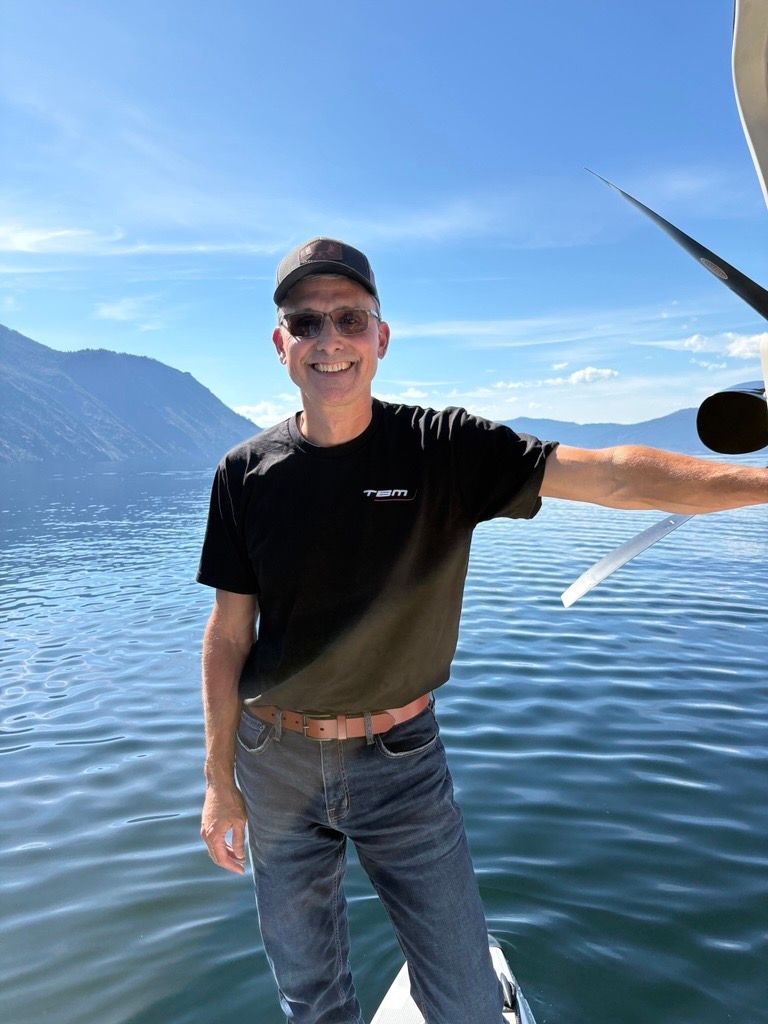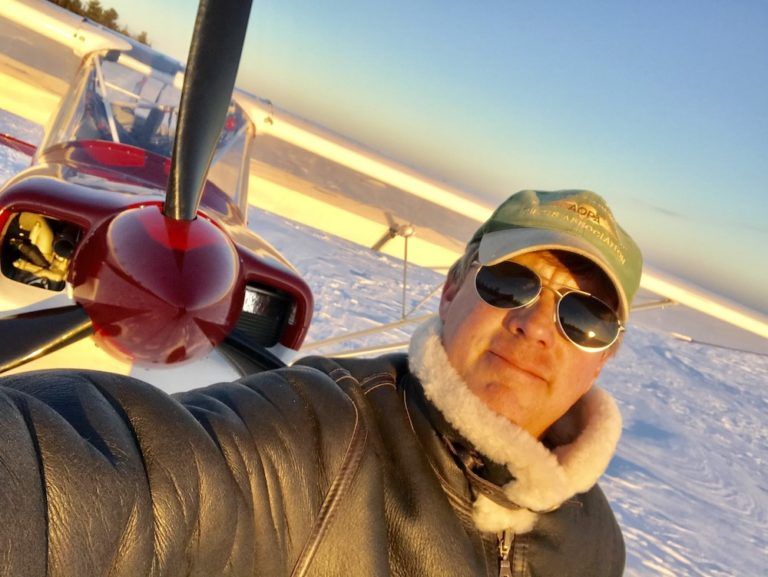
ROB AHO

Ever since attaining his tailwheel endorsement “at the turn of the century” in Helena, Montana in a club Citabria, Rob Aho says he has been hooked on backcountry flight. He has flown many sorties into and near the Bob Marshall Wilderness with the express purpose of camping and fly fishing. As an environmental remediation engineer working on abandoned Montana mine cleanups, he was able to spend time in the air in Big Sky Country.


Rob later returned home to Michigan, taking a job in the Upper Peninsula – fondly called the Yoop – where his family has deep Finnish roots. He engaged in remediation work in the Copper Country of the UP as an engineer responsible for a $15 million Superfund project to stabilize mine tailings from a historic ore stamp mill operation. He then took on responsibility for assorted stream reconstruction projects in the Copper Country. 
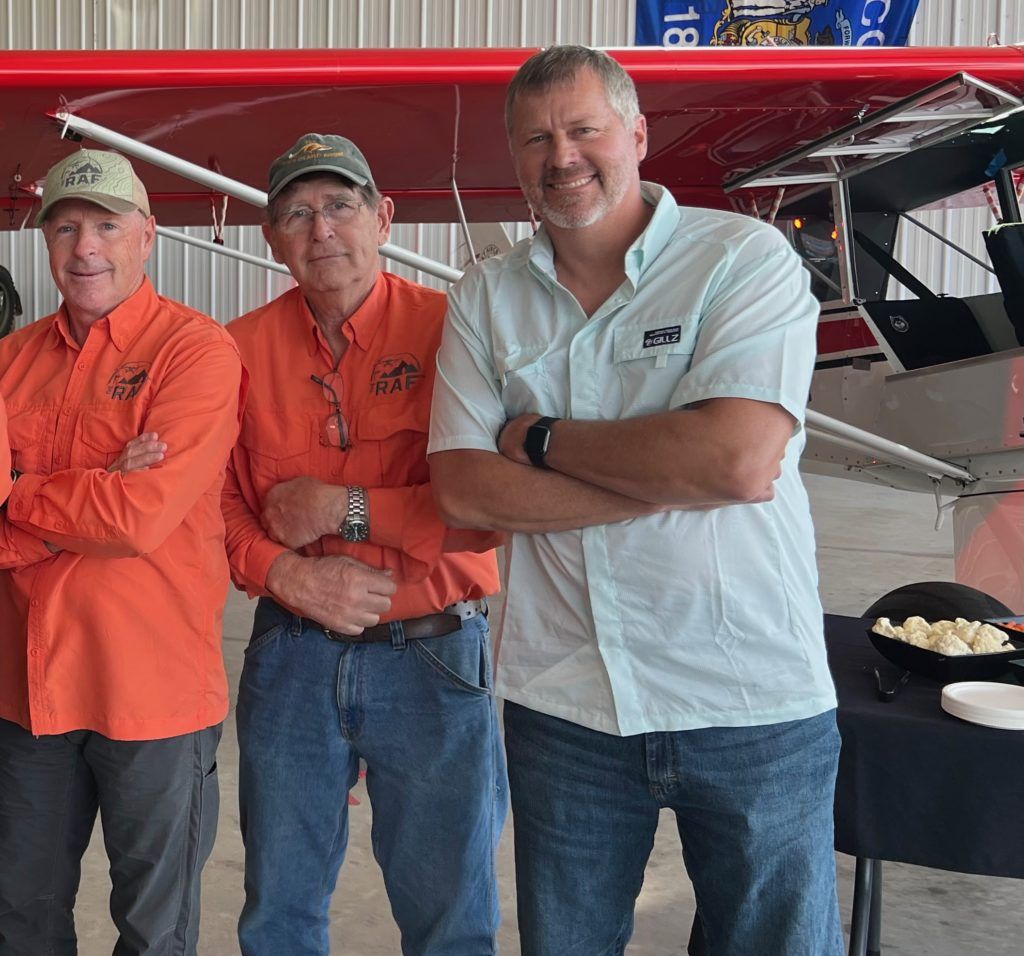
Flying opportunity was limited and kids began to arrive, so he embarked on constructing his own taildragger with handling characteristics similar to the Citabria.  


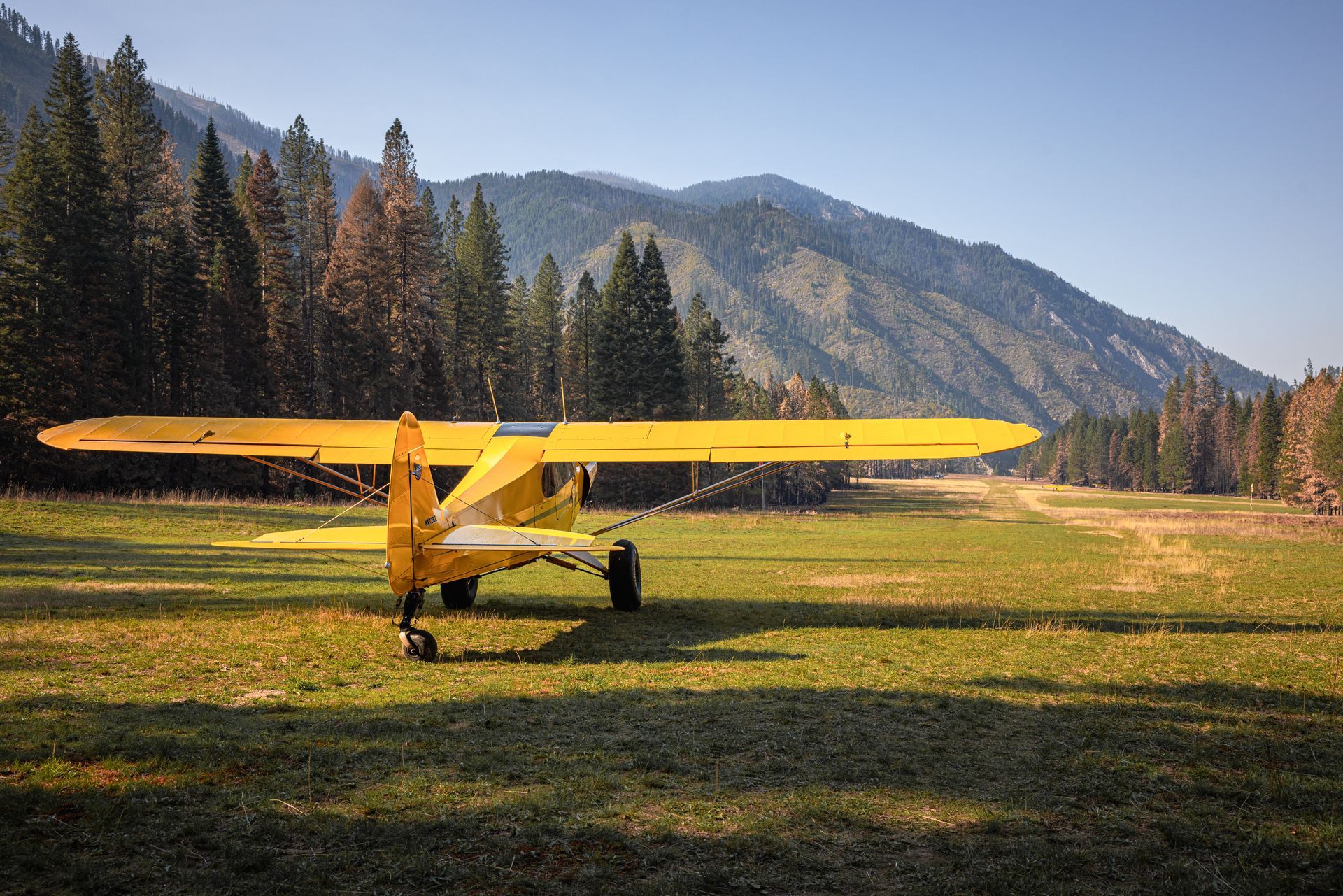
“In 2011, I took flight in my Rans S-7S Courier, and it wasn’t long before I outfitted the plane with Bushwheels, skis and other Alaska mods,” he says. It was during this time that he became an RAF supporter. Ever since, he has flown each of his three kids into North Fox Island and Two-Hearted airfields, in addition to countless local frozen lakes and beaches. 

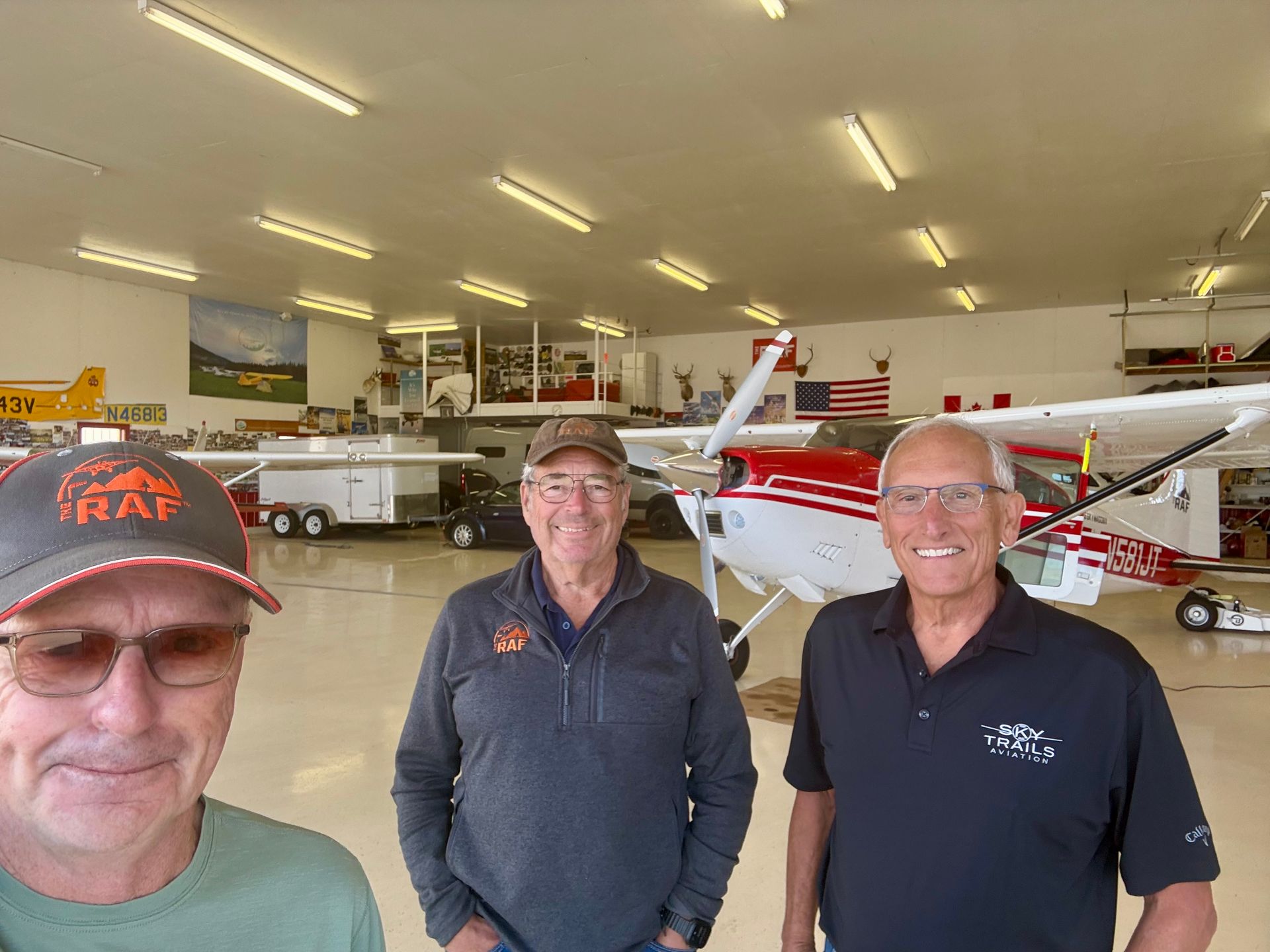
His plane is based on a grass airstrip and hangar that he designed and built near his residence. He joins Michigan Liaison General Grant and Ambassadors John Riordan and Brad Frederick, former Liaison. “As an RAF Michigan Liaison, I hope to further improve and expand flight access into the Yoop backcountry,” he says.


Contact Rob at raho@theraf.org


906-370-2135

Submitted on December 22, 2023.


    Recent Posts

June 23, 2026
RAF New Hampshire Liaison John Meade coordinated a work party over the June 13-14 weekend at Hawthorne-Feather Airpark, 8B1. The paved 3,260-ft runway lies in a forested valley three miles south of Hillsborough, New Hampshire. Additionally, there is a 2,000 foot adjoining turf landing area to the East of the paved runway. The airpark is privately owned, but is open to the public, and camping is allowed. A group of 11 volunteers showed up to help, including RAF Director Bill Brine. The group helped open up five campsites on the southern end of the airfield, installed a commemorative flagpole, and weed-whacked along drainage ditches and a walking trail. “With volunteers from six different states and great weather, this was a special day, with plenty accomplished,” Meade said. Submitted June 23, 2026
June 18, 2026
Our many RAF supporters have such vast and varied experience, and we’re capturing some of their words of wisdom to share with you. This guest editorial is by Neil Mortine, a marketing and relations executive, RAF Supporter, and husband of RAF Ohio Liaison Christine Mortine.
June 17, 2026
Taylor Flat Airstrip, just a stone’s throw from the wild and scenic Green River as it carves through spectacular Utah canyons, is officially reopened. Thanks to a cooperative effort between the RAF and Utah Back Country Pilots (UBCP), Taylor Flat Airstrip, TF9, is one more recreational destination pilots can once again enjoy as the RAF works on Expanding The Map ! In 2023, dialog was initiated with the BLM to reopen the airstrip. Daggett County got involved, and RAF Utah Liaison Wendy Lessig navigated the required NEPA process. Lessig was instrumental in preparing a right of way (ROW) lease agreement application, coordinating between Daggett County, the BLM, and other stakeholders, and gathering information to assist the BLM throughout the required Environmental Assessment. “Thanks to Wendy taking action as the RAF Liaison, and her professional persistence following through the lengthy public review process, Taylor Flat Airstrip will reopen as another unique backcountry destination," RAF President Bill McGlynn said. The RAF and UBCP teamed up May 9 to revitalize the airstrip, which had lain dormant for thirty years. “The work party was a resounding success,” Lessig reports. ”We are grateful for the twenty-five volunteers who hand-picked rocks from the airstrip, and used them to mark the runway corners and threshold. “
June 16, 2026
Starting this month, we’re sharing messages from our RAF Safety, Education and Etiquette “SEE” committee. We hope you like the way we present these stories, and most importantly, we hope you’re one of those folks willing to sit around the campfire and help your friends become better at this thing we call backcountry aviation. We all see things that might not end well. We don’t intend to call anyone out for what might already be a bad day in someone’s flying life. In the interest of safety, we’re inviting you to be part of the culture starting with, “see something, say something.” The hard part might be how to politely deliver that message, and even more important, how to react if we are on the receiving end of someone’s comment. It takes maturity to accept input, especially at one of those moments when maybe we realize things could have just gotten much worse for us. I know I’ve been in “that place” when some thoughtful input about my flying or behavior has been offered. Part of flying is to always strive to be better; and when we aren’t at our best, try to own our shortcomings, learn from them, and move forward. I think about this often. I worry that if we don’t work at getting this part right, at best we risk losing access due to bad practices or behavior; and at worst we risk people getting hurt or worse. It’s that last piece that keeps me up at night. Of all the joys that doing this work brings us at the RAF, the risk of people getting hurt is what I think about the most. Safety, education, and etiquette are tied. Getting these right means the best outcome. So, get out there this summer. Get some grass stains on your wheels, get some bugs on your windscreen, get better at your craft of flying the airplane, meet some new people, and for sure start to create those special friendships that begin around a campfire under a starlit night. - John McKenna, RAF Chairman Submitted June 16, 2026
June 15, 2026
By RAF Director Bill Brine and the RAF's Safety, Education, and Etiquette Committee. Too many backcountry accidents happen on the third approach. After two unsuccessful attempts at landing, the pilot is tired, anxious, behind the airplane, and making decisions with a brain that has been running down since the first go-around. The airstrip hasn’t gotten easier. Third time’s NOT a charm. What’s driving this is cultural. Baseball is “three strikes, you’re out.” Could this thinking have joined us in the cockpit? We aren’t playing baseball out here. The backcountry does not give you that third strike. It gives you consequences. Our RAF Code of Conduct calls on each of us to establish personal minimums based on sound aeronautical decision-making — before we need them. Decide your limits at the kitchen table. Write it down. Brief your passengers. Commit to it before you start the engine. That’s when the rule does its job and leads to that hoped-for experience you set out on. Here is one worth considering: two attempts, fly away, head somewhere else . Not because your mission failed, but because you made a sound decision. Flying away is not defeat. Head to your alternate. Land, shut down, and let everyone decompress. Unload gear, leave passengers, go back solo, or call it a day. Those are good outcomes. Submitted June 15, 2026 Photo Credit: Scott Newpower