SAFETY EDITORIALS ARCHIVE
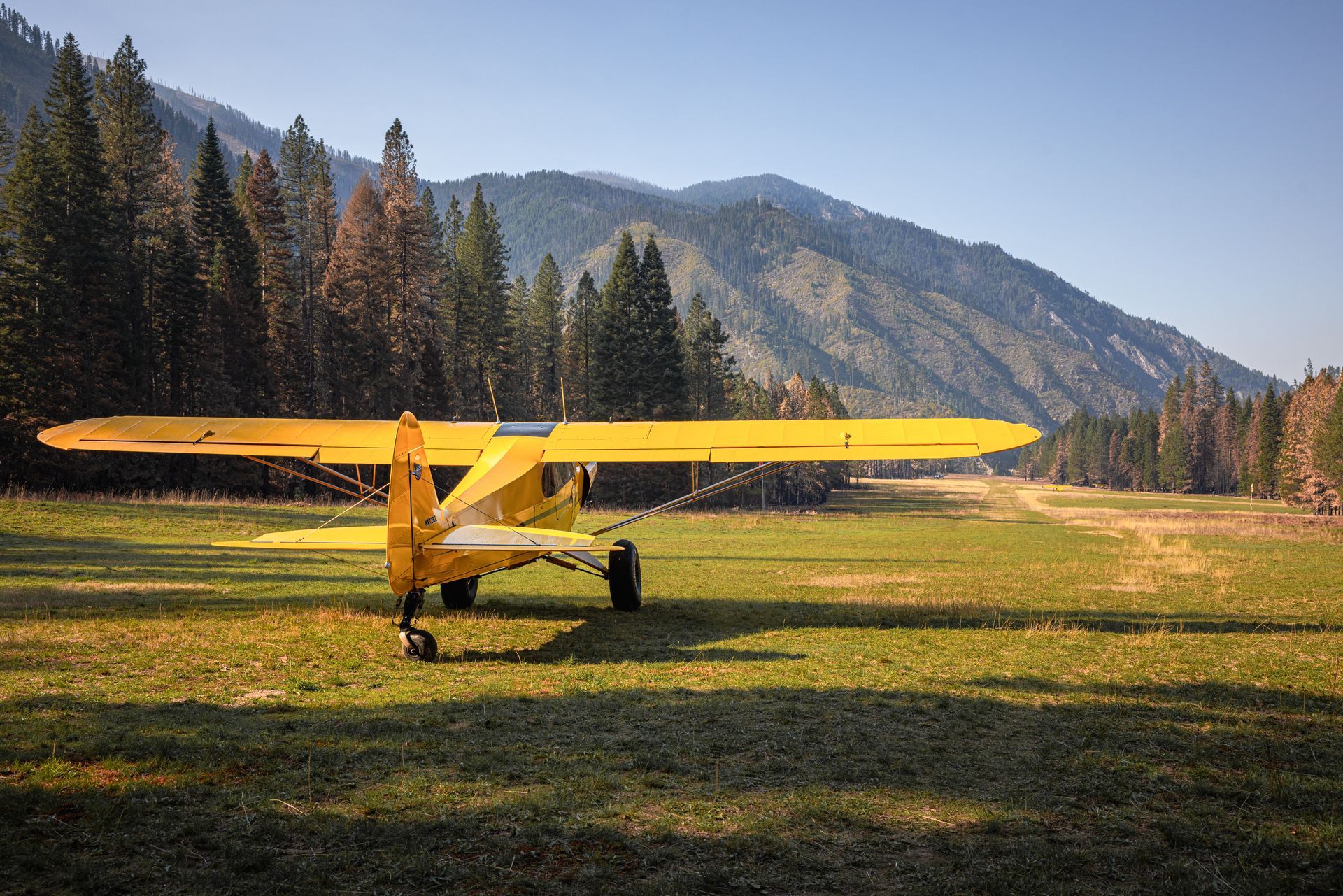
You know the feeling. You set the airplane down somewhere spectacular, shut off the engine, and enjoy the pristine landscape in front of you. This is why you fly. Keeping airstrips pristine is everyone's responsibility. But one item that doesn’t always make it into the airplane is a good trash bag. Not for the trash you planned to make. For the trash you didn’t. Cans left in a fire ring, fishing line along the river, or food wrappers working their way through the brush. None of it came in your airplane, but you have the ability to get it out. That’s reason enough to tuck a couple of heavy-duty contractor bags in with your tie-down gear. They earn their space in other ways, too. A contractor bag can keep wet or muddy gear out of the baggage compartment, cover equipment in a downpour, collect rainwater, or become an emergency poncho or windbreak. It weighs almost nothing and takes up very little room. Throw a few in the airplane and leave them there. You may not need one for your own trash, but there is a good chance you’ll find another use for it—or find something worth carrying out. Submitted September 9, 2026 By Stef Goza, Etiquette Chair, Safety, Education, and Etiquette Committee
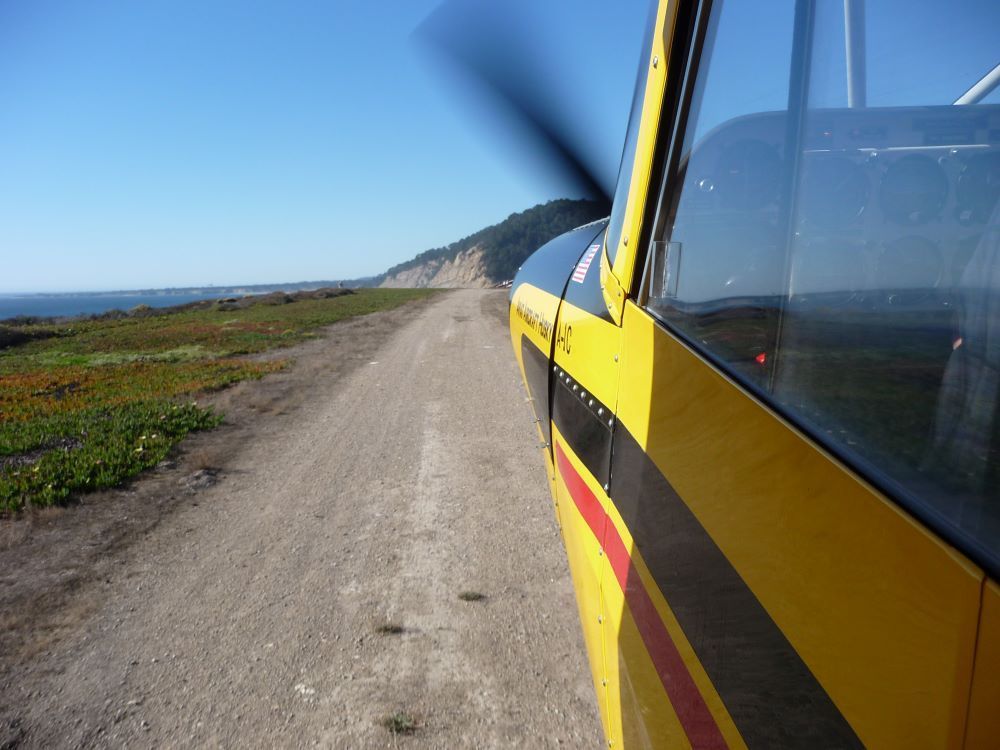
As a career pilot, Thread and Error Management (TEM) has been ingrained in how I fly. I’ve become convinced that Threat and Error Management matters more in backcountry flying than just about anywhere else. Not because the principles are different but because the timeline for decisions is. In “normal flying,” a poor decision often gives you time to recognize it, correct it, and move on. In the backcountry, the chain gets compressed. Threats are closer, mistakes can compound quickly, and options disappear in a hurry. By the time you realize you're behind the airplane, there may not be enough runway, climb performance, or room to recover. That's why TEM isn't about avoiding mistakes. It's about breaking the chain before the situation starts making decisions for you. Most of the threats are familiar. Density altitude. Winds that don't behave as forecast. Narrow strips, rising terrain, soft surfaces, visual illusions, and airplanes that perform a little differently than they did last time. Add a little fatigue, a little confidence from yesterday's success, or an eager passenger, and the margins start shrinking. The interesting part is that accidents rarely begin with one big mistake. They usually begin with a series of small decisions that seem reasonable at the time. "The tailwind isn't that bad." "We'll climb out fine." "The approach will come together." In the aftermath of a near accident or a survived accident, we’ve heard all of these testimonials…sometimes from the voice in our own headset. The best backcountry pilots I've flown with all seem to have one thing in common. They're willing to change the plan early. They don't wait for proof that something is wrong. If the approach isn't shaping up, they leave. If the takeoff isn't developing as expected, they abort. If the conditions don't match what they planned for, they wait or go somewhere else. That's TEM in its simplest form: anticipate the threats, recognize when reality no longer matches the plan, and act while you still have options. One thought has stayed with me over the years: backcountry accidents rarely begin with bold decisions…they begin with delayed decisions. The RAF Safety, Education, and Etiquette team is looking at practical ways to apply TEM in the backcountry, including personal decision gates, arrival and departure briefs, and recognizing the traps that catch even experienced pilots. Let us know by sharing your own tips and ideas in “Comments” below. Until then, ask yourself one question before every approach and every takeoff: If this doesn't work exactly as planned, what's my next move? If you have a good answer, you're probably ahead of the airplane. Submitted August 8, 2026 By Robert Miller, RAF West Virginia Liaison & Safety, Education, and Etiquette Committee member
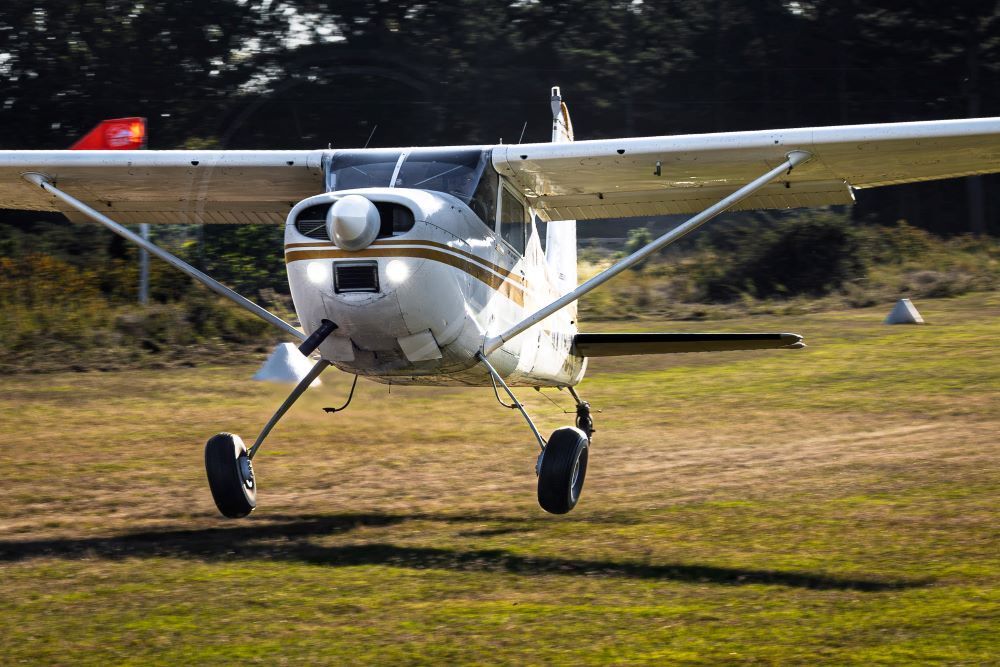
By Matt Foster - Safety, Education, and Etiquette Committee Chair Your backcountry adventure likely involves a heavily loaded airplane, a short strip, challenging terrain, and limited options. Your practice should reflect those realities – at your home airport. Weave exercises into your normal flying, and consider bringing someone along to observe and keep you honest. Make your normal operations backcountry-ready operations. Seek out an instructor with backcountry experience or challenge your local instructor to learn about your upcoming mission and play a role in your preparation. Load the airplane as you expect to fly it. Bring the camping gear, survival equipment, and ballast that simulates your expected weight and center of gravity. You’ll learn more about how the airplane performs when it's configured for the mission…not when it's empty and light. Make all your landings “spot” landings (remember: your “worst” landing is your standard). Know your performance for takeoff distance and power settings. Learn to lean for density altitude. Practice these calculations for your aircraft. Fly non-standard patterns where airports allow. Practice go-arounds with varying flap settings. Practice slow flight and canyon turns. You can do many of these on every local mission with only a little more thought and purpose…and it can be fun and rewarding. Visualize the adventure, and practice before you launch your adventure. The backcountry is no place to discover your limitations. Submitted July 14, 2026 Photo Credit: Bill Brine
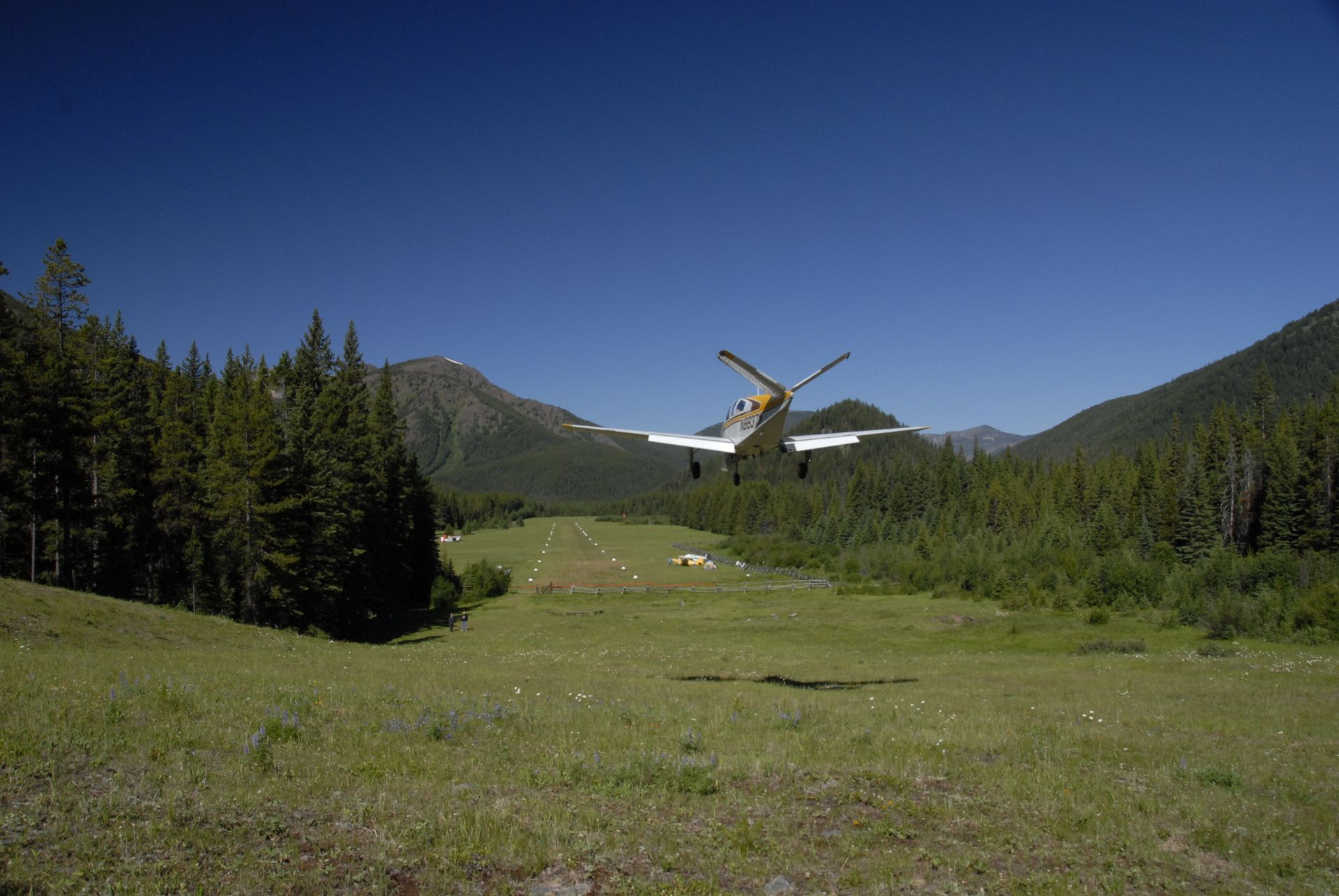
By RAF Director Bill Brine and the RAF's Safety, Education, and Etiquette Committee. Too many backcountry accidents happen on the third approach. After two unsuccessful attempts at landing, the pilot is tired, anxious, behind the airplane, and making decisions with a brain that has been running down since the first go-around. The airstrip hasn’t gotten easier. Third time’s NOT a charm. What’s driving this is cultural. Baseball is “three strikes, you’re out.” Could this thinking have joined us in the cockpit? We aren’t playing baseball out here. The backcountry does not give you that third strike. It gives you consequences. Our RAF Code of Conduct calls on each of us to establish personal minimums based on sound aeronautical decision-making — before we need them. Decide your limits at the kitchen table. Write it down. Brief your passengers. Commit to it before you start the engine. That’s when the rule does its job and leads to that hoped-for experience you set out on. Here is one worth considering: two attempts, fly away, head somewhere else . Not because your mission failed, but because you made a sound decision. Flying away is not defeat. Head to your alternate. Land, shut down, and let everyone decompress. Unload gear, leave passengers, go back solo, or call it a day. Those are good outcomes. Submitted June 15, 2026 Photo Credit: Scott Newpower