The Recreational Aviation Foundation preserves, improves, and creates airstrips for recreational access.

Donate Today

HOW DO I JOIN?

The RAF is a 501(c)(3) non-profit organization, however, we are not a membership organization. We rely solely on donations to fulfill the RAF mission. To become an RAF supporter, click the Join Now button or click the Donate button in the website menu. To become a volunteer, click the Volunteer button to learn about volunteer opportunities.


Welcome to the RECREATIONAL AVIATION FOUNDATION

The Recreational Aviation Foundation (RAF) was founded by a group of Montana pilots who realized that the threat of recreational airstrip closure was of national concern. They also recognized that there was the need for a unified effort by pilots everywhere to protect public recreational opportunities. The RAF is dedicated to preserving existing airstrips and creating new public-use recreational airstrips throughout the United States.


Event Calendar

GET TO KNOW US


The RAF Way

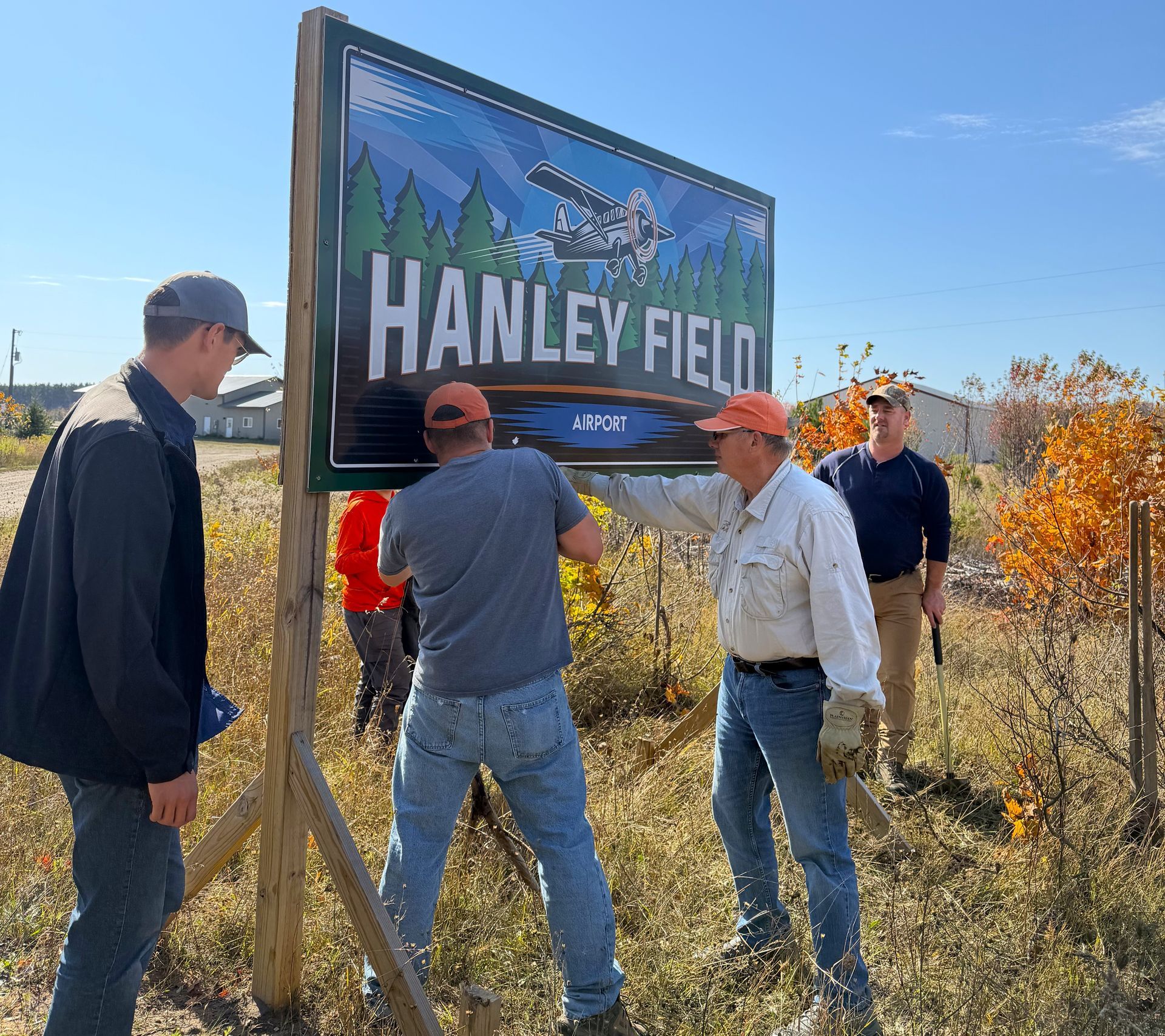
Ryan Barn, MT

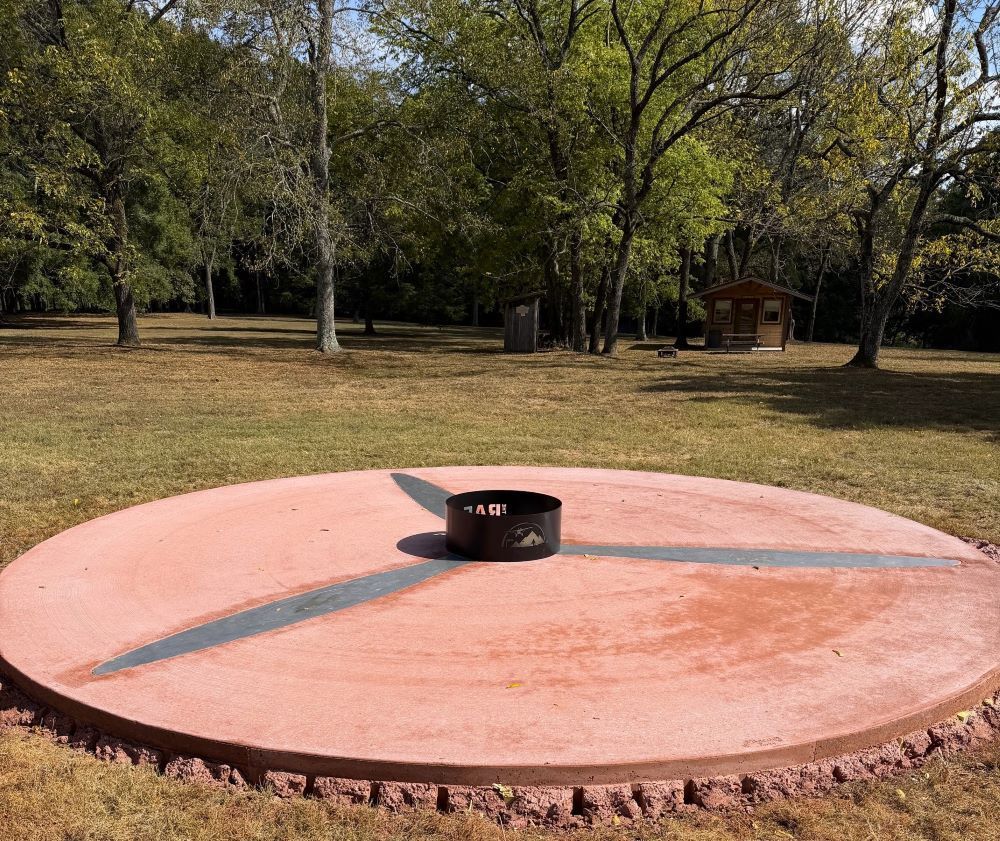
Trigger Gap, AR

The RAF implements its mission through these Guiding Principles:

➢ We believe that aviation is a valid form of accessing recreational resources on public and private lands.


➢ We believe in collaboration with both public and private entities to arrive at solutions that provide benefit to all parties.


➢ We value the relationships of all stakeholders – both public and private – and commit to fostering relationships based upon integrity and transparency.


➢ We believe that creation of new recreational airstrips will encourage the general aviation community to get out and recreate as well as provide more dispersed recreational opportunities.


➢ We prioritize safety - from pre-flight planning to the experiences on the ground where our planes have taken us - and consider it a lifetime commitment, rather than an isolated event.

DID YOU HEAR? RAF supporters will receive a $1,000 discount on the purchase of Hartzell Propeller's Voyager, Pathfinder, Explorer, and Trailblazer propellers through 2026. Read the Press Release!

Latest News
February 12, 2026
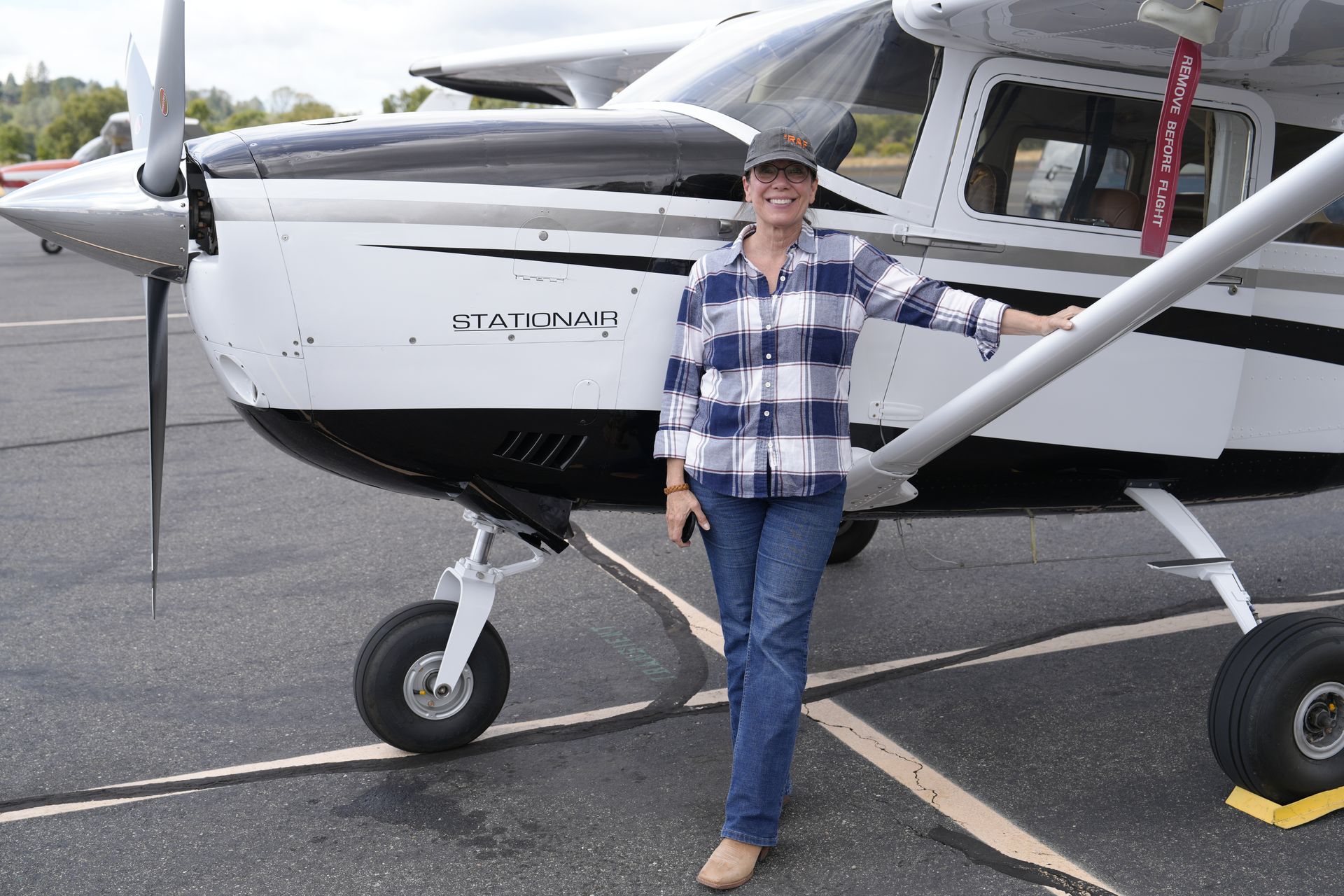
Bruce Latvala was selected to step up from his role as RAF Ambassador to a seat on the RAF Board of Directors. The opening of Trigger Gap (17A) in northwest Arkansas exposed him to the RAF. Since 2018, he has volunteered as a Kansas Ambassador and enjoyed traveling the country to many RAF-supported airstrips, and helping at work parties. Professionally, Bruce is a Production Test Pilot for Cessna Citation aircraft. He holds multiple type ratings and instructor certifications. His previous professional roles include design engineering and engineering flight test. “Starting my career at Cessna in June of 2008, the 2009 downturn was a mere one year away,” Bruce says. “The silver lining was that a good friend and former coworker moved to Idaho, and he introduced me to backcountry flying.” Their first stop was Moose Creek (1U1). Since then, Bruce says he was hooked and has enjoyed multiple trips flying the northwest United States. RAF President Bill McGlynn said, “We are fortunate to have Bruce allocate time out of his busy life to help us champion the RAF mission. He brings some important analytical skills to the board while also being a great guy and a strong supporter. It will be a pleasure working with Bruce.” Outside of aviation, Bruce enjoys cycling, hiking, kayaking, and rock climbing. He lives in Wichita with his wife, Nicole. Submitted February 12, 2025
February 11, 2026
RAF Arkansas Liaison Harper Goodwin has been awarded an RAF grant to improve Trigger Gap airfield in the Ozark Mountains of Arkansas. Goodwin, Arkansas Liaison Dave Powell and other volunteers recently met at the field to start thinning trees and underbrush along the 3,000 ft turf runway. While the work party was successful, it was apparent that much more needed to be done. “The RAF funds the routine mowing of the runway and camping area, but this expanded effort will remove undesirable trees out to one hundred feet of the runway and camping areas,” Goodwin said. This year marks the tenth anniversary of the airfield, and during this time, the perimeter area has been kept under control using a large batwing mower by the farmer who runs cattle nearby, but Goodwin explained that he can no longer continue maintaining the area.  Goodwin and Ambassador Jake Hampton volunteered time to define the area, mark trees, and get bids on the project that will remove and mulch encroaching trees, brush, and briars. “By removing the unwanted trees and underbrush now and allowing a few select trees to grow to maturity, this airfield and mountain top will truly present a park-like setting and unlimited views,” Goodwin said. He anticipates a three-day project with a land management company handling the bulk of the work. The brush and trees, many having vicious thorns, will be mulched by a Fecon machine. He wishes to address it soon before it becomes a larger, more costly challenge, and has committed to being on site to oversee the work. The contractor selected for the job is "very enthusiastic about the project, the airfield, and our mission,” Goodwin added. This newly cleared perimeter will need to be maintained on an annual basis, and Adam Jones, Director of FLY OZ, will be providing a large batwing mower twice a year, which will be operated by volunteers. For information on Trigger Gap, see the Airfield Guide . Submitted February 11, 2026
By Carmine Mowbray February 11, 2026
Recreational pilots have a very special place to visit thanks to some dedicated Michigan pilots including Don Seelye. These folks understood the recreational value of North Fox Island in Lake Michigan, just 27 nm from Charlevoix. “We used to fly out there regularly with our family and friends and do some maintenance,” Don says. “It was privately owned, and our pay was the use of the island. We were able to enjoy the Tom Sawyer thing,” he says. Don was raised near Flint, MI. His father was an automotive engineer. Don left college and the restraint of a desk, preferring the outdoors and doing his own engineering, which led to a successful career manufacturing electronic controls for environmental research. His clients included JPL and Generac. His company patented a special controller. “We were told it was the first controller to survive the Antarctic winter.” Don never visited the frozen continent, preferring to explore Lake Michigan for shipwrecks. He bought a Cessna 120 and learned to fly. He’d fly over the lake, spotting telltale indications of something salvageable beneath the surface for his partner, who made furniture from legally salvaged wood. They would take their tugboat over the site and dive to the wreck. The best find, Don explains, was a three-masted schooner that had sunk over a hundred years before. It yielded beautifully preserved white oak. For vacations, Don would fly with his wife Carol and three small kids in the two-seat Cessna. “Once we flew to Mackinac Island. I signed in as ‘C-120 with five onboard’. I kinda expected an official phone call, but it never came,” he mused. Now, Don and his wife love flying the Lake Amphibian they bought in 1971. It has taken them over a good chunk of North America, from Key West to near Hudson Bay, he says, “We like to find remote lakes and camp. We find a somewhat sandy shoreline to beach the plane; maybe catch a big walleye.” In 2009, Don saw an RAF story in a flying magazine and called John McKenna, asking to get involved. “The McKennas came to Michigan and met us that July, and we met with Michigan Aeronautics. More RAF volunteers came in and joined us for local meetings with the DNR in Lansing. We finally pushed and pushed and got North Fox open,” he says.
View More

Volunteer for the RAF

Did you know…the Recreational Aviation Foundation (RAF) achieves its mission almost entirely through the efforts of volunteers?

It's why you learned to fly

Aviators are hungry for new places to go, where new and memorable adventures await.

Get Involved