FEATURED SUPPORTERS
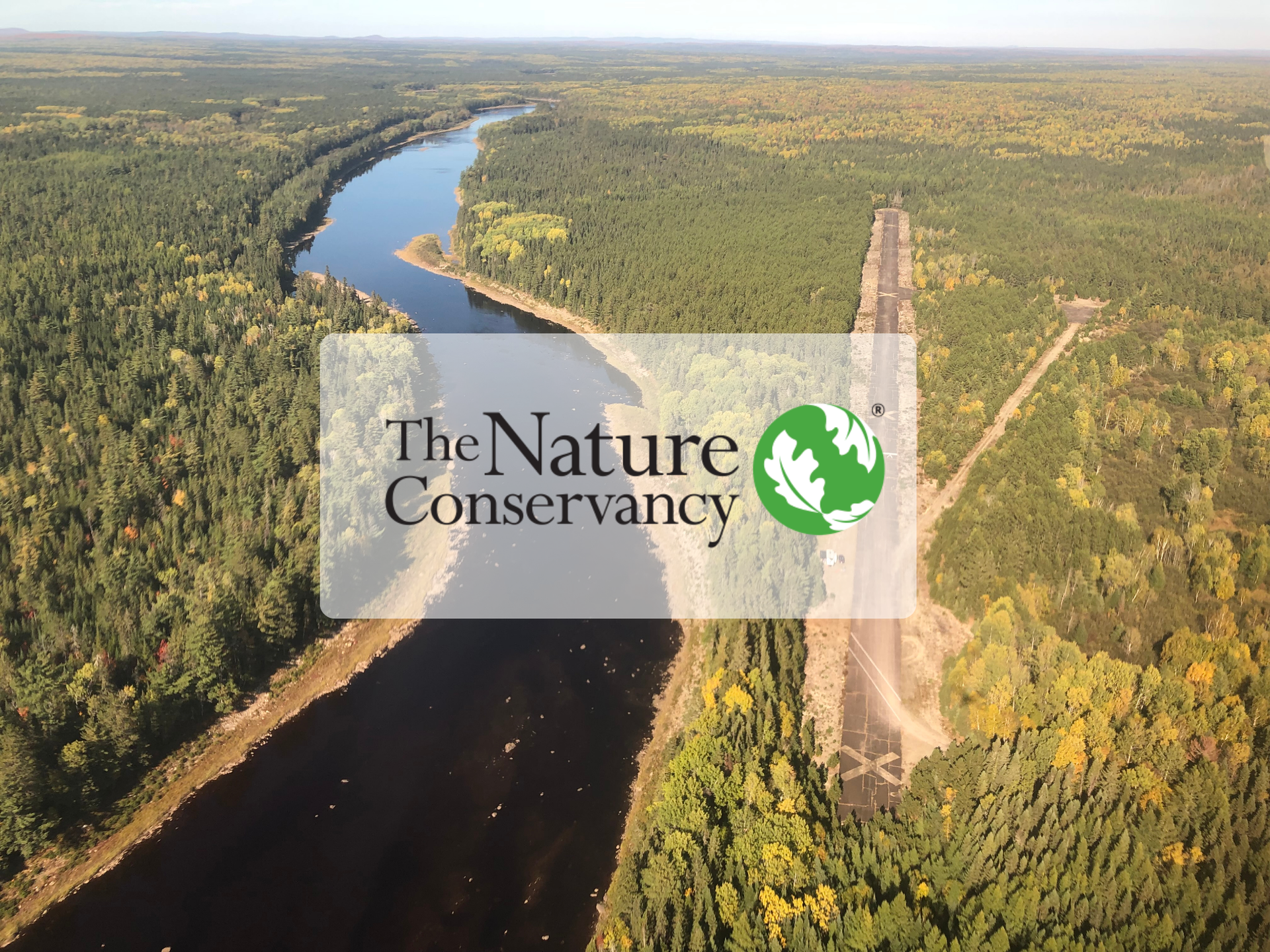
Good friendships happen over time, and the RAF loves making good friends. Beginning in 2009, John Nadeau of Massachusetts – the first RAF State Liaison east of the Rockies – approached The Nature Conservancy in Maine about restoring and reopening Red Pine Grove, a remote paved airfield on land along the St. John River just a dozen miles from Quebec. Pointing out our common goals of good land stewardship, he wondered if TNC would consider partnering on the idea. RAF Maine Liaisons Andy Rowe and Steve Mason joined the conversation. Andy had good friends in the region, and Steve, a long-time Northern Maine bush pilot and logger, added professional credentials. Pilot and new TNC Trustee John Sowles joined as well and widened the friendship circle. Not long after, Arkansas Liaisons Dave Powell and Harper Goodwin identified a pristine hilltop meadow above the Kings River in northwest Arkansas on land owned by The Nature Conservancy, locally known as Trigger Gap. Encouraged by the friendship beginning up North, the two RAF Liaisons engaged TNC in conversation about partnering on building an airfield, with its far lighter environmental footprint than a road. “What was merely raw land and a vision by some determined backcountry pilots became a common goal of both organizations,” Harper says. Thanks to this successful partnership with TNC, volunteers from the RAF and Fly Oz built a new turf airfield, pavilion, and toilet at Trigger Gap, and announced its opening in October, 2016. “Our partnership with the Recreational Aviation Foundation has always been built on trust, stewardship and a shared love for the outdoors,” says Roger Mangham, State Director of TNC in Arkansas. “Trigger Gap gives people a way to experience the Kings River landscape while demonstrating what we know in Arkansas to be true, that conservation and recreation can go hand in hand.” The airstrip's visitor log has proven that many folks enjoy landing lightly on the land and pitching their tents. Evening brings fellowship together around the fire in the pavilion. Often, acoustic music spreads to the surrounding forest. Things were still happening back up in Maine. Nadeau says, “We stressed the RAF culture and our desire to enhance the Red Pine facility to the benefit of all users. I pointed out to their Boston attorney that statutes protect TNC. It helped that we spoke with the same accent.” In spring of 2021, TNC signed an agreement with the RAF to open and maintain the runway. “TNC recognized that remote Red Pine Grove was a wonderful, already built resource that was easily accessible by small aircraft to provide just the sort of outdoor recreation The Nature Conservancy favored and promoted,” Nadeau added. Common purpose binds friendships, and friendships build trust. These two examples of trust and friendship prove a mutual commitment to good land stewardship, and the idea that nature and people can thrive together. Submitted October 13, 2026 By Carmine Mowbray
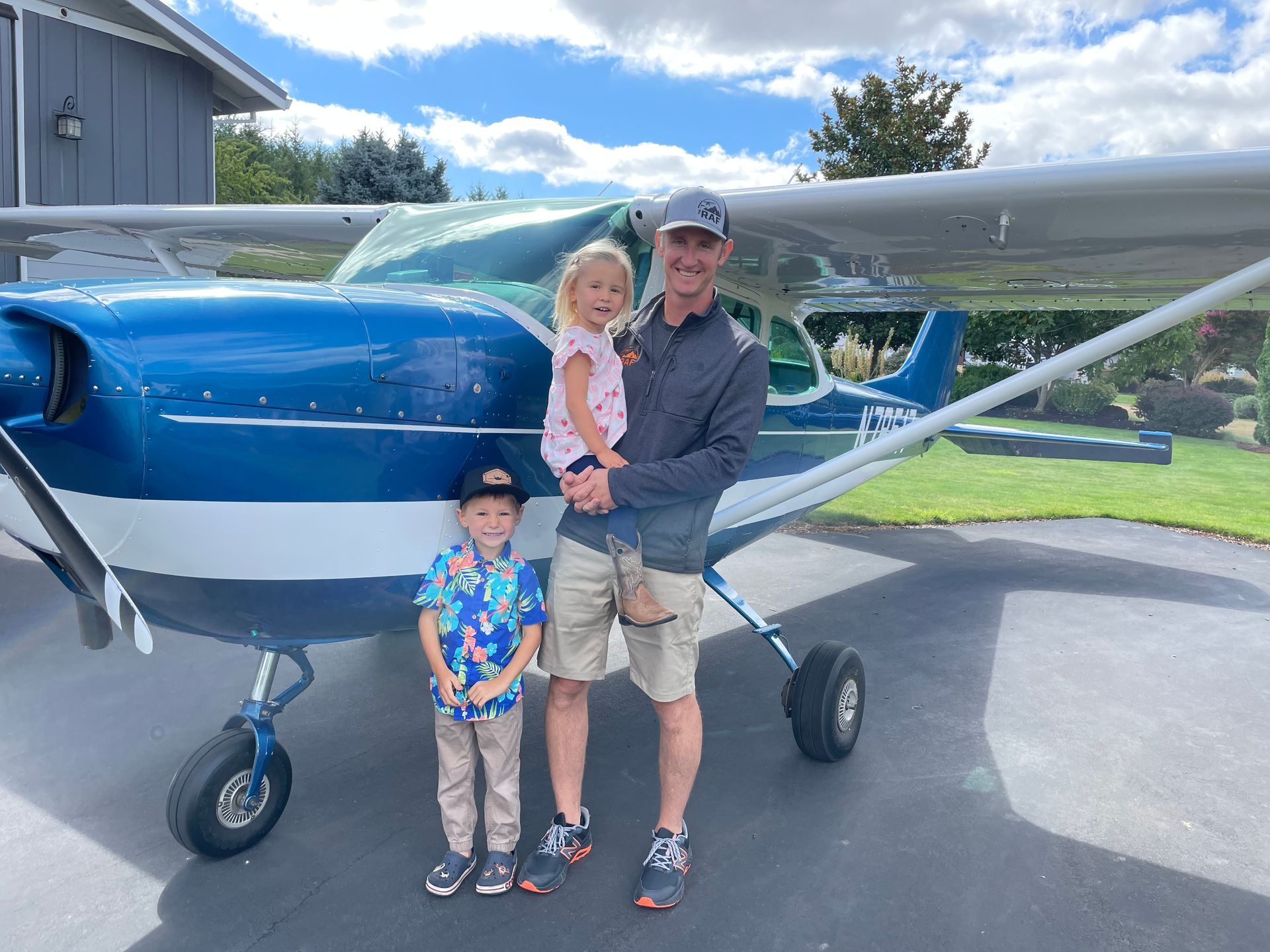
When pilot Eric Johnson of Canby, Oregon steps up to help on RAF projects, he says he’s motivated to preserve these opportunities now and for future generations. Eric is a third-generation pilot himself, and he and his wife Elle have three children, all under age five as of this writing. Eric says, “Jett, the oldest, is obsessed with airplanes,” and Grandpa Kevin Johnson treats Jett to donuts at the local FBO on Fridays so they can watch airplanes. Kevin Johnson’s name should be familiar to readers, since he is an RAF Oregon Ambassador and has supported the RAF all over the West. He has designed, delivered, and assembled a number of camping structures and other amenities at RAF-supported airfields, often assisted by Eric, who loves to contribute his precious spare time on these projects, saying, “Our family values tradition and hard work, which is a big part of what the RAF is. That’s how all the work parties are. Everyone shares the same goal and is happy to be there.” Eric earned his private pilot license in 2012 in the same Cessna 172 that his grandfather and Kevin bought in 1976, and that he now co-owns with Kevin. “We hangar it at the home that we live in, that my grandfather built in 1990,” Eric says. Elle is a private pilot as well, and worked for Columbia Helicopters until becoming a stay-at-home mom. Her father is building an RV4, so “Aviation is on both sides of our family,” Eric says. A licensed General Contractor, Eric has transitioned into property management, helping oversee the family’s 277-space manufactured home park and industrial properties in northwestern Oregon. Eric has made flights into OSH for AirVenture. He says, “The biggest adventure of the 16-hour flight is the last five minutes.” Anyone who has also nosed into that swarm of approaching traffic will probably agree. At Airventure he became acquainted with the RAF at a presentation on backcountry flying. “The mission aligns perfectly with my other outdoor hobbies,” he says. Rafting the Snake River on the Idaho-Oregon line in the Hells Canyon Wilderness, he’s looked up toward the many airstrips near the river. “The only time I’ve seen Moose Creek airstrip is floating and fishing the Selway,” he added. Now he looks forward to landing, pitching his tent, and maybe helping one of his kids tie a line to fish these rivers, perhaps sparking another lifelong passion in the next generation. Submitted September 3, 2026 By Carmine Mowbray
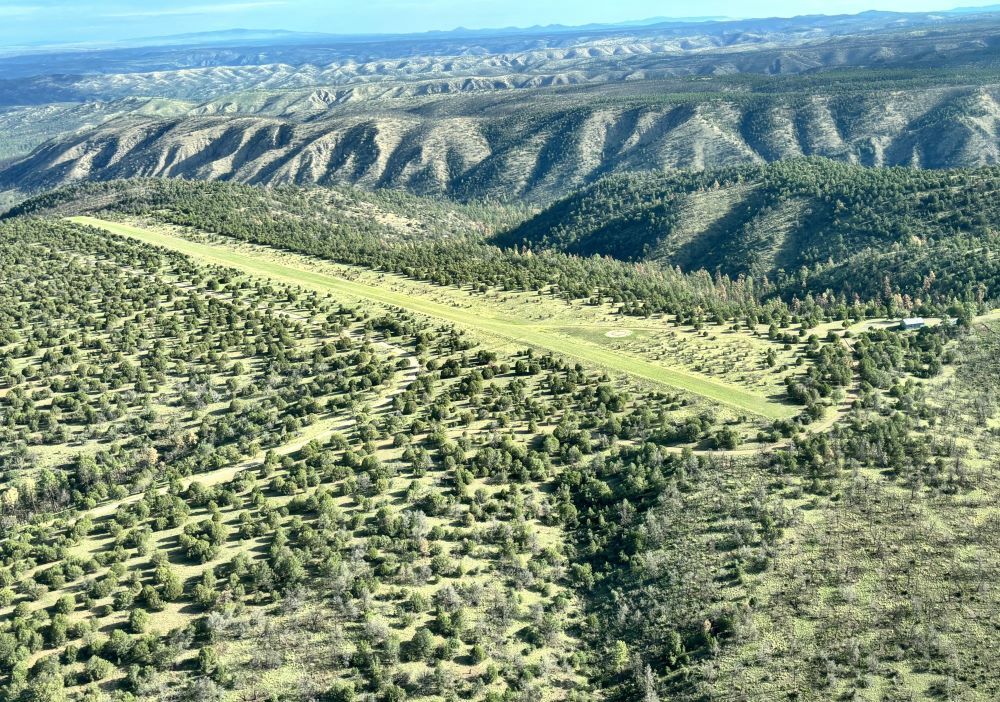
When a few New Mexico backcountry pilots observed the closure of a backcountry airstrip on public land, they understood the need for a goal-focused group to preserve these valuable recreational destinations — places in the high desert where you could land your own GA aircraft, pitch your tent with panoramic views of ponderosa, piñon pine, and Rocky Mountain juniper, and easily hike into the Gila Wilderness area. New Mexico Liaisons Ron Keller and Larry Filener started the New Mexico Backcountry effort in 2009 and the New Mexico Airstrip Network partnership formed in 2014. “With their vision and a bit of organizing, we got a lot accomplished,” New Mexico Pilots Association former President Joyce Woods says. Their work brought about a historic MOU, formalizing “the collaborative partnership of federal and state agencies, aviation groups, landowners, and other stakeholders to preserve, promote, and enhance New Mexico’s growing inventory of recreational airstrips and related airports.” This document was signed at the USFS Regional Headquarters in Albuquerque in 2016. Thanks to these visionaries, access to choice flying destinations is available to pilots, nearly 20 in number. The RAF has provided grants for improvements at several New Mexico airstrips, and has formal agreements with the Gila National Forest to maintain and improve airstrips within the Forest. Additionally, NM Liaison Ron Keller has put in many hours and weekends organizing RAF and New Mexico Pilot volunteers for work parties. Joyce credits Keller as a “real workhorse", mowing the airstrips and leading work parties. Plan your New Mexico flying adventures, and bring your camping gear and hiking shoes. Lining the trails are 1,500 different plant species like the Wright's silktassel, Apache plume, cliff fendlerbush, mountain snowberry, and manzanita. You can access sites with prehistoric rock art. Spring visitors might hear the sweet song of the warbler during its migratory stop in the Gila. Night brings the darkest skies you’ve ever seen, sparkling with the Milky Way. Enjoy the warmth of a campfire as the desert night cools, and thank those wise and determined pilots who worked to preserve these New Mexico gems among the New Mexico Airstrip Network. Find more about these airstrips using these valuable resources: RAF Airfield Guide New Mexico Pilots Association Submitted August 15, 2026 By Carmine Mowbray
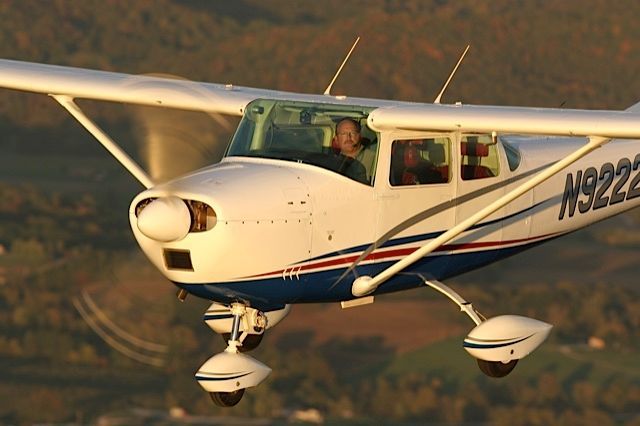
RAF Supporter Chris Erkmann lives in Chesterfield, Missouri – about 20 miles west of St. Louis, midway between the airfields at Trigger Gap, AR and Henderson, IL. He has flown his 1962 Cessna 182 into both places to volunteer at work parties alongside other RAF supporters.
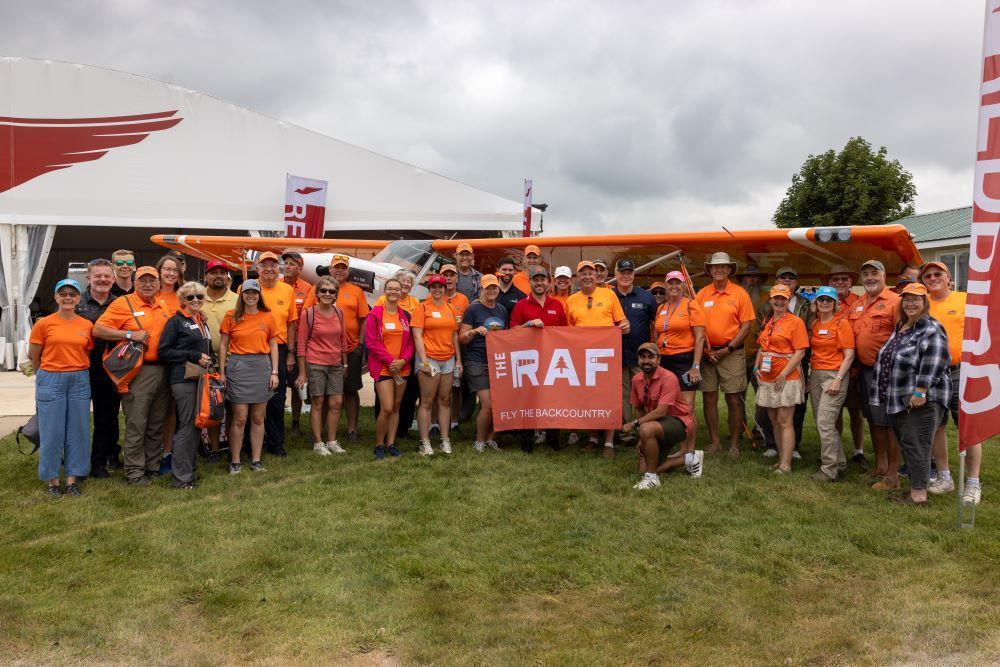
This month, the RAF is featuring our friend Charlie Gregoire, co-founder of innovative Redbird Simulators. Redbird's story is of a few guys who acted on their great idea to make it easier and more affordable for anyone to become a pilot. In 2006, they imagined a flight simulator that made a pilot feel like they were flying a real airplane. “We thought a decaying Cessna Cardinal RG was the perfect prototype,” Charlie said, and “Redbird” was born. “After a few more not-quite-right prototypes, we arrived at our first product, the Redbird FMX.” And driven by the idea to make initial flight training affordable, Redbird FMX is a great primary loggable training platform. Since then, Redbird has delivered over 7,000 aviation training devices to more than 60 countries. From desktop models to full-motion units, “We’re proud of the revolutionary changes our employees and customers are bringing to this industry we are all so passionate about,” Charlie says. Charlie also serves as a member of the special RAF group of volunteers we call the Vy Group. Pilots know that Vy is the “best rate of climb” speed, and these folks help steer the RAF in ways to “gain altitude” efficiently. Redbird and the RAF have partnered on the idea to prepare pilots for the unconventional demands of backcountry flying. Redbird has incorporated backcountry training scenarios, and graciously shares their wide selection of “off pavement” experiences by inviting pilots to try their hand in simulators at aviation events, like AirVenture and Sun ’n Fun. This year we invite you to Redbird’s interactive display at AirVenture, booth 301. While there, enjoy coffee and donuts with the Redbird team and us from 8:30 am to 10:30 am on Tuesday, July 21. Charlie and his team recognize the value of partnerships like ours. He says partnerships are an important part of Redbird’s past and future success. We share a common goal to make GA as safe as possible – wherever, and whatever you choose to fly – and keep it strong with passion, dedication, and commitment. See Redbird’s complete story here . Submitted June 15, 2026 By Carmine Mowbray
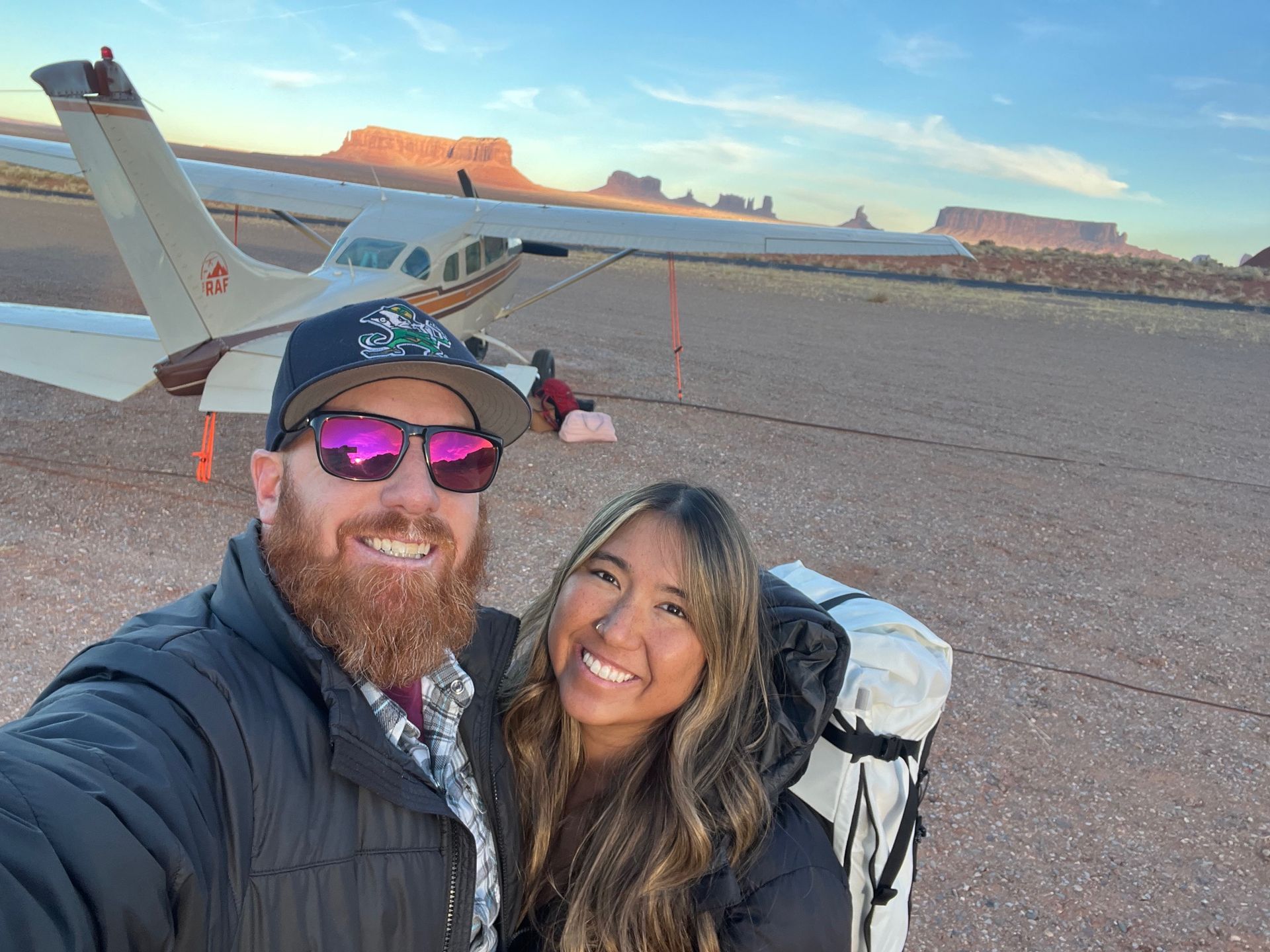
Along with volunteering his time and talents at RAF work projects, RAF supporter Orrin Banks and his family business have left a positive and lasting mark on airstrips across the West through donated windows and glasswork. When you think of a family business, maybe an old-fashioned country store or corner drug comes to mind. Banks Glass in Jamestown, California, is seeing its fourth generation stepping up, and it’s something Orrin Banks is very proud of. “My grandfather started this business in 1961. I have a large family, and many of them live in the area and work at our company,” he says. He and his cousin are third-generation and manage the commercial side of the business. They grew it right out of the original building into bigger quarters. Speaking of Jamestown, he says, “This was the perfect place to grow up on a ranch near the foothills. My cousin and I got into all kinds of trouble on three-wheelers. Now we’re still the best of friends.” Aviation has played a big role in the success of the business. In 1982, Orrin’s grandfather bought a new Cessna TU206 for corporate flights. Orrin’s dad flew it throughout the 90s when he added a Skywagon 180. Using aircraft for business and pleasure, he introduced young Orrin to flying. Orrin got his license and owned a Cherokee 140. He worked for the US Forest Service, and while working in Libby, Montana, he flew into many of the suitable airports in Montana and the Idaho Panhandle. He returned to Jamestown to work in the family business, and has really found his own mission there.
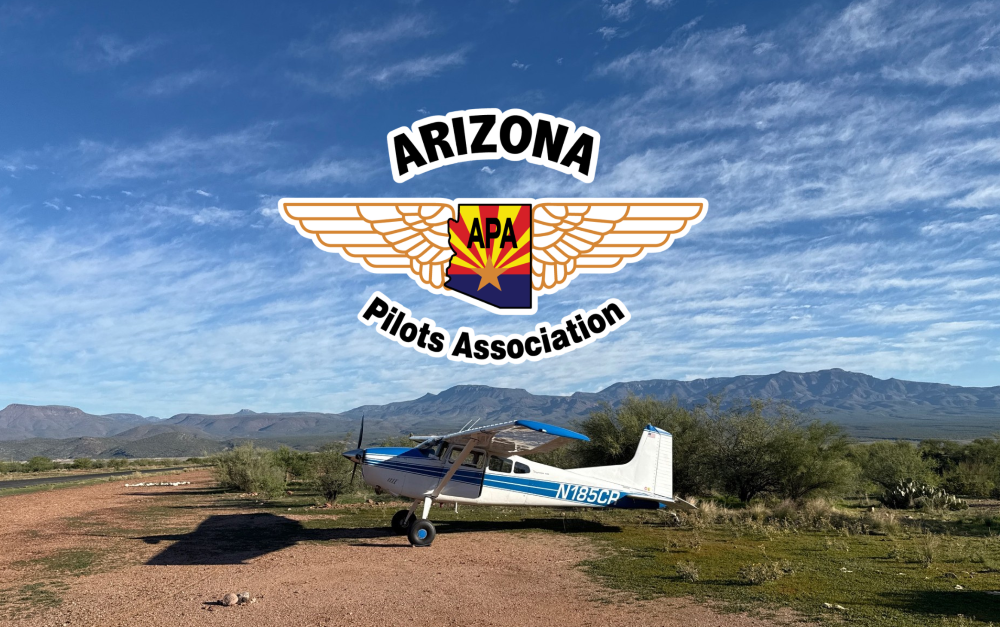
The RAF is proud to call the Arizona Pilots Association an early partner in its mission to preserve, improve, and create airstrips for recreational access. From GA advocacy at Falcon Field, a towered Class-D airport, to picking rocks and chopping brush at remote backcountry airstrips, APA volunteers selflessly work to fulfill their mission of “Promoting, Preserving, Protecting General Aviation in Arizona – Advocating the common interests of Arizona's general aviation community at the local and state level.” Since their founding in 1978, they’ve accomplished this by promoting aviation safety and pilot education, elevating public awareness of GA; preserving, and re-opening Arizona’s backcountry airstrips; broadcasting Arizona aviation news; and connecting Arizona pilots through aviation events. One of the RAF’s first state liaisons was APA then-vice president Mark Spencer. By 2012, Mark emerged as the ideal person to engage the US Forest Service in his vision to upgrade some of Arizona’s under-used and abandoned USFS airstrips. Mark formed a lasting “orange and green” alliance, with many successes to show for the partnership. The restoration of Double Circle Ranch airstrip, rehabilitating Grand Gulch in the Arizona Strip, and repaving and adding visitor amenities to Grapevine near Roosevelt Lake are just a few destinations that have new life and visitation to show for it. APA volunteers contribute labor and resources, and thanks in large part to these early efforts, the RAF executed a Cost Share agreement with the USFS to work on further improvements to airstrips in the Tonto National Forest and the Apache-Sitgreaves National Forest. APA volunteers' ongoing efforts continue to help facilitate airstrip improvements through the RAF's Cost Share agreements in Arizona. APA efforts include attention to all of Arizona’s public-access airports and the wide scope of GA flying. Pilots can find an impressive lineup of resources online, listing local safety seminars and backcountry airstrip safety briefings, maps, and videos. Pilots can win honors through APA’s Passport program – created with help from Embry-Riddle Aeronautical University students – that promotes pilot proficiency. You’ll find an event calendar, listings for scholarships for aspiring students pursuing careers in aviation, and more. Current President Chris Nugent said, "APA has volunteers from all over Arizona and other states who support Arizona aviation in many different ways, including people who have volunteered for decades and continue to participate even after they've stopped flying." Go to arizonapilots.org and tempt yourself with the flying opportunities that APA has fostered throughout the Grand Canyon State. Submitted April 13, 2026 By Carmine Mowbray Photo credit: Matt Haag, Grapevine Airstrip
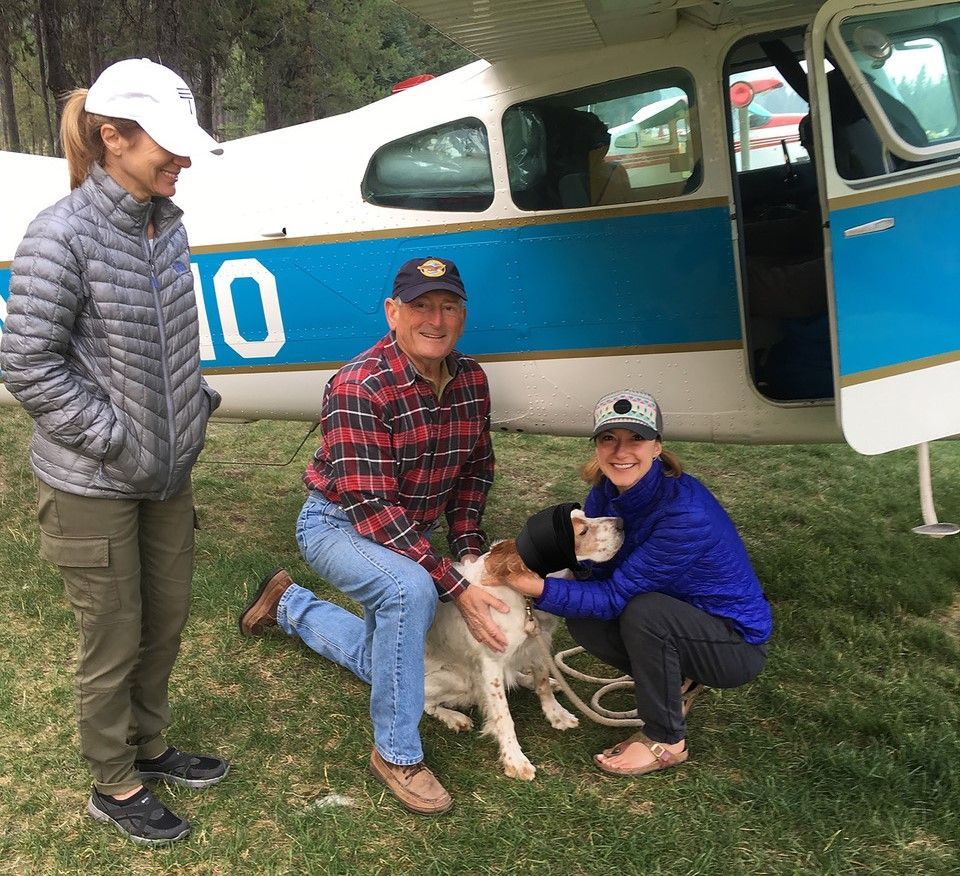
Pamela Cox is a designer. Professionally, she practiced architecture for a boutique firm in Dallas that was known for its roster of award-winning projects like libraries, the Dallas Zoo Veterinary Hospital, the Visitors Center at the Dallas Arboretum, and an array of beautiful private residences. She retired from that architectural firm and continued designing upscale Texas ranch homes. Now Pamela and her husband John live on, and manage the ranch that John’s great aunt and uncle homesteaded in west Texas in 1907. When the current generation expressed no interest in the ranch, John and Pamela bought them out. They run cattle, “and lots of wildlife. John has tamed anything with a heart,” she says. Pamela was raised in Indiana, where farm animals need little space to graze the abundant forage. But on their Texas spread, their nearest neighbor is five miles away. John flies their Cessna 185 off their grass strip, and as is not uncommon in Texas, uses it to keep an aerial eye on fences, water sources, and their widely dispersed herd. Like the Old West, cowboys come in to help John round up, brand, and work the cattle seasonally. John has always loved flying in the mountains. The wedding gift he gave Pamela was a custom fly rod and one week of fly fishing instruction in Livingston, Montana; then a week of plying her new skills in Idaho’s Frank Church River of No Return Wilderness. “That’s where we spent our honeymoon,” Pamela says. They’ve enjoyed fishing as far away as Argentina, and many flying adventures throughout the US for the last 33 years, adding campouts in Idaho’s Wilderness airstrips, Montana, and Alaska. Developing DawgMuffs “I never even knew I loved dogs until John and I got our our first one thirty-three years ago, and twelve more have followed,” Pamela explains. They were heartbroken to learn that their beloved dogs had become deaf from flying with them. “We used ear protection on them, but did not realize our dogs were going deaf until it was too late,” she says. John encouraged her to put her creativity toward a better solution. “I’m a designer at heart,” Pamela says, “If I’m not designing houses, I’m designing these,” she adds. She began researching the physiology of canine hearing and built her own digital sound chamber. She experimented with different materials, each with unique sound-suppressing characteristics. She then reached out to the Veterinary College at Purdue University to help obtain empirical data. The results were earth-shattering, as her prototype demonstrated a solid 70db reduction in noise. During testing, a behavioral veterinary doctor commented on the additional benefit that the cap acts like a therapeutic weighted blanket, and can ease a pet’s anxiety while cutting the noise. Test results were received by an appreciative audience at the American College of Veterinary Internal Medicine Forum in June of 2025. “Then I worked on designs that would fit and stay on the dog,” she said, leading to a study of the varied shapes of dogs’ heads and ears, so unlike a human head. “My aim was that the cap was comfortable enough for the dog to sleep while wearing it.” The result is her patented two-strap design that prevents slipping or removal. After the laborious patent process, Pamela needed to find the right domestic manufacturer. She was delighted to find an innovative “mom and pop” sewing shop in Wichita Falls, Texas, that was willing to gear up for production. DawgMuffs have now come to market – with a growing number of satisfied customers – and the RAF Outfitter is proud to offer them. The DawgMuff website really sums up Pamela’s goal: “Elevating pet comfort through thoughtfully crafted hearing protection that fosters serenity and joy for dogs.” See the RAF Outfitter to order yours! Submitted March 24, 2026 By Carmine Mowbray
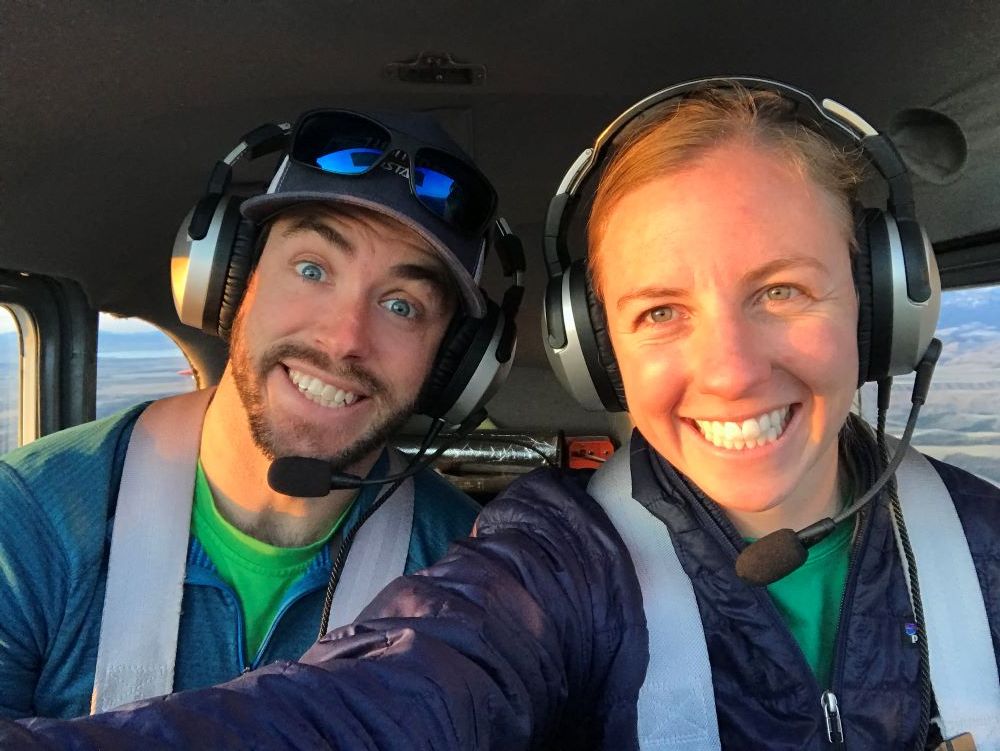
There are all kinds of ways for volunteers to help the RAF mission, and this month we feature pilots Lindsay and Paul Tarkleson of Bozeman, MT, who set aside whatever they may be doing to model RAF logo wear in front of their photogenic Cessna 170 for the RAF Outfitter, the RAF's online gear store. If it means taking a break from Lindsay's busy dental office or finding help tending their four-year-old and three-month-old baby, that’s what the Tarkelsons do. Lindsay is a native of Bozeman. Her father, RAF Supporter Jim Booth, flies a Cessna 180 and years ago inspired Lindsay to get her pilot's license, which she did in 2015 in a Citabria named “Daisy.” Not long after, she decided to buy a Cessna 170, which she and Paul fly out of Bozeman Yellowstone Field today. Lindsay earned her seaplane rating and says, “I’ve never flown a nose wheel airplane unless you count the amphibious floats.” Paul explains, “We were flying Jim’s Cessna 180 back to Montana from Maine, and it was clear two pilots would be better than one, so I decided to get my license, too.” He learned in the C170 in Bozeman, and when he showed up for his flight test, he told the FAA examiner that he needed to get the test going, since he borrowed the taildragger from his wife, “and needed to get it back before my wife discovers it’s gone.” Paul, a graduate of the Maine Maritime Academy, spent years sailing all over the world for the Merchant Marine. He was at home on the seas, but gave up the ocean life for aviation, a natural switch that fulfilled that passion. “It’s as similar as it can be to the ocean, but the exact opposite,” he says. With two young daughters and a busy family business, Paul is very happy not to be away seven months of the year. Paul serves as Lindsay’s lab technician, and his schedule is such that they can prioritize the needs of the kids, blessed with occasional help from Lindsay’s parents, who live nearby. Bozeman is a great place to raise a family, the Tarklesons feel. “The schools are great, and our airport is only thirty minutes away,” Paul adds. Lindsay and Paul credit their friend and RAF photographer Jake Peterson for their introduction to the RAF. The Tarklesons manage to fly often, mainly throughout the West, including a flight to Oregon to pick up their puppy, who now flies with them to go bird hunting. “We fly into airstrips in Montana and Idaho that the RAF supports and helps maintain; so for that, we are forever grateful,” Lindsay says. Submitted March 3, 2025 By Carmine Mowbray
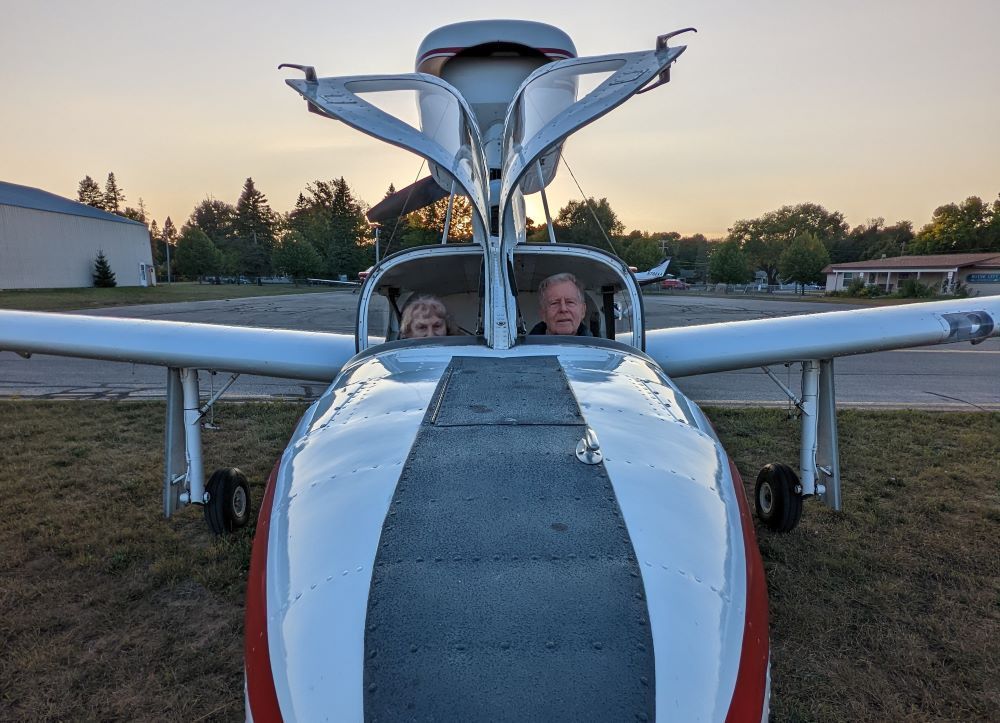
Recreational pilots have a very special place to visit thanks to some dedicated Michigan pilots including Don Seelye. These folks understood the recreational value of North Fox Island in Lake Michigan, just 27 nm from Charlevoix. “We used to fly out there regularly with our family and friends and do some maintenance,” Don says. “It was privately owned, and our pay was the use of the island. We were able to enjoy the Tom Sawyer thing,” he says. Don was raised near Flint, MI. His father was an automotive engineer. Don left college and the restraint of a desk, preferring the outdoors and doing his own engineering, which led to a successful career manufacturing electronic controls for environmental research. His clients included JPL and Generac. His company patented a special controller. “We were told it was the first controller to survive the Antarctic winter.” Don never visited the frozen continent, preferring to explore Lake Michigan for shipwrecks. He bought a Cessna 120 and learned to fly. He’d fly over the lake, spotting telltale indications of something salvageable beneath the surface for his partner, who made furniture from legally salvaged wood. They would take their tugboat over the site and dive to the wreck. The best find, Don explains, was a three-masted schooner that had sunk over a hundred years before. It yielded beautifully preserved white oak. For vacations, Don would fly with his wife Carol and three small kids in the two-seat Cessna. “Once we flew to Mackinac Island. I signed in as ‘C-120 with five onboard’. I kinda expected an official phone call, but it never came,” he mused. Now, Don and his wife love flying the Lake Amphibian they bought in 1971. It has taken them over a good chunk of North America, from Key West to near Hudson Bay, he says, “We like to find remote lakes and camp. We find a somewhat sandy shoreline to beach the plane; maybe catch a big walleye.” In 2009, Don saw an RAF story in a flying magazine and called John McKenna, asking to get involved. “The McKennas came to Michigan and met us that July, and we met with Michigan Aeronautics. More RAF volunteers came in and joined us for local meetings with the DNR in Lansing. We finally pushed and pushed and got North Fox open,” he says.