News
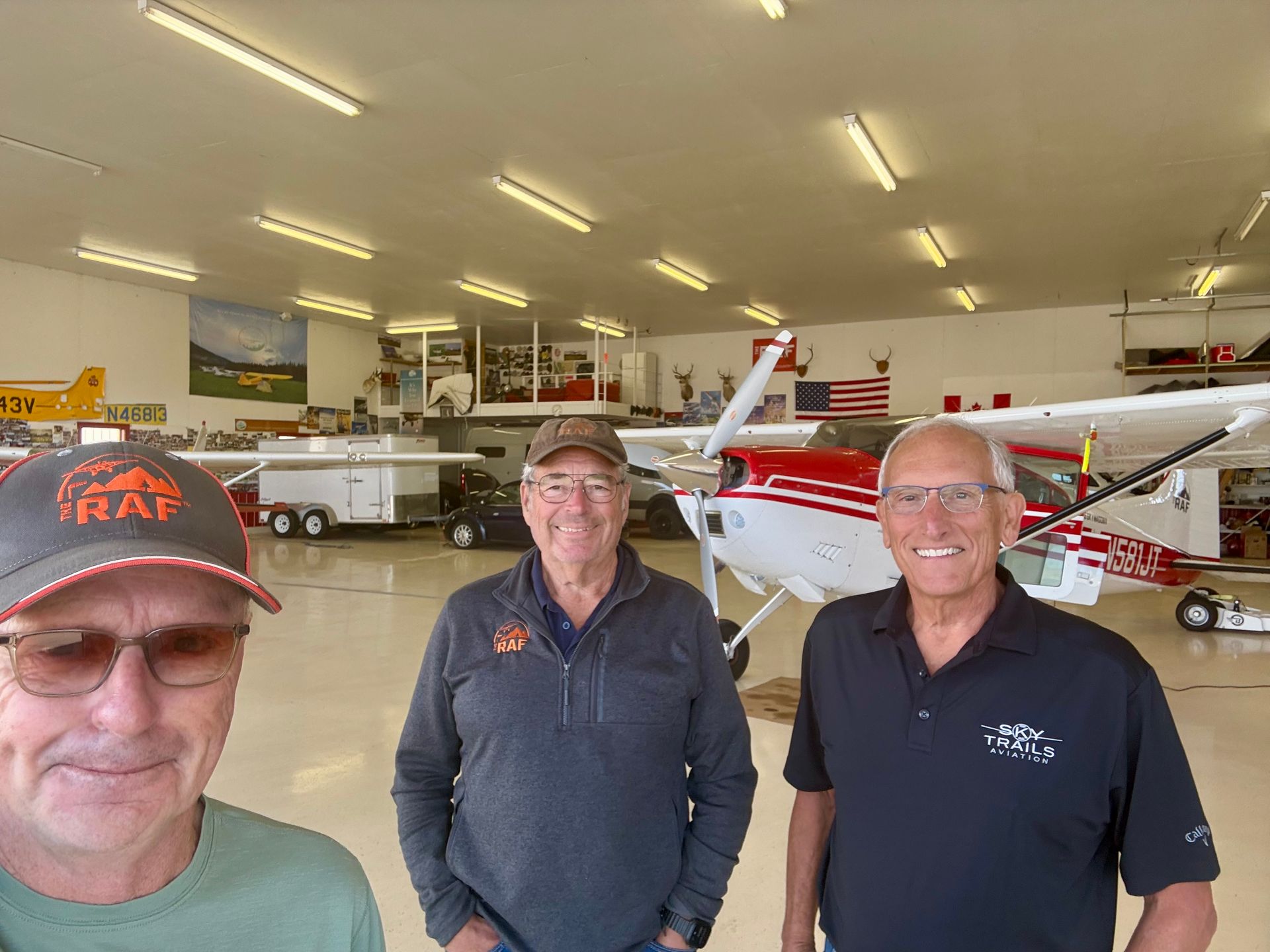
Sometimes one needs to look no further than one's incoming correspondence to find inspiration. Just this past week, folks passionate about the RAF mission reached out to me with suggestions that would bring resources to the RAF. Whether they be one-off items that we might offer, or events like large fundraisers, these folks are offering some thoughts on how we might continue to pay the bills. Additionally, we’re receiving word from folks with new destinations on their mind, and some pretty cool ones at that. Along the way, my inbox – as well as my calendar – is filled with updates on our Expanding the Map effort, with an emphasis on Fly Rocky Top. The Fly Rocky Top initiative in Tennessee is generating strong interest, and for good reason. It feels great. Folks are showing up to pitch in, with significant work projects planned. Trish and I, along with other board members, will be there to lend a hand to this exciting project. We are coming up on our annual year-end letter, which you will be seeing not long from now. In addition to showcasing a few more of our successful projects, we will be seeking your support. Stand by. I’ll wrap this up by letting you know that we could not be more pleased with how you all are doing your part. Thank you. It is so healthy to have an organization that uses passion as a primary energy source. - John McKenna, RAF Chairman Submitted September 14, 2026

“We had a busy day at Garrison Dam Recreational Airpark, as we continue to work on the underwing camping area,” RAF North Dakota Liaison Brian Rau reported. Rau was awarded an RAF grant in spring of 2026 to convert an adjacent day-use park into an airport camping area, and had organized volunteers who began the project in May. The airport, 37N, is closed while the runway and taxiway are being upgraded by a contractor for the ND Aeronautics Commission.
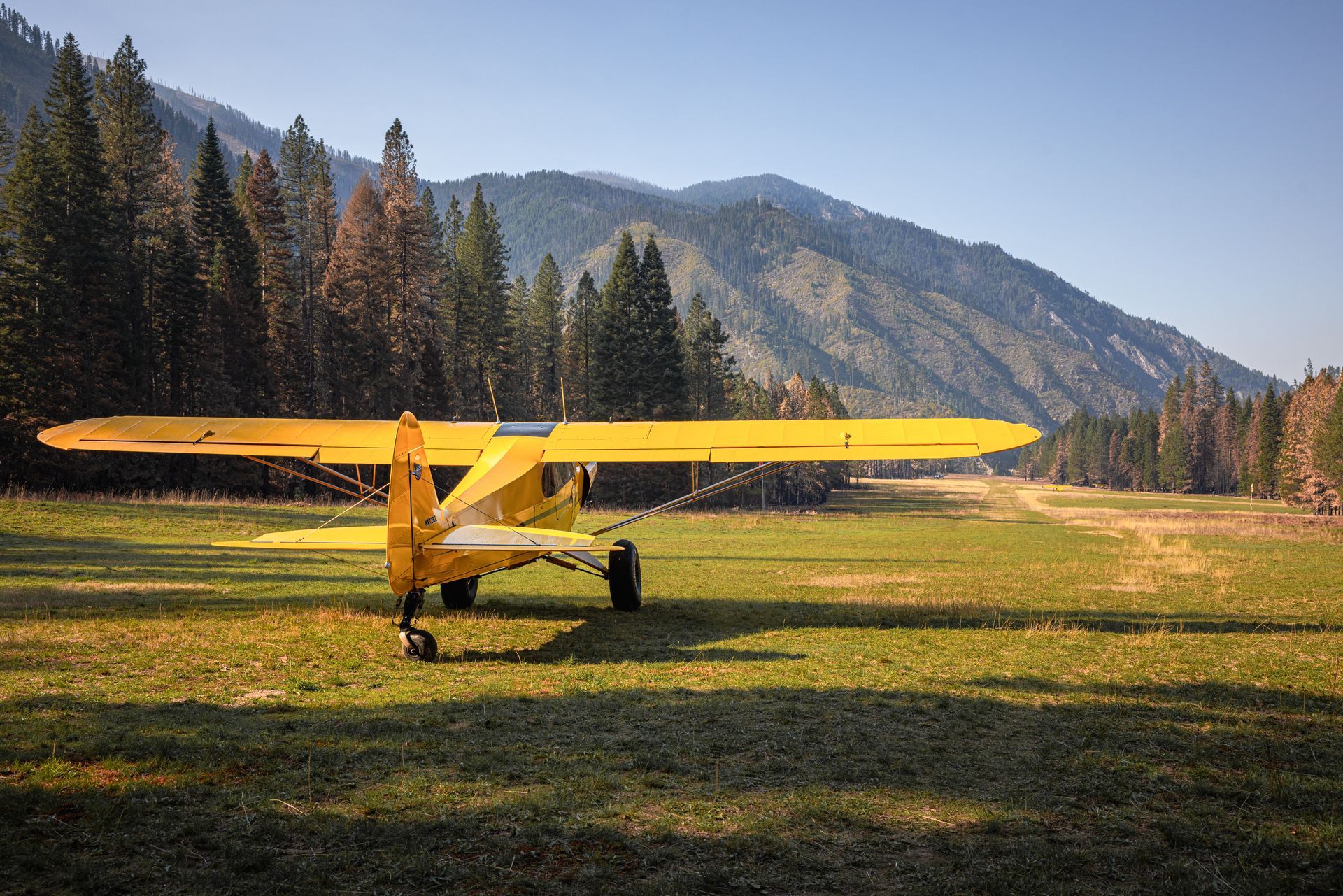
You know the feeling. You set the airplane down somewhere spectacular, shut off the engine, and enjoy the pristine landscape in front of you. This is why you fly. Keeping airstrips pristine is everyone's responsibility. But one item that doesn’t always make it into the airplane is a good trash bag. Not for the trash you planned to make. For the trash you didn’t. Cans left in a fire ring, fishing line along the river, or food wrappers working their way through the brush. None of it came in your airplane, but you have the ability to get it out. That’s reason enough to tuck a couple of heavy-duty contractor bags in with your tie-down gear. They earn their space in other ways, too. A contractor bag can keep wet or muddy gear out of the baggage compartment, cover equipment in a downpour, collect rainwater, or become an emergency poncho or windbreak. It weighs almost nothing and takes up very little room. Throw a few in the airplane and leave them there. You may not need one for your own trash, but there is a good chance you’ll find another use for it—or find something worth carrying out. Submitted September 9, 2026 By Stef Goza, Etiquette Chair, Safety, Education, and Etiquette Committee
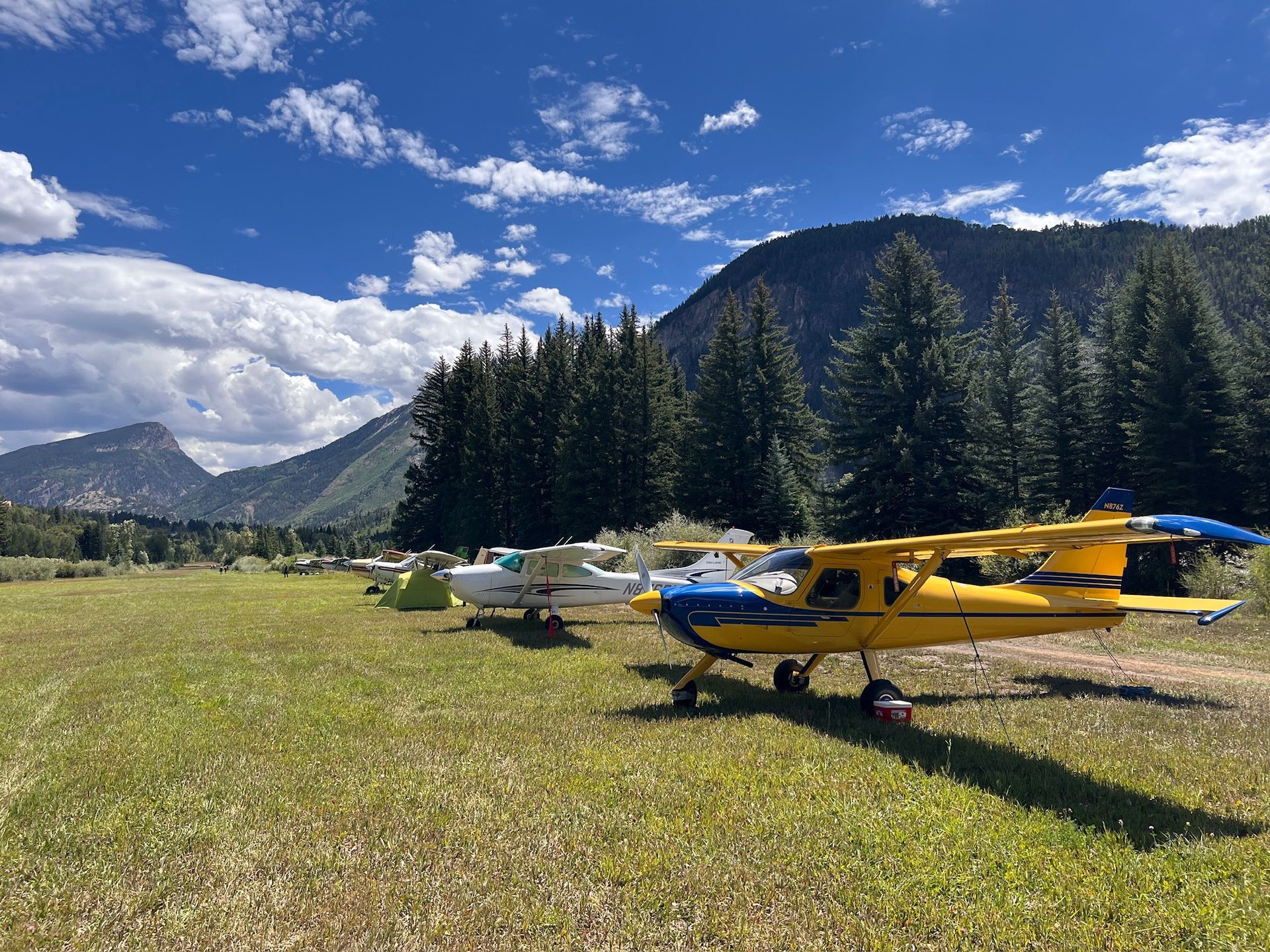
RAF Colorado Liaison Ken Long, Ambassador Mike Langersmith, and other RAF volunteers participated in an August work event at Marble, Colorado, a mountain airfield about 20 nm up the Crystal River drainage south of Carbondale. Airfield Manager Susan Blue put together the task list and oversaw the event that brought 21 volunteers in ten aircraft and four dogs.

FEATURING: SMARTWOOL SOCKS Whether you’re flying into the backcountry, hitting the trail, or simply going about your day, a comfortable pair of socks can make all the difference. Smartwool Socks are designed for outdoor adventures and everyday wear, offering the comfort, support, and durability you need wherever the day takes you. Made by Smartwool and finished with the RAF logo, they’re a practical way to bring a little backcountry spirit along for the journey. Get your feet backcountry-ready and show your support for the RAF from the ground up!
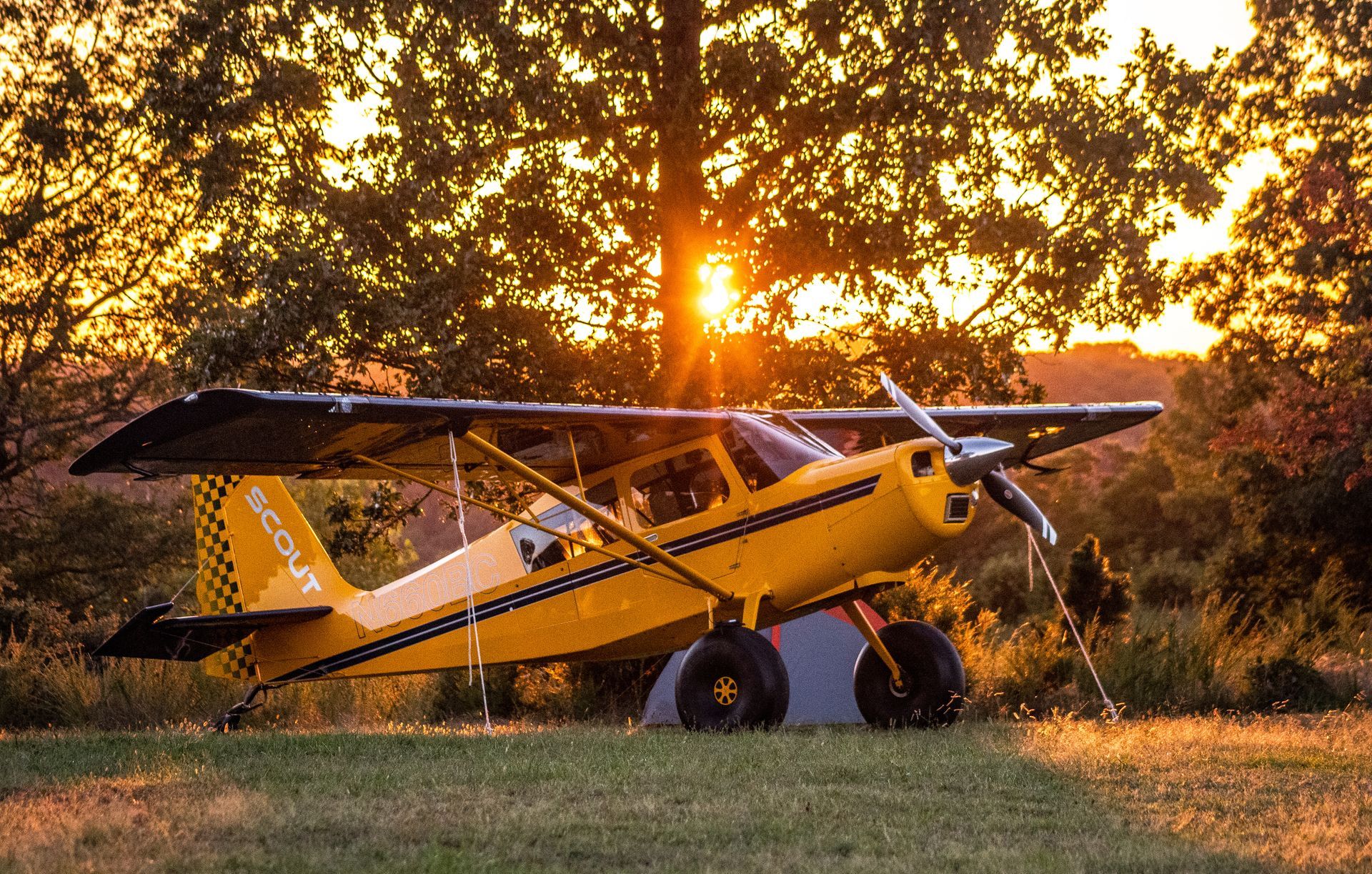
The tradition continues with the RAF 2026 Photo Contest! We’re excited to announce the upcoming RAF 2026 Photo Contest! It’s time to look through your photos and find your favorites. Once again, we’ll include the “RAF Mission” category, recognizing photos that best capture people enjoying recreational aviation, no matter the region. Each winning photographer will receive a package of high-quality greeting cards featuring their photo on the front and photo credit on the back — just in time for the holidays! New this year: We’re especially excited to see your photos from our Expanding The Map airstrips! Submit a photo taken at one of these airstrips, and we’ll send you a small gift from the RAF Outfitter as a thank-you for sharing it with us. Stay tuned for our next announcement, which will include everything you need to know to enter this year’s contest. Eligibility: The contest is open to all RAF supporters, amateur and professional photographers alike, including those aged 18 and under. Our judges are the RAF’s volunteer VPs of Appreciation, who also handwrite the RAF’s thank-you cards each week. They especially enjoy photos featuring airplanes, beautiful scenery, and people experiencing the fun and adventure of recreational aviation. The contest opens October 1, and winners will be announced November 15. Start looking through those camera rolls — we can’t wait to see where recreational aviation has taken you! Submitted September 3, 2026
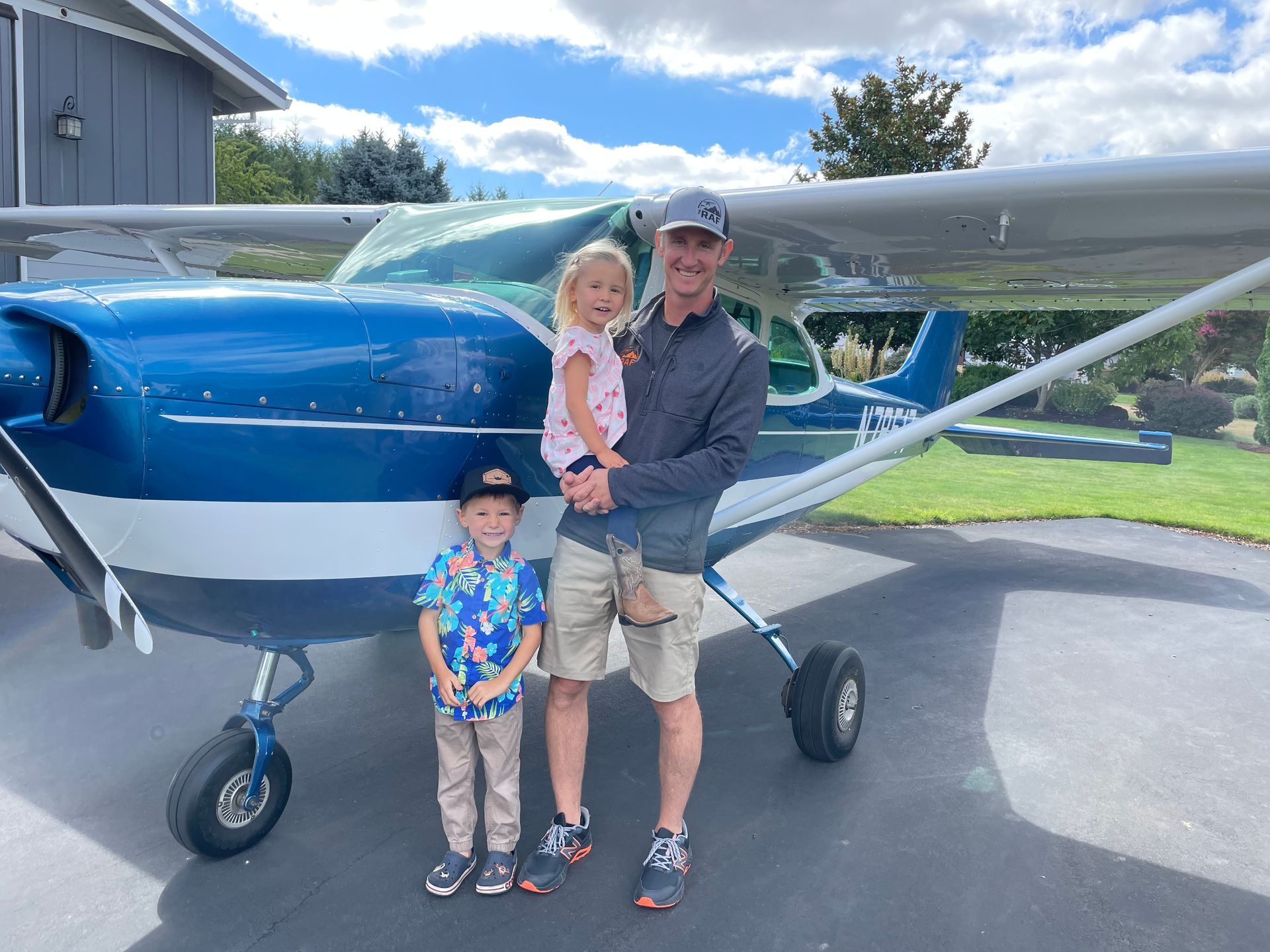
When pilot Eric Johnson of Canby, Oregon steps up to help on RAF projects, he says he’s motivated to preserve these opportunities now and for future generations. Eric is a third-generation pilot himself, and he and his wife Elle have three children, all under age five as of this writing. Eric says, “Jett, the oldest, is obsessed with airplanes,” and Grandpa Kevin Johnson treats Jett to donuts at the local FBO on Fridays so they can watch airplanes. Kevin Johnson’s name should be familiar to readers, since he is an RAF Oregon Ambassador and has supported the RAF all over the West. He has designed, delivered, and assembled a number of camping structures and other amenities at RAF-supported airfields, often assisted by Eric, who loves to contribute his precious spare time on these projects, saying, “Our family values tradition and hard work, which is a big part of what the RAF is. That’s how all the work parties are. Everyone shares the same goal and is happy to be there.” Eric earned his private pilot license in 2012 in the same Cessna 172 that his grandfather and Kevin bought in 1976, and that he now co-owns with Kevin. “We hangar it at the home that we live in, that my grandfather built in 1990,” Eric says. Elle is a private pilot as well, and worked for Columbia Helicopters until becoming a stay-at-home mom. Her father is building an RV4, so “Aviation is on both sides of our family,” Eric says. A licensed General Contractor, Eric has transitioned into property management, helping oversee the family’s 277-space manufactured home park and industrial properties in northwestern Oregon. Eric has made flights into OSH for AirVenture. He says, “The biggest adventure of the 16-hour flight is the last five minutes.” Anyone who has also nosed into that swarm of approaching traffic will probably agree. At Airventure he became acquainted with the RAF at a presentation on backcountry flying. “The mission aligns perfectly with my other outdoor hobbies,” he says. Rafting the Snake River on the Idaho-Oregon line in the Hells Canyon Wilderness, he’s looked up toward the many airstrips near the river. “The only time I’ve seen Moose Creek airstrip is floating and fishing the Selway,” he added. Now he looks forward to landing, pitching his tent, and maybe helping one of his kids tie a line to fish these rivers, perhaps sparking another lifelong passion in the next generation. Submitted September 3, 2026 By Carmine Mowbray
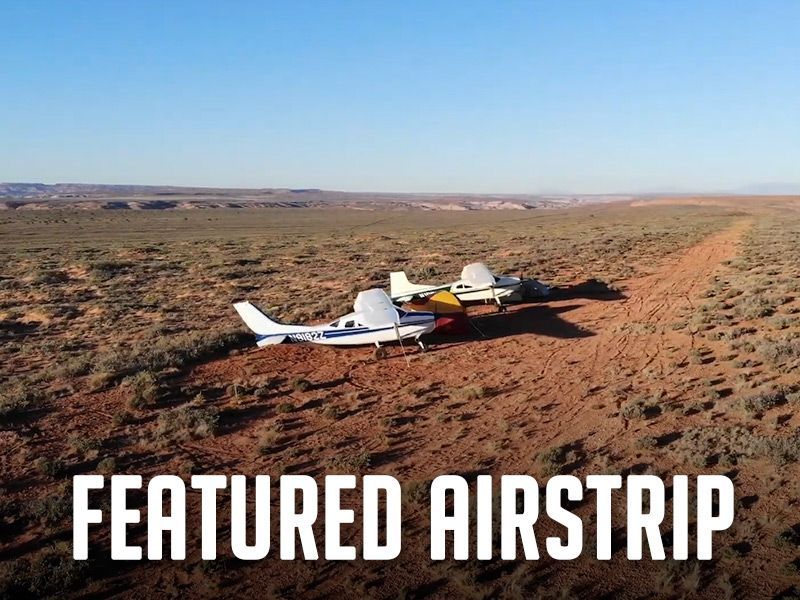
Some outdoor enthusiasts experience Utah’s Labyrinth Canyon Wilderness from the flat and peaceful water of the Green River as it goosenecks between Navajo Sandstone canyon walls, spires, and side arches. From a vantage high above, this region of stunning geologic and cultural wonders is equally as stunning. Thanks to the diligence of the RAF’s Utah Liaison Wendy Lessig, pilots may now land on a mesa overlooking the vast San Rafael Desert at Keg Knoll airstrip. This public airstrip is truly a gateway to some of Utah's most remarkable canyon country near Horseshoe Canyon and Canyonlands National Parks, offering a quiet alternative to the busy national park trails. Lessig led an effort over the past three years to advocate for the reopening of Keg Knoll airstrip. Various meetings were organized with the BLM to explore whether the airstrip could be reopened as allowed by the Wilderness Act, leading to the BLM's decision to authorize public access earlier this year. Lessig is planning a work party at Keg Knoll this fall with BLM and Utah Back Country Pilots to further improve the airstrip. Keg Knoll Airstrip has outstanding recreational value and offers pilots ready access to a true wilderness experience. Trails take visitors past ancient stories etched in desert varnish and painted on stone. Or to Colonnade Arch – just two miles from the airstrip – much-photographed for its five time-honed windows in the sandstone. Pilots are reminded that this airstrip lies within a Wilderness Area and all wilderness rules apply, including leaving all motorized and mechanized devices at home; no bicycles, drones, power tools, etc. The southwest 700 feet of the original airstrip is closed to aircraft due to sensitive vegetation. Those seeking a remote, dark sky experience should put Keg Knoll on their travel plan. Bring your self-reliance, and leave nothing behind. The RAF is thrilled that this airstrip has opened this year as part of its nationwide Expanding the Map initiative. Find out more about Keg Knoll airstrip in the Airfield Guide and on our dedicated web page . Submitted August 28, 2026 By Carmine Mowbray
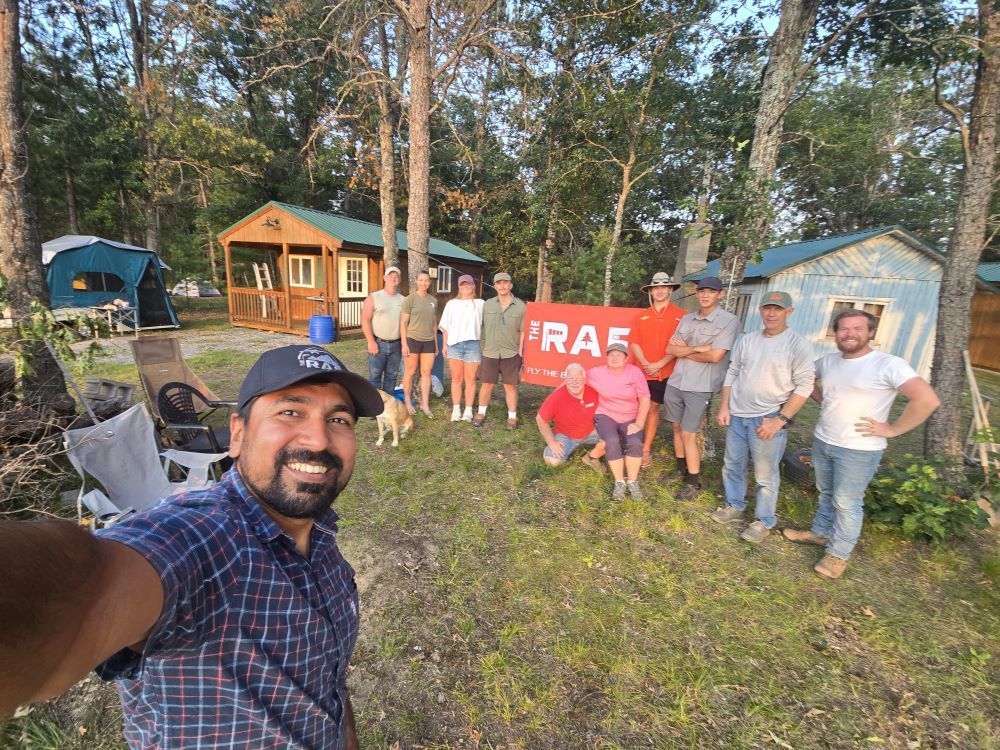
RAF Michigan Liaisons Tanmoy Ganguly and Scott Anttila met with district U.S. Forest Service staff prior to starting work at Lost Creek airstrip, now MI45, (formerly 5Y4) in the Huron-Manistee National Forest in north-central Michigan. “We had a very constructive discussion about what the RAF does, and what we envision for future amenities at Lost Creek airstrip,” Ganguly said. The mid-August work weekend attracted 16 aircraft and 20 volunteers, including new MI Ambassador Ryan Minnick, MI Ambassador Ehsan Hamtaei, and IN Liaison Bill Steinmetz, many of whom enjoyed camping overnight in the forested setting. The crew was joined by nearby residents who donated their time, tools, and machinery to help and provided snacks.
Recent Posts
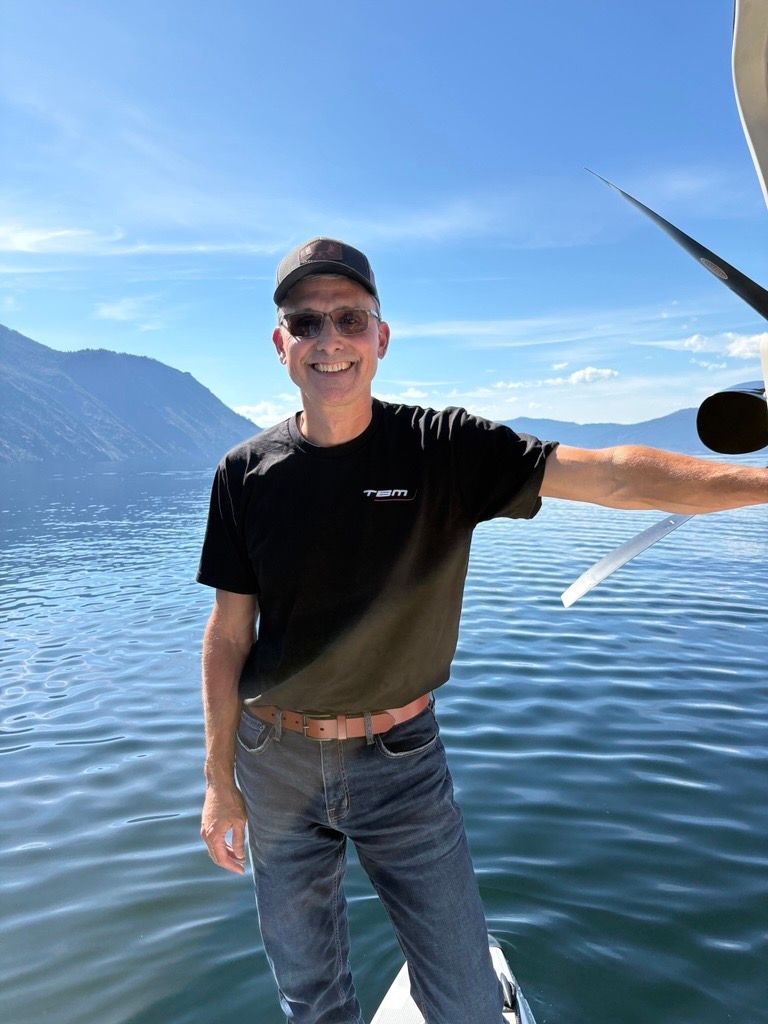
Sometimes one needs to look no further than one's incoming correspondence to find inspiration. Just this past week, folks passionate about the RAF mission reached out to me with suggestions that would bring resources to the RAF. Whether they be one-off items that we might offer, or events like large fundraisers, these folks are offering some thoughts on how we might continue to pay the bills. Additionally, we’re receiving word from folks with new destinations on their mind, and some pretty cool ones at that. Along the way, my inbox – as well as my calendar – is filled with updates on our Expanding the Map effort, with an emphasis on Fly Rocky Top. The Fly Rocky Top initiative in Tennessee is generating strong interest, and for good reason. It feels great. Folks are showing up to pitch in, with significant work projects planned. Trish and I, along with other board members, will be there to lend a hand to this exciting project. We are coming up on our annual year-end letter, which you will be seeing not long from now. In addition to showcasing a few more of our successful projects, we will be seeking your support. Stand by. I’ll wrap this up by letting you know that we could not be more pleased with how you all are doing your part. Thank you. It is so healthy to have an organization that uses passion as a primary energy source. - John McKenna, RAF Chairman Submitted September 14, 2026
“We had a busy day at Garrison Dam Recreational Airpark, as we continue to work on the underwing camping area,” RAF North Dakota Liaison Brian Rau reported. Rau was awarded an RAF grant in spring of 2026 to convert an adjacent day-use park into an airport camping area, and had organized volunteers who began the project in May. The airport, 37N, is closed while the runway and taxiway are being upgraded by a contractor for the ND Aeronautics Commission.
You know the feeling. You set the airplane down somewhere spectacular, shut off the engine, and enjoy the pristine landscape in front of you. This is why you fly. Keeping airstrips pristine is everyone's responsibility. But one item that doesn’t always make it into the airplane is a good trash bag. Not for the trash you planned to make. For the trash you didn’t. Cans left in a fire ring, fishing line along the river, or food wrappers working their way through the brush. None of it came in your airplane, but you have the ability to get it out. That’s reason enough to tuck a couple of heavy-duty contractor bags in with your tie-down gear. They earn their space in other ways, too. A contractor bag can keep wet or muddy gear out of the baggage compartment, cover equipment in a downpour, collect rainwater, or become an emergency poncho or windbreak. It weighs almost nothing and takes up very little room. Throw a few in the airplane and leave them there. You may not need one for your own trash, but there is a good chance you’ll find another use for it—or find something worth carrying out. Submitted September 9, 2026 By Stef Goza, Etiquette Chair, Safety, Education, and Etiquette Committee
RAF Colorado Liaison Ken Long, Ambassador Mike Langersmith, and other RAF volunteers participated in an August work event at Marble, Colorado, a mountain airfield about 20 nm up the Crystal River drainage south of Carbondale. Airfield Manager Susan Blue put together the task list and oversaw the event that brought 21 volunteers in ten aircraft and four dogs.