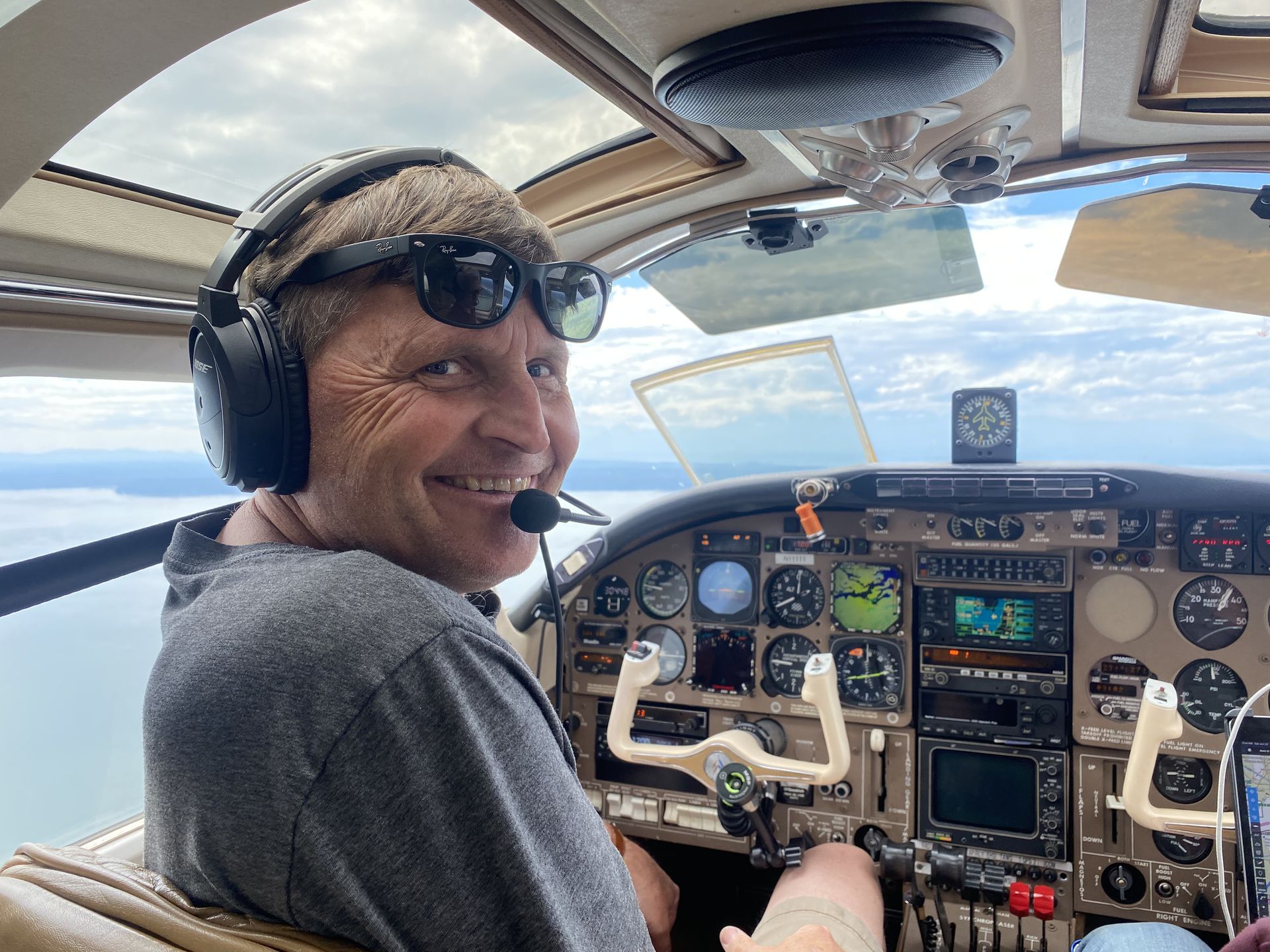
WORTH THE READ: MIKE TODD GUEST EDITORIAL

Our many RAF supporters have such vast and varied experience, and we’re capturing some of their words of wisdom to share with you. This month’s guest editorial is from Mike Todd, a career pilot and longtime RAF Supporter.

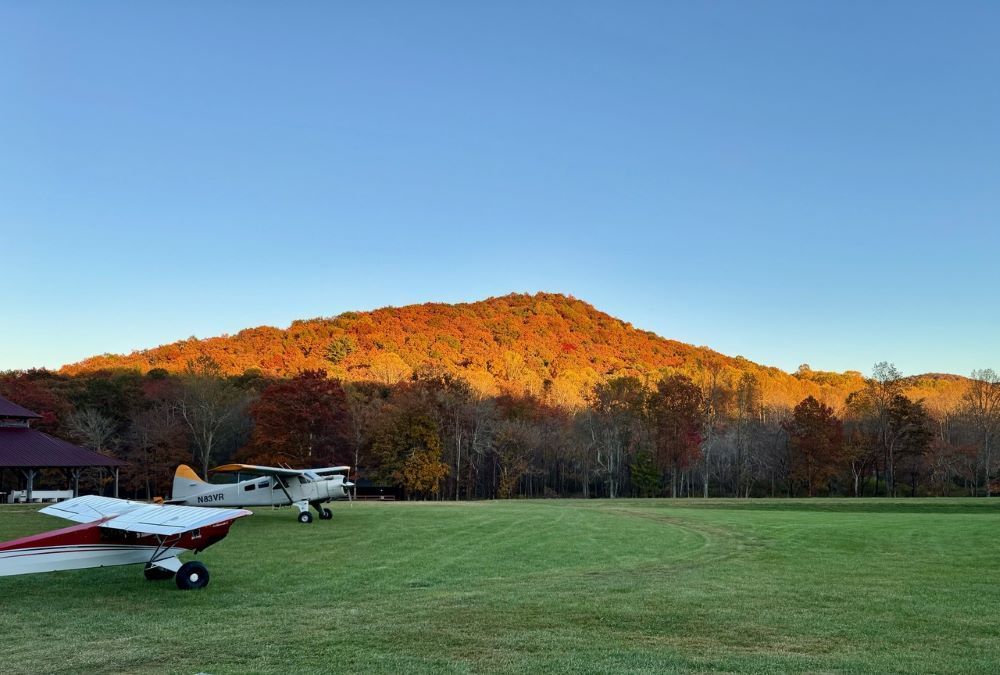
You might think that it would get old and stale, this flying thing. Modern avionics make navigation accurate and easy, and we have equipment that monitors every parameter of the engine that keeps us safely in the air, warning us if something is amiss. We have auto flight systems available for our light airplanes, even old ones like my 1956 Cessna 180, that rival those that have taken us around the world in jets. We take pride in answering the challenge of keeping skills current and working with others in the air traffic system to operate safely in busy airspace. But even with all the help from modern devices and equipment, there is still romance in flight. There is still a special feel with that “almost perfect” touchdown on a grass runway, and the sound of the cylinders cooling when there is no other sound than those of nature. It’s been that way for fifty six years and well over thirty thousand hours for me, and you would think I’d get over it. 

But there is something special about flying in general, and flying in the United States of America in particular. While light airplane aviation is alive all around the world, it’s different here. We enjoy freedom of flight that is unique to only a few places in the world. Non flyers are sometimes surprised to find that I live next to a runway where I can fly whenever and pretty much wherever I choose, and back when I earned my living flying big airplanes, some of my compatriots looked at my pictures and listened to my stories of flying the backcountry with a curious look in their eye. Nowadays, I sometimes meet up with some of those airline friends in the back country. I’d like to think I had something to do with that. 

On a nice August morning last Summer, I loaded a few tools into our 180 and pushed it out of its hangar into pre-dawn light. Some of the neighbors heard the engine start up, and more of them heard us leave. The 180 isn’t quiet at takeoff power, but we wound the prop back a bit, and as it is in the backcountry, that sound has a nice decrescendo, fading to quiet in just a moment or two, so the sleepy-heads went back to dreams, or thoughts of driving to work. 

We climbed out over the Washington Cascades and put the autopilot to work, munching on a breakfast muffin as we watched the Big Bend country of the Columbia river transition to the western Rocky Mountains and river drainages of the Pend Oreille, Clark Fork, and Flathead. My good old friend, the 180 was a magic carpet, and the scenery below was a demonstration of all those things the Geology Professor told us about way back when we were young and in a hurry. 

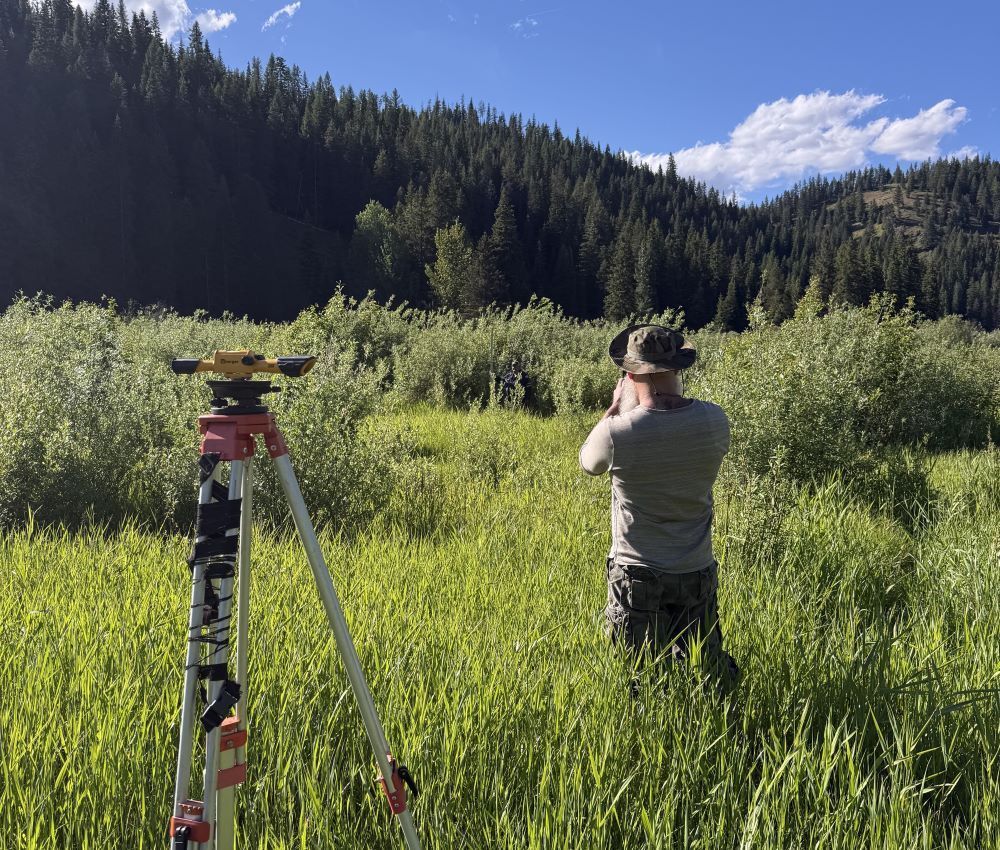
The mission that morning was to join friends from the Recreational Aviation Foundation at a cabin raising party at Ryan Field, the place Ben and Butchie Ryan carved out of the rocks and trees on the west slope of the Flathead Range, just outside the entrance to Glacier National Park. The Ryan story is symbolic of the mission of the RAF. It’s a story of a loving couple who created a dream they wanted to keep alive, and an organization of people dedicated to making sure that happened. The Ryans are gone now, and the future of Ryan Field is protected under the stewardship of the RAF. The airstrip is still special and requires some backcountry skill and care, but that is part of the character of the place. And thanks to the hard work, imagination, and financial backing of volunteers and supporters a big timber frame barn, as well as a pilot shelter, and those rustic cabins make Ryan Field a truly unique experience. 

For many of us in the West, Ryan Field is the poster child for the mission of the RAF, but it’s just a bookend to what is happening with the organization, and thanks to the efforts of aviators and supporters across the land, great things are happening in the name of Recreational Aviation from Alaska to Florida and California to Maine. Congratulations to the RAF on the first twenty years. Keep up the good work, I’ll look forward to seeing you “Out there”.  
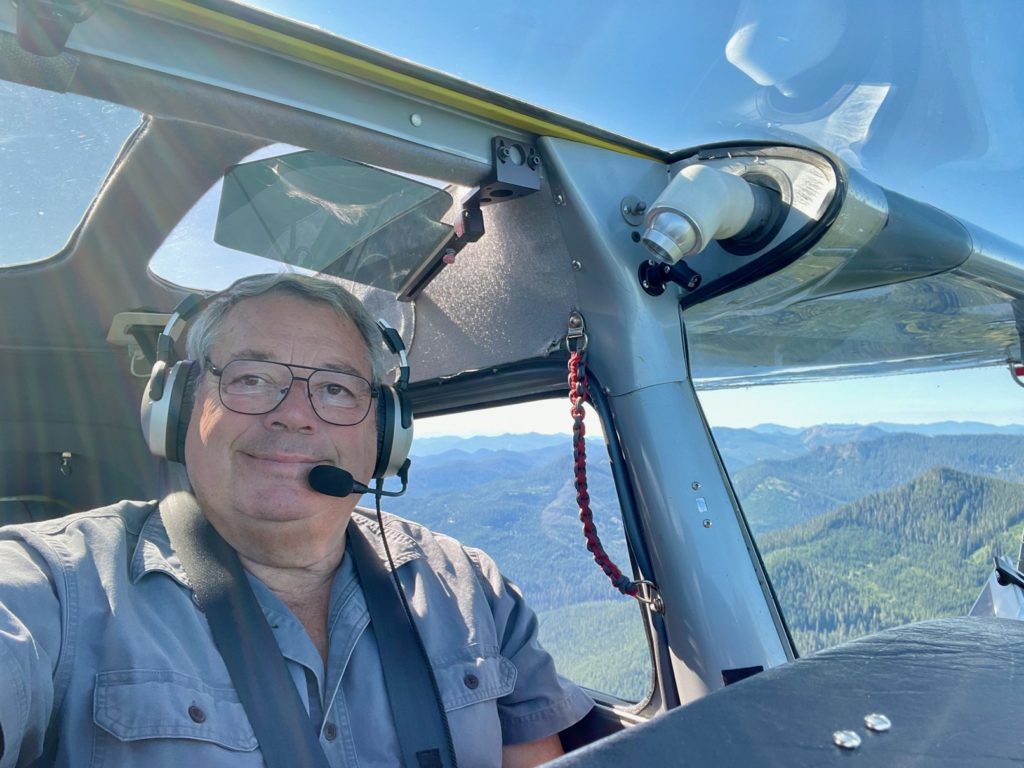
Growing up in the Pacific Northwest, the Backcountry and airplanes have been in Mike’s blood from his earliest days. He started flying in 1967, and his first plane, a somewhat neglected 1946 Aeronca Champ came out of the airport weeds and into his life when he was a junior in High School. College in the Midwest brought a degree in Aviation as well as his first flying job, and from there he was fortunate to make a living flying around the world, working up the ladder from Twin Otters in Alaska to 747’s at United. The old Champ introduced him to grass runways and backcountry places around the country, and seven years into retirement, those places, as well as the Super Cub and Cessna 180 that share his hangar with the old Champ continue to be his passions.

Submitted on May 23, 2023.


Posted in Guest EditorialNews

Recent Posts

May 19, 2026
Our many RAF supporters have such vast and varied experience, and we’re capturing some of their words of wisdom to share with you. This guest editorial is by Steve Johnson, former RAF Director, Supercub.org founder, and Gold Seal CFI/MEI.
May 14, 2026
Lock Haven Airport, or William T. Piper Memorial Airport (KLHV), has a legendary past. From 1937 to 1984, it was the home of Piper Aircraft, where the Cub was born. The vintage aircraft community celebrates to this day with its annual “Sentimental Journey” pilgrimage fly-in, and fills the parking areas along both its paved and turf runways. For recreational pilots, it’s a great base location for fly-outs, including scenic flying opportunities over the mixed hardwood forest along the Susquehanna River. The year-round camping area has working restrooms, a pavilion to escape the elements, and a bath house that had deteriorated. RAF Pennsylvania/West Virginia Liaison Chip Vignolini and RAF Pennsylvania Liaison Andy Turner assessed the deteriorating bath house and decided to do something about it. They have been awarded an RAF grant for upgrades and refurbishment. “Our goal is to bring the bath house back to full operational capacity and improve the site’s utility,” Vignolini said. “By replacing damaged siding and applying fresh paint, the project halts deterioration. The other planned bath house and campground improvements ensure that the environment matches the prestige of the aircraft that visit.” The Sentimental Journey Board organized an initial work party in April. Volunteers have provided the specialized machinery and tools to complete the structural work and site preparation. Vignolini and Turner are now ready to line up volunteers to replace an insufficient water heater, install privacy dividers, and integrate an RAF fire ring and RAF information box. CAP volunteers will help with the project. Volunteers will be the primary workforce, bringing their own tools and expertise to the field, from licensed plumbers to seasoned handymen. “Lock Haven has always been built by the hands of those who fly there,” Vignolini said. Work will continue in May, with the goal of being completed for the 2026 season. “The campground and fire ring serve as the ‘social hangar’ where elder pilots pass down knowledge and stick-and-rudder skills to the next generation of aviators.” Vignolini added. Lock Haven Airport can be found in the Airfield Guide . Submitted May 14, 2026
May 13, 2026
“Wow, did they ever get lucky!” When something good happens to a person or an organization, how many times have you heard that phrase? Or maybe even said it yourself? When, in reality, there’s been long term effort building skills, cultivating a growth mindset, expanding networks, and building relationships. When all is added together, this preparation creates a situation where opportunities are likely to arise. Or said another way, “Luck is what happens when preparation meets opportunity.” It may appear to the casual observer that the RAF is about to get real lucky real soon. We think we are about to have the year we have been waiting for – well, maybe not waiting for – but rather preparing for. Over the course of the next 12-18 months, we will be announcing more airstrip possibilities and projects than we have ever experienced in a similar period. Leadership has been thinking about this for a good long time, and we have worked hard to be ready. What does that mean? It has meant building what I believe is one of the finest groups of people in aviation. People who are ready to step up and who bring and invest the skills needed to make things happen. It means having saved some money, which gives us the ability to say “Yes” and accept opportunities and the responsibilities they bring. It means having the relationship capital with our partners, be they private or public, that is required to make progress. We want you to know that we will be calling on all of us to give our best effort so we don’t miss our chance to get “lucky.” We will need people to take charge of projects just like you have in the past. We will need people to give some time – or maybe a lot of time – if they can spare it. We will need financial resources to meet the demands that we will be called upon to provide. I think we are ready, and I further think this is going to be one of the most exciting periods we’ve seen in the RAF timeline. I hope you are all in. Since the RAF was founded out here in rodeo country, it only seems appropriate that just before the chute is opened, a simple nod of the head throws it open and signals that big action is about to happen. Here’s to a little “nod of the head.” - John McKenna, RAF Chairman Submitted May 13, 2026
May 13, 2026
RAF Virginia Liaison Paul Kosubinsky organized volunteers the weekend of May 8-9 to clean up the campsite and install new amenities at Front Royal Warren County Airport, Virginia, KFRR. Assisting were the Warren County Airport Commission and Friends of Front Royal. “Together, we accomplished an amazing amount in a short time. From removing loads of trash to installing the beautiful new RAF-branded fire ring, entrance sign, and flag pole, the campsite has already been transformed into a welcoming destination pilots and campers will enjoy for years to come,” Kosubinsky reported. The team also cut and stacked enough firewood to last several seasons to benefit future visitors. The volunteers also set up an RAF table and greeted visitors during the airport Wings and Wheels event. This public-use airport has a paved 3,000-ft runway and offers camping with access to a porta-potty, indoor restrooms, and a courtesy car. It’s known as a gateway airport to the Shenandoah National Park and the Appalachian Trail. “Thank you again for helping make the KFRR Stokes Airfield Campsite something we can all be proud of. I look forward to many future gatherings around that new fire ring,” Kosubinsky added. Find more on Front Royal Warren County Airport in the Airfield Guide . Submitted May 13, 2026
May 11, 2026
RAF New York Liaison Doug Turnbull organized a work party at Great Valley airfield, N56 near Salamanca, in southwestern New York on Saturday, May 2. The group of volunteers cleaned up the riverbank, performed seasonal maintenance, and added a new RAF windsock. They removed encroaching brush along the 3,200-ft turf runway to make the approach more visible. The airfield is privately owned but open for public use. “Owner Anna Northrup was very appreciative of the fellowship and that she didn’t need to worry about these things. She generously provided morning donuts and coffee and lunch from the adjacent Katy's Fly-In restaurant,” Turnbull said. “The many hands made quick work, and it was good to spend time with other RAF volunteers out in the field working on this strip,” Turnbull added. Find more on Great Valley in the Airfield Guide . Submitted May 11, 2026