MAGEE, ID FLOOD MITIGATION ASSESSMENT BEGINS
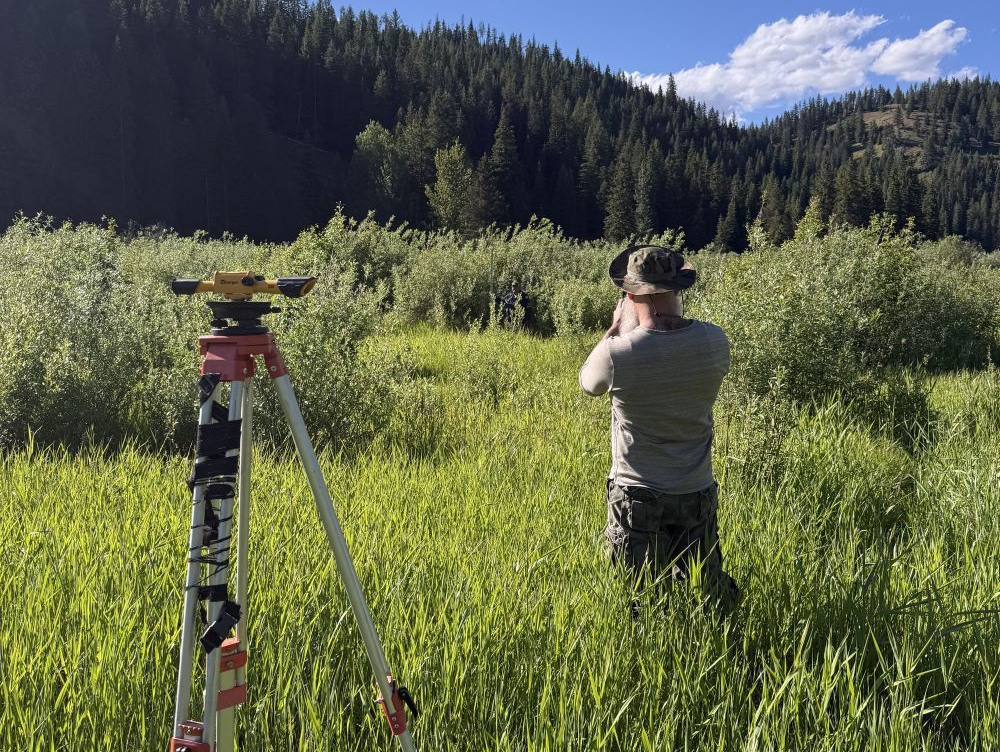
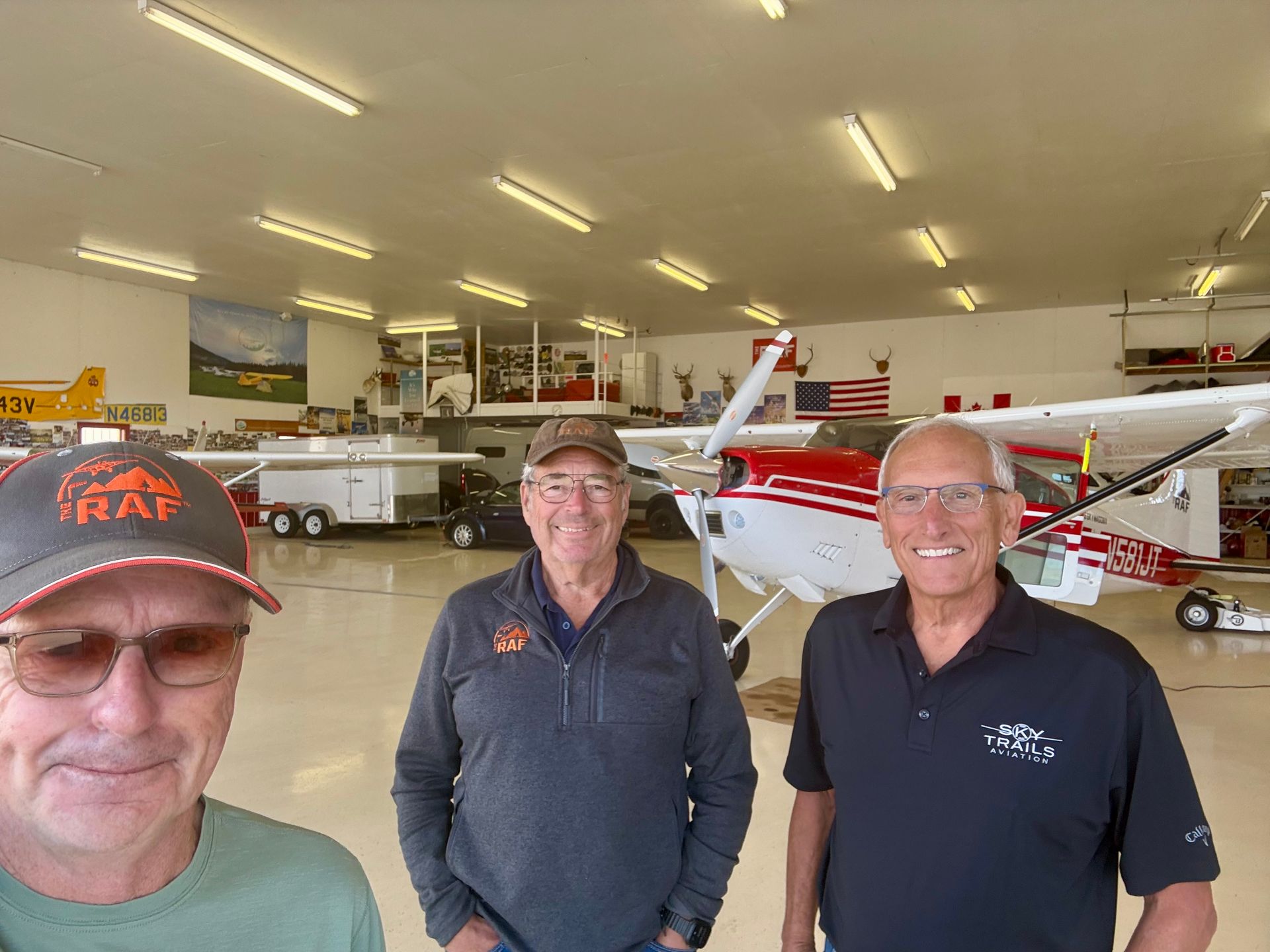
RAF President Bill McGlynn met in mid-June with the US Forest Service, Idaho Dept of Aeronautics, and Idaho Aviation Association to evaluate steps to improve Magee (S77) airstrip, 23 nm east of Coeur d’Alene. On the way, Bill picked up Joe Sober, one of two airport engineers from Oklahoma City who have volunteered their professional services and have been instrumental in creating maintenance and remediation plans on Idaho backcountry airstrips. “The Forest Service engineering teams have too much on their plate just addressing roads, so having this resource to make airstrip engineering assessments and plans is instrumental to resolving challenges on USFS airstrips like Magee,” McGlynn said. The improvement project at Magee has been organized through a Cost Share Agreement that the RAF has with the USFS.


McGlynn, Sober, Willy Acton of the Idaho Airstrip Network, along with USFS District Ranger Holly Hampton, Don Macintosh of IAA, Dan Conner of Idaho Aeronautics, and RAF Idaho Ambassador George Weaver investigated the sources of flooding that plague Magee airstrip every spring and analyzed means of redirecting the problematic water.


Magee airstrip was created in the 1940s by the Corps of Engineers as a hidden fighter base in case of a Japanese attack on the western US coast. A dike that was built to channel water away from the runway has eroded over the past eighty years. Sober took numerous measurements and will develop a plan to submit to the USFS for approval. Work could begin over the next year or two to recover about 700 feet of runway. “We truly could not do this work without our volunteer engineers and are very fortunate to have their expertise,” McGlynn said. Weaver said, “The airstrip is a real gem, and the restoration work will make it a great backcountry destination.” 


Submitted June 28, 2026

    Recent Posts
By lellington • September 15, 2026
By John McKenna • September 14, 2026
Sometimes one needs to look no further than one's incoming correspondence to find inspiration. Just this past week, folks passionate about the RAF mission reached out to me with suggestions that would bring resources to the RAF. Whether they be one-off items that we might offer, or events like large fundraisers, these folks are offering some thoughts on how we might continue to pay the bills. Additionally, we’re receiving word from folks with new destinations on their mind, and some pretty cool ones at that. Along the way, my inbox – as well as my calendar – is filled with updates on our Expanding the Map effort, with an emphasis on Fly Rocky Top. The Fly Rocky Top initiative in Tennessee is generating strong interest, and for good reason. It feels great. Folks are showing up to pitch in, with significant work projects planned. Trish and I, along with other board members, will be there to lend a hand to this exciting project. We are coming up on our annual year-end letter, which you will be seeing not long from now. In addition to showcasing a few more of our successful projects, we will be seeking your support. Stand by. I’ll wrap this up by letting you know that we could not be more pleased with how you all are doing your part. Thank you. It is so healthy to have an organization that uses passion as a primary energy source. - John McKenna, RAF Chairman Submitted September 14, 2026
September 11, 2026
“We had a busy day at Garrison Dam Recreational Airpark, as we continue to work on the underwing camping area,” RAF North Dakota Liaison Brian Rau reported. Rau was awarded an RAF grant in spring of 2026 to convert an adjacent day-use park into an airport camping area, and had organized volunteers who began the project in May. The airport, 37N, is closed while the runway and taxiway are being upgraded by a contractor for the ND Aeronautics Commission.
By Stef Goza • September 9, 2026
You know the feeling. You set the airplane down somewhere spectacular, shut off the engine, and enjoy the pristine landscape in front of you. This is why you fly. Keeping airstrips pristine is everyone's responsibility. But one item that doesn’t always make it into the airplane is a good trash bag. Not for the trash you planned to make. For the trash you didn’t. Cans left in a fire ring, fishing line along the river, or food wrappers working their way through the brush. None of it came in your airplane, but you have the ability to get it out. That’s reason enough to tuck a couple of heavy-duty contractor bags in with your tie-down gear. They earn their space in other ways, too. A contractor bag can keep wet or muddy gear out of the baggage compartment, cover equipment in a downpour, collect rainwater, or become an emergency poncho or windbreak. It weighs almost nothing and takes up very little room. Throw a few in the airplane and leave them there. You may not need one for your own trash, but there is a good chance you’ll find another use for it—or find something worth carrying out. Submitted September 9, 2026 By Stef Goza, Etiquette Chair, Safety, Education, and Etiquette Committee
September 8, 2026
RAF Colorado Liaison Ken Long, Ambassador Mike Langersmith, and other RAF volunteers participated in an August work event at Marble, Colorado, a mountain airfield about 20 nm up the Crystal River drainage south of Carbondale. Airfield Manager Susan Blue put together the task list and oversaw the event that brought 21 volunteers in ten aircraft and four dogs.