After Saturday’s hearty potluck breakfast, nine volunteers in five planes made the short flight into the Park, landing at Jake’s Bar along the Chitina River, a tributary of the Copper, famous for salmon. Al had worked with Park officials to obtain the permit and guidelines for the work, and packed in chainsaws, loppers, hearing protection, a weed whacker and sandwiches. The strip was originally a staging place for mining activity, and is now ideal for recreational use. There is an old cabin, sauna and historic cache at its north end that is maintained by the Park Service and available for public use. A short trail leads to a good put-in place for rafting the Chitina. The group tracked down an old road grader abandoned in the woods.
WORK PARTY IN ALASKA’S WRANGELL-ST. ELIAS NATIONAL PARK
RAF Alaska Liaison Al Clayton organized a June 3 work party to trim and remove trees along 1,000-ft Jake’s Bar, which lies within Alaska’s Wrangell-St. Elias National Park. The group gathered Friday at Clayton’s rustic cabin at Fireweed airstrip, near the old mining town of McCarthy. The pilots enjoyed an incredibly scenic flight, while Al’s wife Beth and daughter Taral made the 6-hour drive from Anchorage, bringing tools, food, beverages and propane.
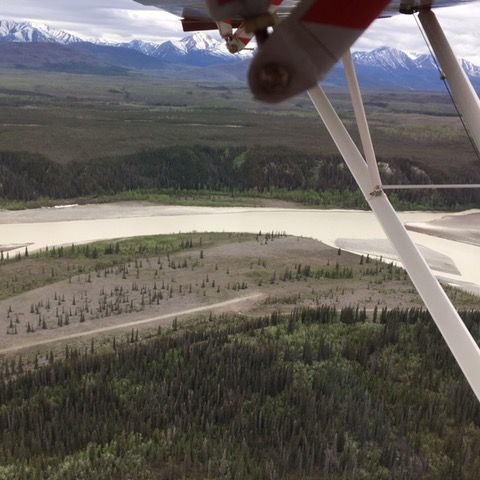
Overcast but dry weather held all day Saturday, but typical Alaska spring rains began Saturday night, and low ceilings delayed departures on Sunday. Spirits were high in spite of wet tents and clothing.
Al thanks Bernie Willis and Ed White, volunteers from EAA Chapter 42; Matt Freeman, retired FAA; and Bob Waldron, Ray Huot, Jim Schaff, and Montana’s Carmine Mowbray, all from the RAF. Ray’s guest, Ralph Peters from Georgia did a great job with the weed whacker.
Submitted on June 12, 2017.
Posted in News
Recent Posts
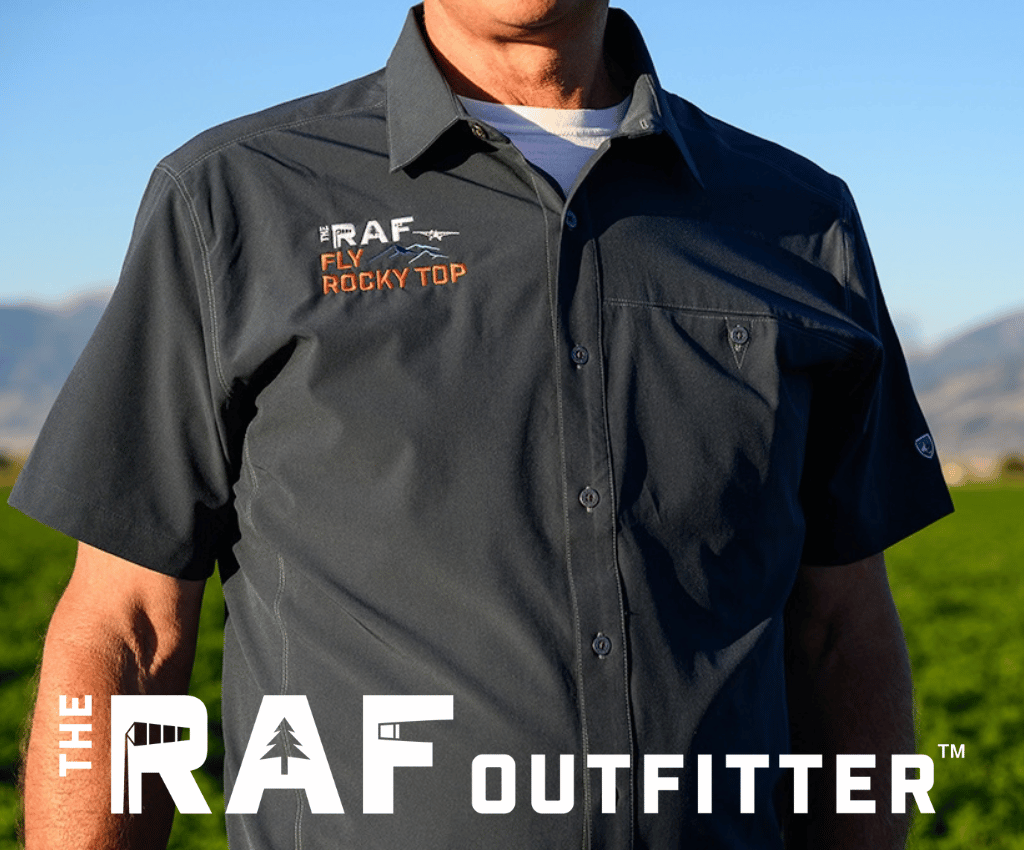
FEATURING: RAF FLY ROCKY TOP COLLECTION This summer, the RAF proudly announced the Fly Rocky Top Airstrip Network, opening up a new way to experience the beauty, adventure, and recreational flying opportunities of East Tennessee. Now, you can take a little Fly Rocky Top spirit with you wherever you go! The new Fly Rocky Top Collection has officially landed at the RAF Outfitter, with something for just about everyone. From adventure-ready KÜHL layers to hats, a lightweight women’s performance shirt, and stickers, the collection was made for days at the airstrip and everywhere your adventures take you in between.
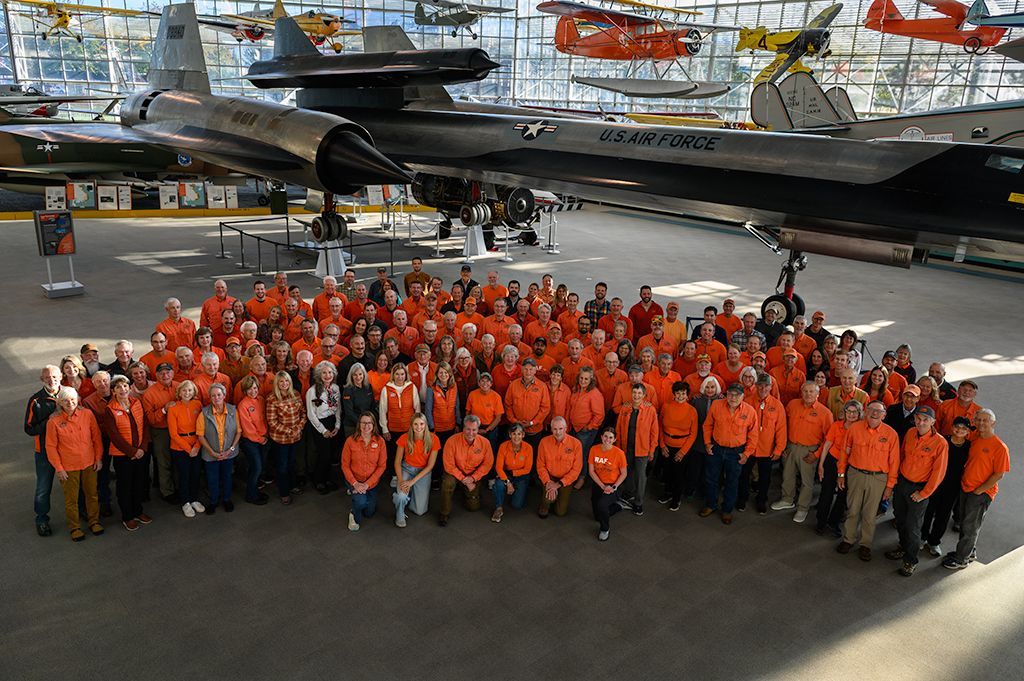
RAF key volunteers from across the nation gathered at Seattle’s Museum of Flight for a two-day RAF Educational Conference that ended Saturday, September 26. The days were filled with discussions about ways to further the RAF mission, beginning with the US Forest Service. The RAF Board of Directors and AOPA co-president Katie Pribyl and board member Peter Burwell updated the group over breakfast, and RAF Liaisons reported on airfield projects. Other presentations included author Richard Kyte on the importance of community, the RAF Safety, Education and Etiquette (SEE) committee reported on its messaging to pilots, Garmin presented its new Axis platform, author Richard Holm presented on the history of aviation’s role in the Idaho backcountry, and RAF Georgia Ambassador Dhruv Thakkar discussed the use of Digital Control Towers. Attendees also received an update on the RAF Airfield Guide and heard from RAF staff on tips for holding work parties and connecting RAF supporters. RAF Utah Liaison Wendy Lessig, RAF New Mexico Liaison Ron Keller, and Oregon Ambassador Kevin Johnson were presented with the RAF's Wind Beneath Our Wings Award for outstanding volunteer contributions to the RAF mission. Among the attendees were National RUS Liaison John Nadeau and his wife, who drove thousands of miles from Maine to join. "It was well worth the trip to learn about important projects fellow volunteers are working on from coast to coast, and how they successfully handle difficult situations using the RAF Way." The conference concluded with a talk from former and current principals of the adjacent Raisbeck Aviation High School. Dinner was later held in the high school, at which retiring RAF Director Steve Taylor was honored. Attendees enjoyed seeing their fellow volunteers and meeting new friends. Volunteers walked away feeling inspired and energized, with new ideas to continue their efforts preserving, improving, and creating airstrips for recreational access. Submitted September 1, 2026 Photo by Jake Peterson
The RAF extends its appreciation to Steve Taylor of the Seattle area for his dedicated service on the RAF Board of Directors from 2019 to 2025. Throughout his time on the Board, Steve generously shared his aviation experience, perspective, and relationships in support of the RAF mission. He contributed to numerous RAF efforts, including the RAF Kodiak missions in support of airstrip work on the Nez Perce-Clearwater National Forest, and has been a valued advocate for the organization and recreational aviation. Steve also played an important role in helping bring the RAF’s 2026 National Educational Conference to Seattle. The gathering gave RAF volunteers, supporters, and partners an opportunity to learn, connect, and spend time together at the Museum of Flight and Raisbeck Aviation High School—two places that reflect Steve’s long-standing commitment to aviation and aviation education. In recognition of Steve’s service to the RAF and his support of the next generation of aviation leaders, the RAF made a donation to Raisbeck Aviation High School in his name during the conference. Steve’s contributions to the RAF extend well beyond any single project or event. We are grateful for the time, experience, relationships, and enthusiasm he has shared with the organization over the years, and we are proud to recognize him as a Director Emeritus. “We can't thank Steve enough for his devotion to the ongoing success of the RAF. He has ‘changed the game' for us in many ways and raised our stature as a volunteer organization,” said RAF President Bill McGlynn. Submitted September 1, 2026
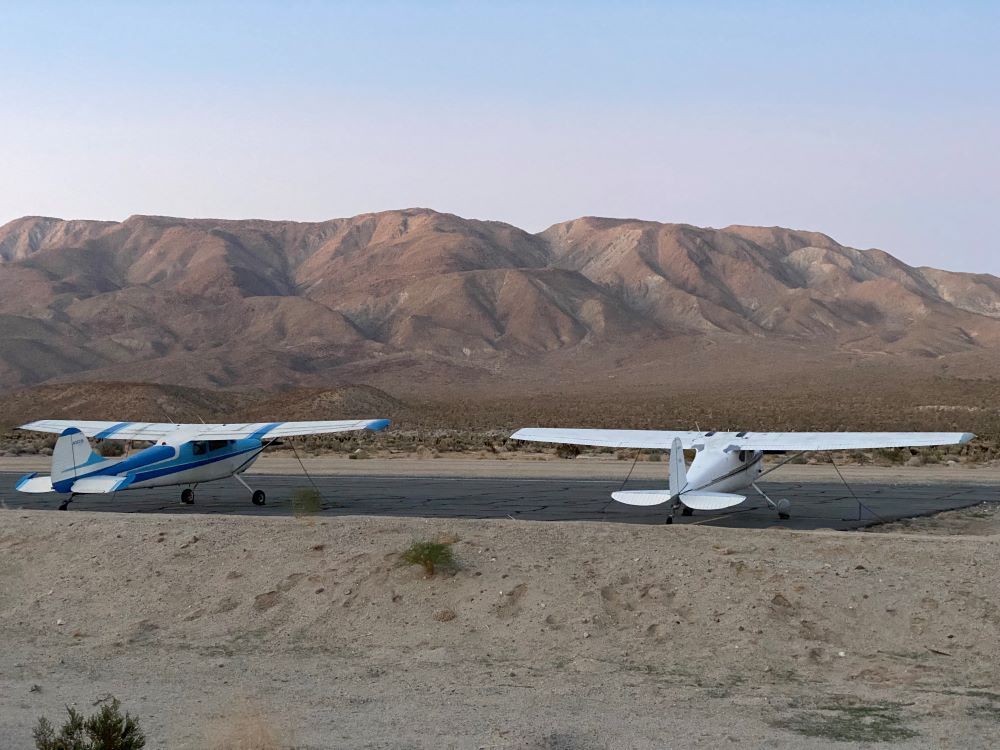
RAF California Ambassadors Mike Finkle, Howie Bohl, and California Liaison Douglas Lumgair have been working on reopening Agua Caliente Airport in east San Diego County. Until its closure in 2025, this airport in Agua Caliente County Park was a popular recreational destination for pilots. It’s within walking distance of a natural hot spring in Anza-Borrego Desert State Park. RAF's CA team has been communicating with authorities, including San Diego County’s board of supervisors, to learn the factors leading to its closure and the possibility of future public access. Finkle and Bohl have put a tremendous amount of hours into Agua Caliente efforts, and prior to an essential board meeting on September 16 about the future of the airport, Lumgair organized a Call to Action. People from the pilot community attended in person to speak – others by phone – and many more submitted comments supporting its continued public use. The board of supervisors voted to move forward with fact-finding on reopening Agua Caliente. “Now, our primary focus will be meeting with county staff to learn as much as we can about how their process is going to proceed, and how we can be part of it,” Lumgair said. The RAF appreciates everyone who responded to this Call to Action, which was shared on RAF social media and with CA supporters. Lumgair said, “Your support has gotten us over a very important first hurdle, but it appears we have a difficult road ahead of us, and we will keep you informed as things develop,” Lumgair said. Learn more about this effort on our dedicated Agua Caliente web page. Submitted September 1, 2026 Photo by Howie Bohl
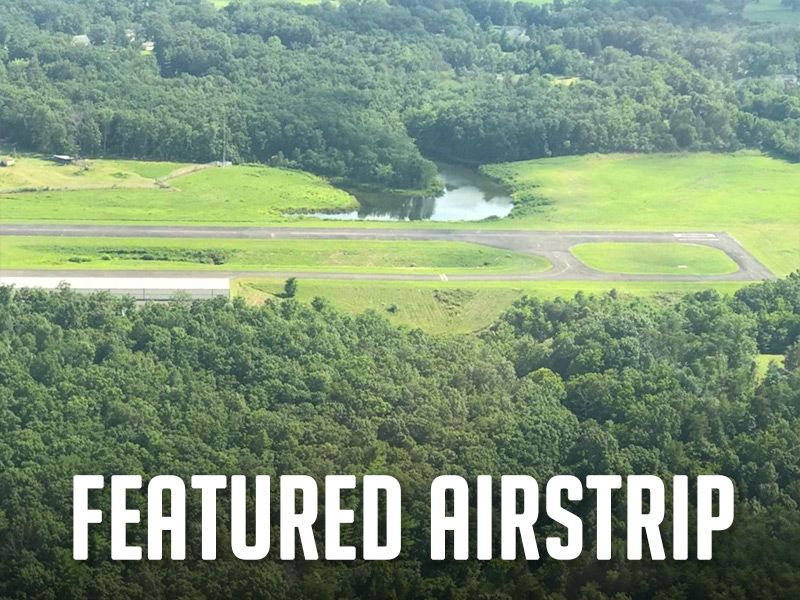
Virginia’s Front Royal-Warren County Airport lies just beyond the busy Washington ADIZ, less than 60 nm west of the congestion of Ronald Reagan International. You’ll land with the scenic backdrop of the Shenandoah Valley as the Shenandoah River winds past the iconic Blue Ridge and Massanutten Mountains. This is your ideal opportunity to land, camp, and enjoy hiking or biking the beautiful trails in George Washington National Park, just two miles away. RAF Virginia Liaison Paul Kosubinsky serves as chair of the Front Royal–Warren County Airport Commission, and knows why folks love to land there. “It’s a great little airport with a lot to offer," he says. "KFRR is the gateway to Shenandoah National Park and the Appalachian Trail, with lots of camping, hiking, canoeing, and horseback riding. It’s the best way to access all those great amenities.” Many pilots fly into KFRR and spend a night at the campsite either prior to or after hiking. Front Royal is an “AT Community,” welcoming Appalachian Trail hikers who are likely to experience what’s called “trail magic,” assistance from local strangers like a ride into town for supplies, encouragement, and other kind actions. In May 2026, Kosubinsky organized a work party with volunteers from his airport commission and the RAF. “The campsite has been transformed into a welcoming destination that pilots and campers will enjoy for years to come,” he says. They installed a new RAF-branded fire ring and stacked plenty of firewood. Fly-in campers will enjoy water, electricity, and restrooms. There is a fishing pond on the southwest corner of the property (license required). This public use airport has a paved 3,000-ft runway. (It’s hoped that a parallel turf operating area may be a future option.) Visitors have full-time access to the small terminal building. “We have a courtesy car and the cheapest fuel in the area,” Kosubinsky adds. The airport hosts active skydiving and soaring clubs, annual Wings and Wheels gatherings, and aircraft service and flight training is available. Find more on the Front Royal-Warren County Airport in the Airfield Guide . Submitted September 1, 2026 By Carmine Mowbray