WHAT I LEARNED SO YOU DON'T HAVE TO: DENSITY ALTITUDE AND MOUNTAIN WAVES
I live and work in Ohio, and like to play in the mountains, both flying and with feet on the ground. A lot of us live east of the Rockies, without the profound effects of density altitude, or that invisible mountain wave. 


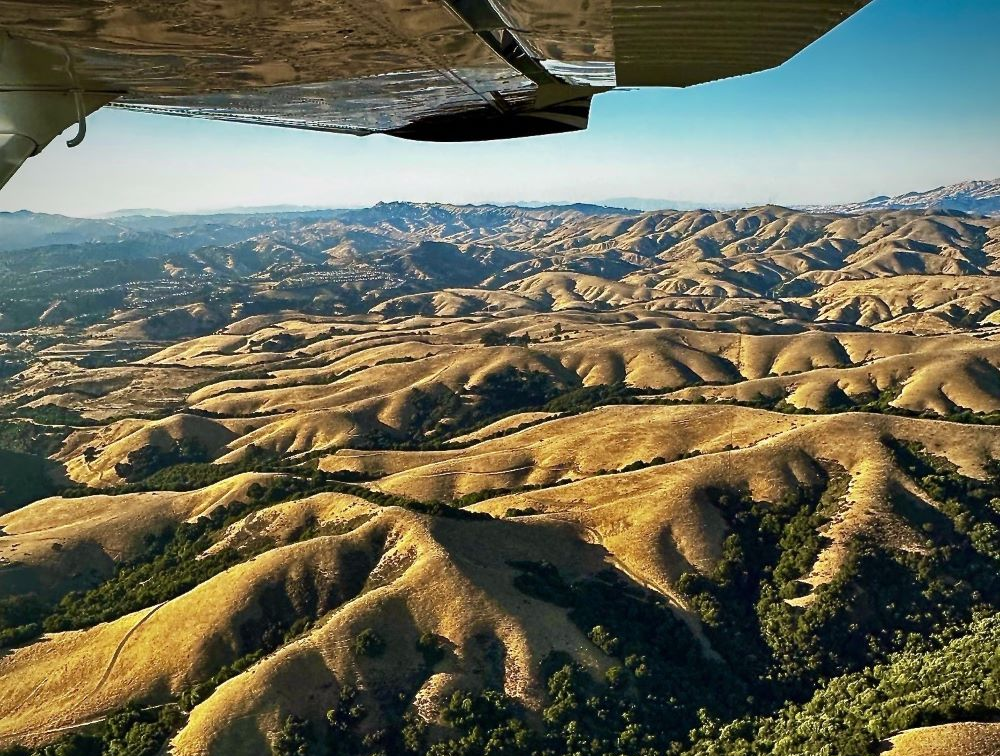
In my earnest desire to fly in the mountains I love, many years ago I registered for a backcountry flying course…in Truckee, CA. Miraculously, I made it to Reno before experiencing a mountain wave. With Truckee practically in sight and approaching the final mountain ridge, my ground speed went from 135 kts to 80 kts in an instant. I floated over the ridge, pitch expected for straight and level at 80. I will never approach a ridge crossing straight-on again. Rather, at 45º, to allow for only a 90º turn to escape safely.


Density altitude – the lack of power from high elevation coupled with above-standard temperature – gripped me when on final into Raton Municipal/Crews Field KRTN, 6,352 elevation, in a Grumman Tiger with student pilots aboard for a cross-country experience. Seduced by the gradual rising terrain westbound from Ohio, on final I realized I was sinking below the runway edge. It REALLY gifted me a profound understanding of density altitude! 


Can we safely transition to higher altitude flying? Sure! It just takes creativity and planning. Be aware of FAA hazardous attitudes, do some research, talk to experienced pilots in the places you are going, do more research, then get in your plane and practice where you live. Scenario training is great when you really lean into it.


AOPA developed Focused Flight Reviews, which include a Backcountry option, mentioned on page 4, August 2026 Flight Training. One safety tool is Vc, or “canyon speed,” coined by Amy Hoover and “Dick” Williams in their manual Mountain, Canyon, and Backcountry Flying. Contact me for info on the backcountry flying course in Truckee. I have vetted these samples of the many resources myself. Just remember, online videos and reading can be productive, but it’s your hips in the seat with other experienced pilots that really works!


For more resources, find the RAF Safety, Education, and Etiquette page here.


Submitted October 15, 2026

By Christine Mortine, CFII, DPE, RAF Safety, Education, & Etiquette Committee - Education Chair

cmortine@theraf.org

    Recent Posts

By Carmine Mowbray • November 24, 2026
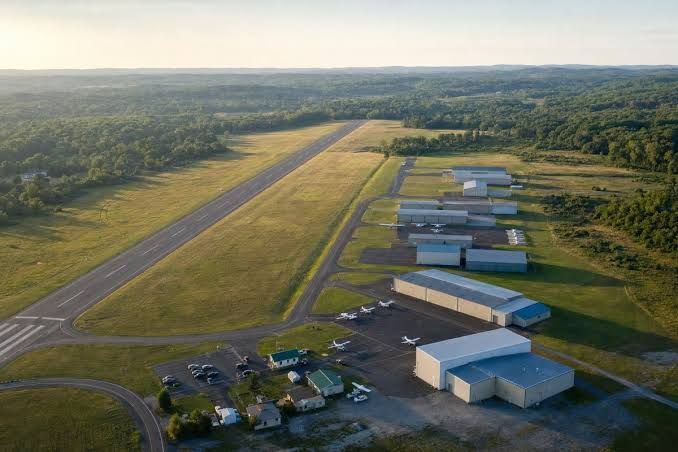
The future of historic and commercially active Andover-Aeroflex Airport in New Jersey is in jeopardy of public shutout by New Jersey’s Department of Environmental Protection (NJ DEP). The RAF joined other parties in expressing concern about NJ DEP's intention to evict all tenants, threatening the existence of this valuable recreational asset, including the legendary Andover Flight Academy. In a November 17 news release co-signed by NJ Senator Parker Space, Assembly members, the Mayor of Andover, and representatives of the Flight Academy, they announced, “After hearing directly from concerned residents and airport tenants, we took these concerns to the Department of Environmental Protection and pressed for a path to keep full operations at Andover-Aeroflex Airport.” The result is that the Department has agreed to a six-month pause for a more thorough review of the long-term viability of the airport and hangars. “The RAF is standing by, ready to help at the next step in this important preservation effort,” RAF Director Jeff Russell said. Andover Flight Academy owners Damian DelGaizo and Justine Pasniewski stated, “We are grateful that the state has agreed to an extension, giving us an opportunity to work toward a positive solution. We remain committed to ensuring Aeroflex continues to serve the aviation community for years to come.” Submitted November 24, 2026 By Carmine Mowbray
By Carmine Mowbray • November 24, 2026
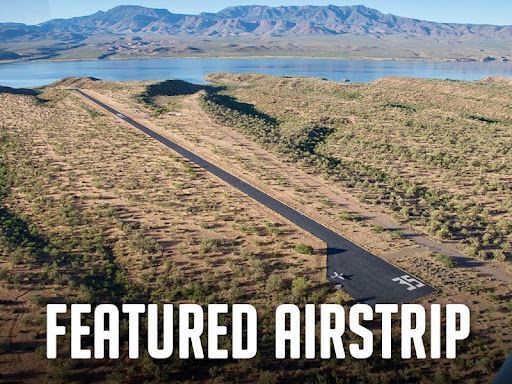
We’re featuring Arizona’s Grapevine airstrip, 88AZ, this month to highlight the recent improvement completed cooperatively by the Arizona Pilots Association (APA) and the US Forest Service. The runway is paved, and to maintain smooth and safe operations, crack sealing was finished during the October 7-8 weekend. The RAF helped coordinate the project through its Cost Share agreement with the Tonto National Forest, and the APA and the US Forest Service provided substantial funds. Tying down along Grapevine’s 3,800-ft runway puts you a short hike from Roosevelt Lake, the largest lake located entirely within the state of Arizona. It’s created by the Theodore Roosevelt masonry dam, where Teddy himself stood to dedicate it in 1911. Fishing is popular in the lake, yielding many varieties including channel catfish, and smallmouth and largemouth bass. Airstrip campers can enjoy two ramadas and fire rings provided by APA volunteers. There are two vault toilets, thanks to the RAF’s Cost Share agreement. The National Forest's Four Peaks mountains will provide some afternoon shade as you anticipate an evening of dark skies and bright stars. Visitors are invited during the more temperate months from September through April to enjoy the APA’s monthly fly-in campout and potluck dinner each third Saturday. Volunteers provide an entree, and guests are asked to bring a dish to pass. See the Grapevine page on APA’s website here for the safety briefing, RSVP contact, and other details. Pilots are reminded that the Tonto National Monument sensitive area lies less than three miles west of the airstrip, and overflights should be avoided. Visitors to the Monument can hike to two 700-year-old cliff dwellings. Learn more here . Find more about Grapevine in the Airfield Guide . Submitted November 24, 2026 By Carmine Mowbray
By RAF Board of Directors • November 24, 2026
That is where the RAF’s Expanding The Map is right now. Let’s get caught up on what your involvement has meant for the RAF this past year. And even more, let you know where we are headed in 2027 and beyond. Expanding the backcountry map across the country doesn’t come without effort or expense. We hope you will continue to support the effort, but hope isn’t just a feeling; it’s a choice. It’s action, and at the RAF it’s contagious. It’s believing there is something more; then it becomes a willingness to show up and do something about it. Your past action has helped the RAF turn our collective hope into a strategy. Take a look at the enclosed card to see just part of what we have all gotten done in 2026. We are confident you will see that the organization has been busy and, even better, been good stewards of the dollars that you send this way. We are proud of our place in the aviation space, and even more proud of the lands we have worked to make available for the enjoyment of so many.
November 24, 2026
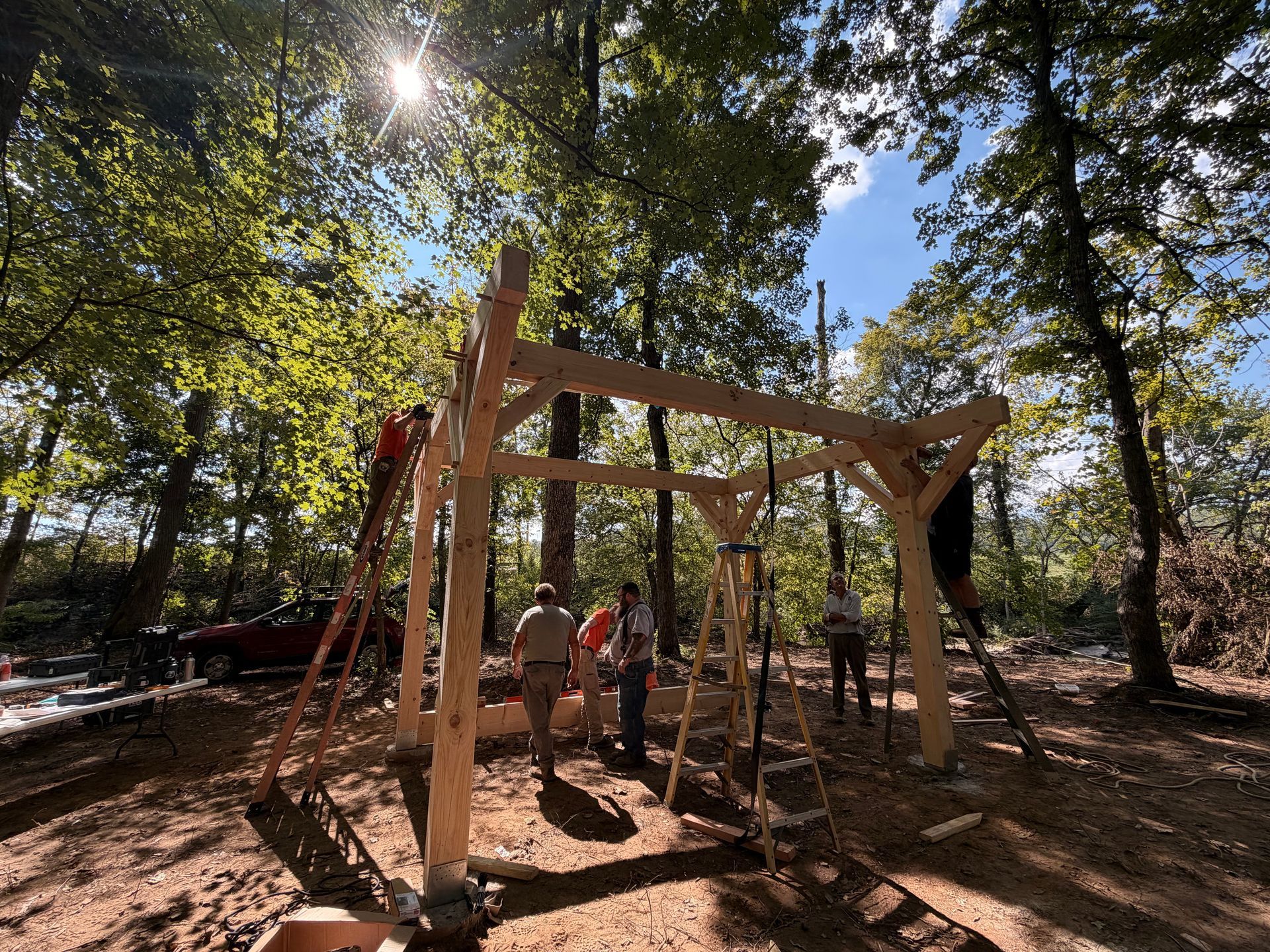
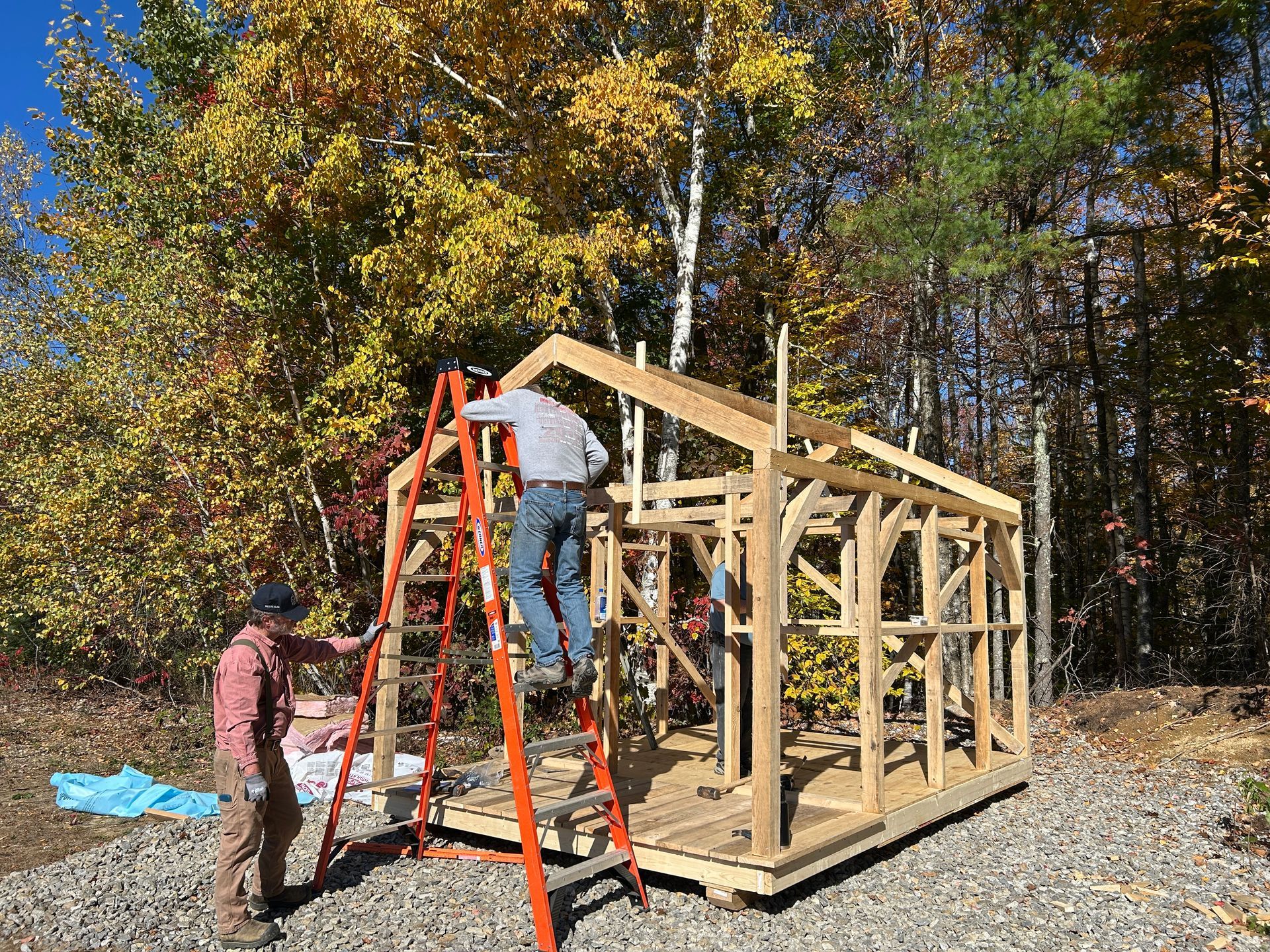
An RAF work party at Nadeau's Airfield (02ME) in October was “a real success. The shelter frame is up,” according to MA and RI Liaison Drew Lyons, completing phase one of the pilot shelter project. Using an RAF grant for materials, Lyons organized the project. RAF National RUS Liaison John Nadeau welcomes public use of his airfield in Acton, Maine. Over a mid October weekend when foliage was at peak, RAF volunteers took a pallet of rough-cut Vermont lumber and began on the shelter. Nadeau, provided the use of his pickup, tools, backhoe, quad, and hangar for the crew.
November 24, 2026
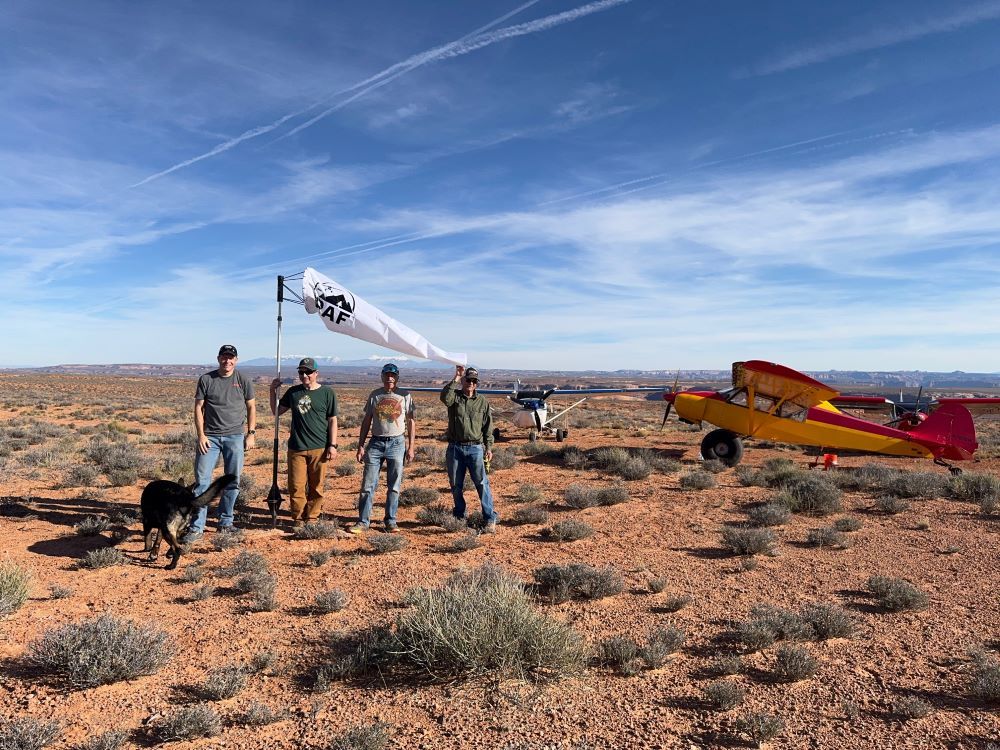
A small work party of dedicated RAF supporters got together on November 10 at the newly reopened Keg Knoll airstrip within the Labyrinth Canyon Wilderness near Arches and Canyonlands National Parks. The RAF announced the reopening of Keg Knoll as part of its Expanding The Map initiative earlier this year. Led by RAF supporter and UBCP Board member Cory Wolf, and joined by RAF supporters Ted Waltman, Dave Gallant, and Bill Gillam, the volunteers cleared vegetation from the runway, parking areas, and turnaround areas that were a puncture hazard to aircraft tires. At the BLM’s request, the vegetation was replanted along the path that leads from the main road to the airstrip that vehicles are prohibited from using. The group also removed rebar protruding from the ground and the remnant of an old windsock pole. “We also erected a new UBCP windsock pole and RAF windsock that is purposely a neutral color, in keeping with the wilderness character of the airstrip,” Wolf said. “Although the BLM was not able to attend this work party in person, the care and stewardship of Keg Knoll Airstrip is a great example of cooperative spirit and involvement between the public land manager and the volunteer pilot community, the RAF, and UBCP,” Wolf said. Visitors are reminded that all wilderness rules apply. The southwest 700 feet of the original airstrip is closed to aircraft due to sensitive vegetation. Find more about Keg Knoll, reports, and wilderness stipulations at the UBCP website and the Airfield Guide . Submitted November 24, 2026