THREAT AND ERROR MANAGEMENT IN THE BACKCOUNTRY - WHY IT MATTERS MORE
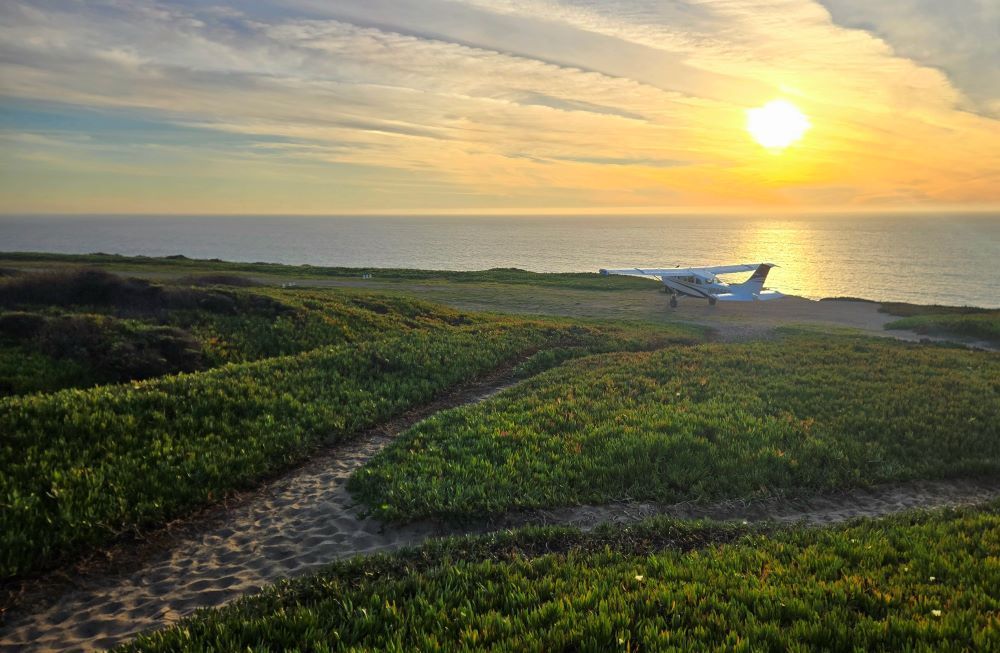
As a career pilot, Thread and Error Management (TEM) has been ingrained in how I fly. I’ve become convinced that Threat and Error Management matters more in backcountry flying than just about anywhere else.


Not because the principles are different but because the timeline for decisions is.


In “normal flying,” a poor decision often gives you time to recognize it, correct it, and move on. In the backcountry, the chain gets compressed. Threats are closer, mistakes can compound quickly, and options disappear in a hurry. By the time you realize you're behind the airplane, there may not be enough runway, climb performance, or room to recover.


That's why TEM isn't about avoiding mistakes. It's about breaking the chain before the situation starts making decisions for you.


Most of the threats are familiar. Density altitude. Winds that don't behave as forecast. Narrow strips, rising terrain, soft surfaces, visual illusions, and airplanes that perform a little differently than they did last time. Add a little fatigue, a little confidence from yesterday's success, or an eager passenger, and the margins start shrinking.


The interesting part is that accidents rarely begin with one big mistake. They usually begin with a series of small decisions that seem reasonable at the time. "The tailwind isn't that bad." "We'll climb out fine." "The approach will come together." In the aftermath of a near accident or a survived accident, we’ve heard all of these testimonials…sometimes from the voice in our own headset.


The best backcountry pilots I've flown with all seem to have one thing in common. They're willing to change the plan early. They don't wait for proof that something is wrong. If the approach isn't shaping up, they leave. If the takeoff isn't developing as expected, they abort. If the conditions don't match what they planned for, they wait or go somewhere else.


That's TEM in its simplest form: anticipate the threats, recognize when reality no longer matches the plan, and act while you still have options.


One thought has stayed with me over the years: backcountry accidents rarely begin with bold decisions…they begin with delayed decisions.


The RAF Safety, Education, and Etiquette team is looking at practical ways to apply TEM in the backcountry, including personal decision gates, arrival and departure briefs, and recognizing the traps that catch even experienced pilots. Let us know by sharing your own tips and ideas in “Comments” below.


Until then, ask yourself one question before every approach and every takeoff:


If this doesn't work exactly as planned, what's my next move?


If you have a good answer, you're probably ahead of the airplane.


Submitted August 8, 2026

By Robert Miller, RAF West Virginia Liaison & Safety, Education, and Etiquette Committee member


    Recent Posts

November 12, 2026
RAF Outfitter Holiday Sale - up to 50% off! Get a head start on your holiday shopping with the RAF Outfitter Holiday Sale! Now through December 31, enjoy up to 50% off select RAF Outfitter gear and apparel. Whether you're shopping for the backcountry pilot on your list or treating yourself to something new, it's the perfect time to stock up on your favorite RAF gear! Start shopping here ! Submitted November 12, 2026
November 12, 2026
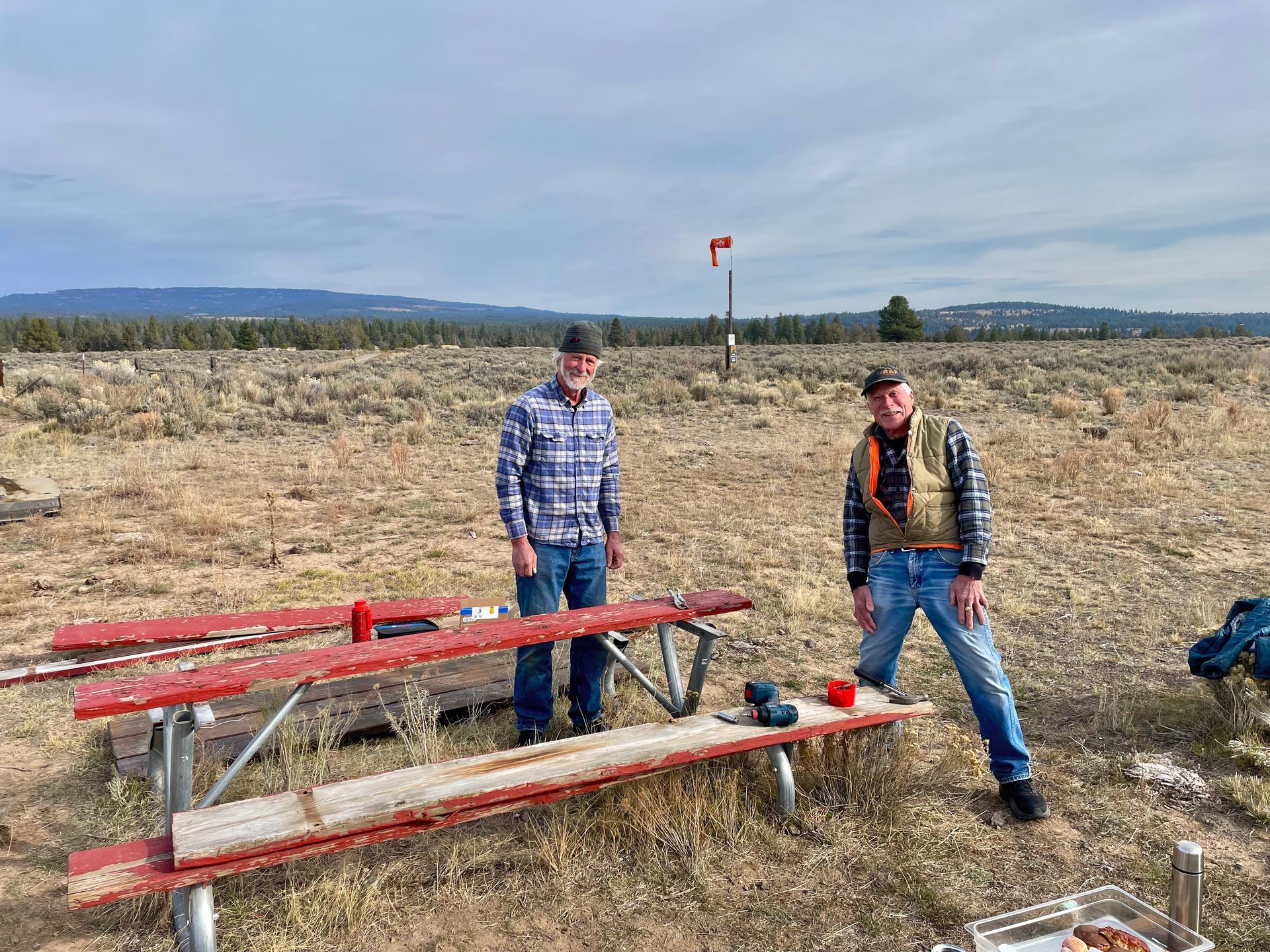
USFS Rager Guard Station Airfield in Central Oregon’s Ochoco National Forest is a popular destination for backcountry pilots. RAF volunteers have long collaborated with the USFS to undertake seasonal maintenance of the airfield. Braving early winter conditions, eight Central Oregon RAF volunteers gathered in early November to improve safety and amenities at the airfield. While fighting a nearby wildfire in 2024, the USFS brought in heavy equipment to grade and profile the 2,800-ft gravel runway. “This greatly increased safety, making it suitable for use by a wider variety of aircraft and pilot capabilities.” RAF Oregon Liaison Richard Mayes said. The RAF had previously provided a grant for the installation of a new windsock and picnic table and the rental of equipment to mow the runway, turnarounds, and parking areas. This year, Mayes reported that volunteers in five aircraft flew to the airfield while others drove two and one-half hours hauling their own equipment for mowing and grading. The team cleared overgrown brush from the runway, parking, and camping areas; mowed and leveled the gravel runway; restored a badly weathered picnic table; repainted runway markers; and installed new signage. “Paulina District Ranger Robbie Piehl expressed his appreciation for the volunteers’ commitment to maintaining the airstrip,” Mayes reported. As a result of these efforts, the District Ranger has asked that RAF investigate what may be required to reopen two other long-neglected airfields. Find more information on Rager USFS Airstrip in the Airfield Guide . Submitted November 12, 2026
November 11, 2026
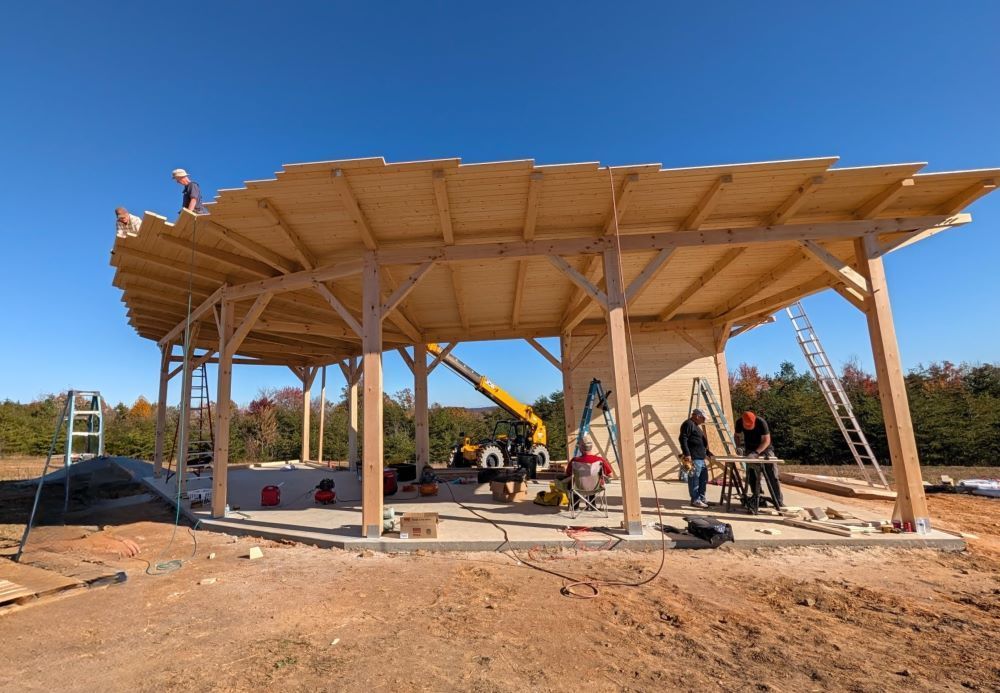
Volunteers gathered at Rockwood Airport in eastern Tennessee the first weekend of November to continue working on two Fly Rocky Top airfield projects. The RAF project leaders are Tennessee Ambassador Matt Axley and Fly Rocky Top Team Lead Jeff Smith of nearby Lenoir City. RAF Ambassadors Kevin Johnson (OR) and George Weaver (ID), along with Liaison Steve Thompson (OK), traveled to help direct the efforts, aided by dozens of local and regional volunteers, many of whom camped on site. Heavy rains had ceased, leaving morning mists and sunshine for outdoor work. The crew concentrated efforts on a large pilot pavilion at Smuggler’s Landing, the 2,400-ft turf landing area with under-wing camping at Rockwood, KRKW, which will be the basecamp for the network of up to seven backcountry airfields, as part of the RAF’s Expanding the Map initiative. In October, the crew poured concrete for the pavilion, and started building small post-and-beam picnic shelters at McGraw’s Backyard and Higdon Field. The crew focused work on McGraw’s and Smuggler’s Landing. Higdon Field is currently closed, with a planned opening date in 2027.
November 10, 2026
The 2026 RAF Photo Contest has concluded. Thanks to our supporters, we had a great turnout of submissions! Our VPs of Appreciation reviewed and judged them anonymously, selecting 20 winning photos. VP of Appreciation Cindy Cross, who facilitates photo contest submissions, said, “I love the RAF Photo Contest. After logging about 200 entries I feel like I went barnstorming around our country in 31 days. Thanks to everyone who shared their sense of adventure and the passion of flying into recreational airstrips. I can’t wait to go flying again!" Each winner will receive a package of high-quality greeting cards with their photo on the front and photo credit on the back. All photos – even those of the non-winners – are archived for possible future use in RAF publicity, including photo credit. Thank you to everyone who participated! It’s not too early to start thinking about photos for next year’s contest!
November 10, 2026
The RAF is seeking State Liaisons across the U.S.! Join our team of volunteers who find camaraderie, fulfillment, and pleasure in preserving special places.