HARPER GOODWIN

Arkansas State Liaison

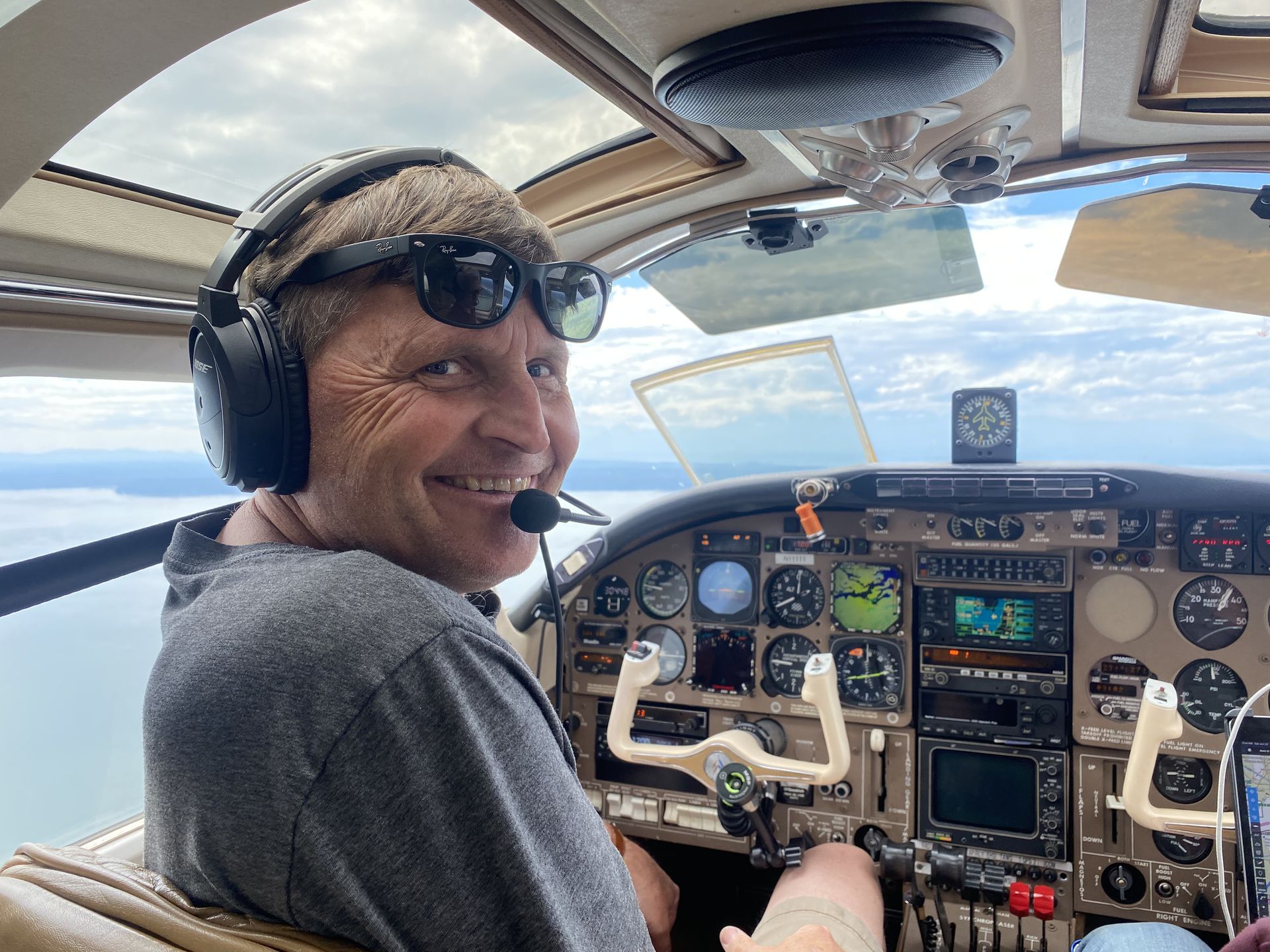
In eighth grade, Harper’s dad gave him a book, How to Become an Airline Pilot, then career day in high school “sealed the deal,” Harper says. “The job was described to me as something like, ‘Fly around the world in fast moving jets with lots of levers, knobs, gauges and important procedures, while wearing a cool uniform and hat, and, oh yes, with beautiful single women’. I was 17 and asked my dad, “Why isn’t everyone an airline pilot?”


Four years later Harper flew out of Louisiana Tech University with 500 hours and a degree in Professional Aviation, and went to work for a one-airplane company that didn’t make it, but, “I was lucky enough to spend 37 years doing exactly what I wanted to do, all the while trying very hard not to fly close to anything that wasn’t real long, real wide and pretty damn flat,” he said.
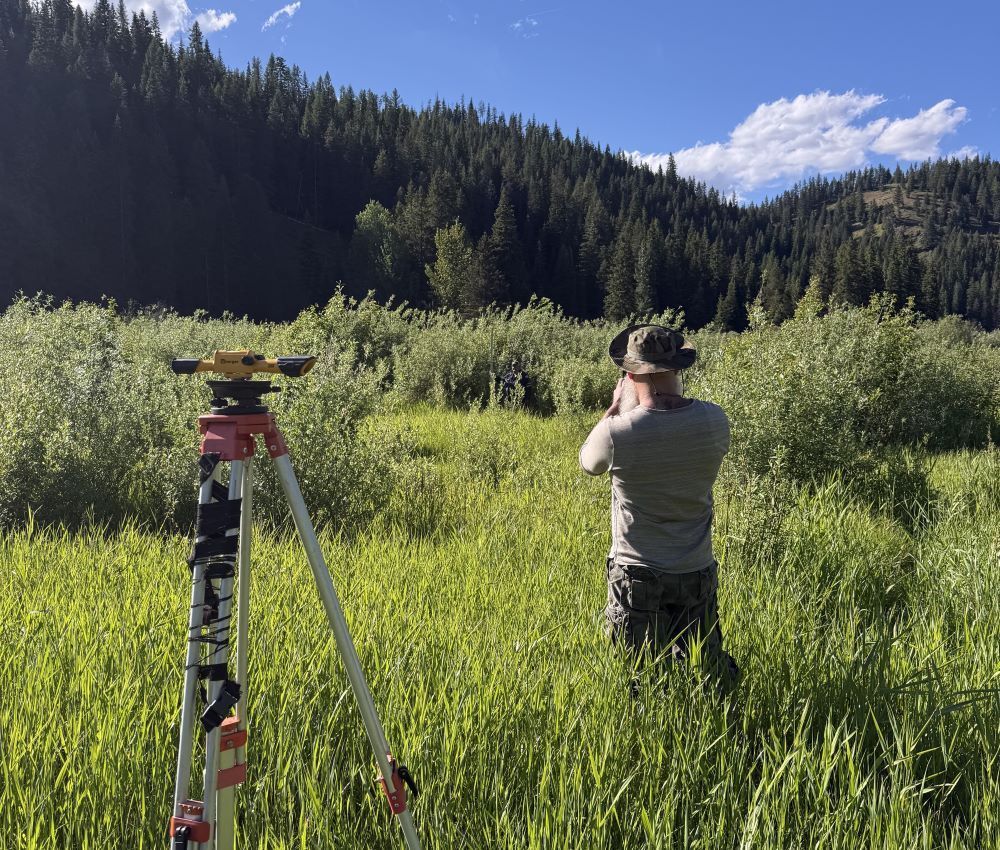
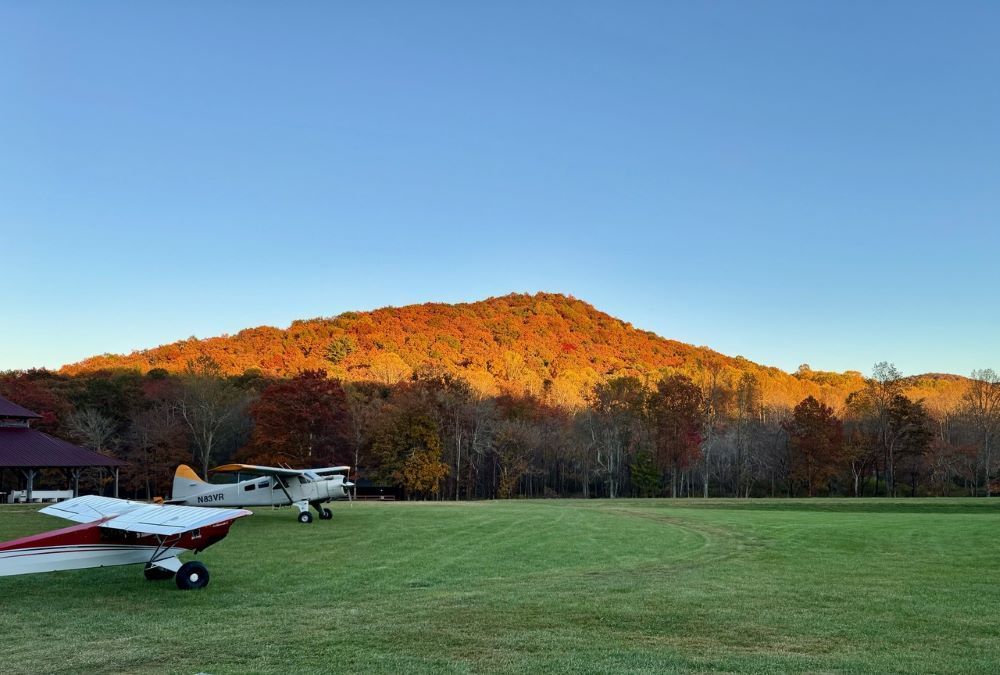
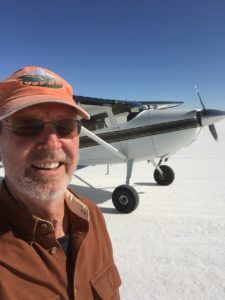
In retirement Harper bought a Cessna 210 to fly between home in Fort Worth, and property in NW Arkansas. A presentation by then-RAF Arkansas Liaison Dave Myrick about the RAF building a new airfield piqued his interest. “Well, the 210 rolled out of the hangar, and in came the Cessna 180,” Harper said, thinking, “This should be no problem, with my 20,000 hours of flying time – at least two hours in a taildragger about 40 years ago.” He goes on to explain, “Interesting to say the least. We all know how entertaining PIO’s (pilot induced oscillations) are to watch. For the rest of the story, just ask around.”

Harper now happily flies his 180, with a passion for backcountry flying and the RAF’s role in its promotion. “I have found it to be a great and worthy cause involving exceptional people,” Harper says. 

He and his wife Diane, their dog Lulu and two cats live in the woods three miles from that new Arkansas airfield, Trigger Gap.

Harper can be reached at hgoodwin@theraf.org.


Recent Posts

April 9, 2026
“The only people who can change something are the ones who really want to. And not everybody does.” When I read this, it took me back to the early days of the RAF. We saw a troubling trend taking place — the loss of airstrips across the country with no real organized voices to help put the brakes on the decline. And we really wanted to change that. Change demanded new ideas from us. Ideas that we assumed would initially be resisted. This defined our purpose. Good ideas come with the burden of effort and purpose. That separates those with a strong purpose from those without. We wanted to create an organization that would counteract the attrition of backcountry airstrips we saw taking place. We rolled up our sleeves and didn’t look back. Easy to say now that the RAF was lucky, but it was purpose that drove the organization in the early years; that really formed who we are today. A group of people with a purpose who knew we needed more people who thought like we did, and cared; people who took this idea called the RAF and added to it, keeping it unique but effective. We felt that most of the existing business models in the nonprofit space were not what we needed to be, and we pushed forward persistently with our thinking – thinking that required putting our own personal desires aside and pursuing ones that were for a greater good. You joined in. You, too, found purpose in the RAF and now look where we are. Nearly 15,000 of us are making the necessary sacrifices to make our voices heard, to create a better environment for the future of recreational aviation. We have more opportunities today because of you. Each one of us is important to continue the momentum we have gained. To determine what the RAF can do to further our mission to preserve, improve, and create airstrips for recreational access. To prioritize the many opportunities coming our way. It is about us, and what we are going to do with the time we have left on this earth. This organization will hopefully give you purpose now and in the future. Most importantly, I really hope it will give you as much sense of accomplishment as it has me. Thank you for what you continue to do. - John McKenna, RAF Chairman Submitted April 15, 2026
April 5, 2026
FEATURING: THE RAF DOG COLLECTION MODELED BY JOSIE & MUD Outfit your four-legged co-pilot for every adventure! From airplane rides to backcountry trails, this collection has everything they need to travel in comfort and style. Featuring two new additions—a stainless steel Orvis dog bowl and DawgMuffs—alongside RAF favorites like the collar, leash, and bandana. This collection includes items designed and created by RAF supporters. Shop the Dog Collection here. If you have questions, please email contact@theraf.org or call 406-582-1723. Your RAF Outfitter purchase is greatly appreciated and furthers the mission to preserve, improve, and create airstrips for recreational access. You can support the RAF mission all year by shopping at the RAF Outfitter online store. Products are being added regularly, and items are thoughtfully selected for durability and suitability for pilots, by pilots. We welcome photos of supporters using RAF gear! Please send your images to ewhite@theraf.org , and let us know if we have permission to post them on social media or our website. Submitted April 5, 2026.
April 3, 2026
Call To Action Volunteer
March 30, 2026
As you're planning your 2026 flying adventures, remember to review safety briefings for the airstrips you plan to visit. The RAF strongly recommends you review safety briefings and print a copy to have in your airplane - it's even required to fly into some airfields, like Ryan Field (2MT1). For those airfields, pilots flying in are required to review the briefing on an annual basis, and now is the perfect time to catch up on any changes to the runway/area that happened throughout the winter. You can find safety briefings on the RAF Airfield Guide . If an airfield in the Airfield Guide has a required briefing, the airfield listing will clearly indicate it and have a tab to view the briefing. Submitted March 30, 2026 Photo By Jim Stevenson
March 30, 2026
RAF Texas volunteers and Ranger Airfield Foundation volunteers helped begin restoration of the historic 1928 Ranger Airfield hangar on March 28. “A Wright biplane landed here at the field in 1911, and people have been using it ever since,” Ranger Airfield Foundation Founder Jared Calvert said. He noted that Amelia Earhart landed there in a Pitcairn Auto Gyro. Richard Bach, Pancho Barnes, and General Patton also landed at the field. It’s the oldest continuously used turf field in Texas.