FEBRUARY FEATURED AIRSTRIP: GRAPEVINE, ARIZONA
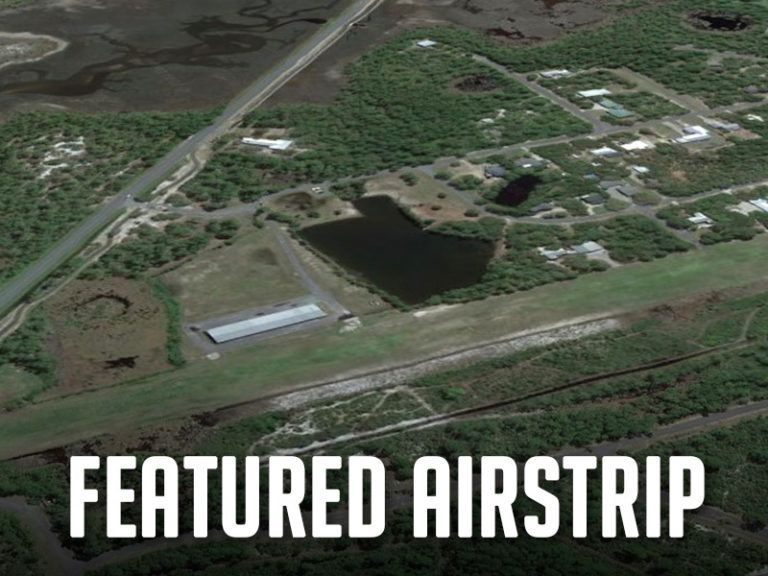
Each month we highlight an airstrip with hopes that you will get out and enjoy these special places. This month’s Featured Airstrip is Grapevine, Arizona.


Years ago, the Arizona Pilots Association recognized the value of Grapevine, an abandoned asphalt airstrip on the Tonto National Forest within the Sonoran Desert near Roosevelt Lake. “Sadly, this incredible airstrip was in ruins,” RAF Arizona Liaison Mark Spencer said. “Thanks to willing hands and open wallets of members of the Arizona Pilots Association, 99s, RAF, and cooperation by the US Forest Service, Grapevine was re-opened. Hundreds of volunteers gave their time, money, sweat and even blood to restore the airport to a safe condition,” Spencer added.


Thanks to a Master Challenge Cost Share Agreement between the Forest Service, Arizona Pilots Association, and the RAF, coordinated by Spencer, the entities invested $30,000 worth of work. Grapevine was reopened in 2012, with resealing recently completed in fall of 2022.


Since its reopening, Grapevine, 88AZ has become very popular with recreational flyers from the Phoenix area and central Arizona who seek backcountry camping experience yet prefer a paved runway. The APA and RAF makes available shade canopies, picnic tables, a fire ring with cooking grate and pit toilets seasonally. APA organizes fly-in potlucks and campouts nearly each third Saturday from September to April. Check APA’s website for event and important access information. As one of very few asphalt airstrips on Forest Service lands, it is used by National Guard helicopters, Air Force Search and Rescue training, and has been a critical part of fire operations, Spencer points out.

For information on Grapevine and a link to its Arizona Pilots Association Safety Briefing, see the Airfield Guide.


Submitted on January 30, 2023.


    Recent Posts
July 5, 2026
FEATURING: RAF PULASKI GLASSES Raise a glass to the work that keeps backcountry aviation alive! These RAF Pulaski Glasses are a perfect addition to your bar or a thoughtful gift for any aviation or backcountry enthusiast. Each glass features the RAF’s signature Pulaski tool, a tribute to the hardworking volunteers who preserve, improve, and protect airstrips across the country. Just like the tool itself, these glasses celebrate grit, utility, and a commitment to getting the job done. The Pulaski is a versatile, heavy-duty tool used for trail building, chopping wood, and clearing brush, making it an essential part of backcountry work for RAF volunteers. Made in the USA from high-quality glass, they’re built to last. Get yours today. 
By Carmine Mowbray July 1, 2026
You’d have a hard time finding a more beautiful place to fly than Driggs-Reed Memorial Airport (KDIJ). The Grand Teton, Big Hole, and Snake River mountain ranges surround this eastern Idaho valley. Driggs has become a world-class destination for the pilot community. National Geographic magazine listed Driggs as “one of the ten best outdoor recreation destinations in the U.S.” Just a 45-minute drive over Teton Pass is Jackson, Wyoming, a famous Western destination. The airport, at an elevation of 6,257, accommodates aircraft on both its 7,300-ft paved runway and 3,000-ft turf landing area, marked with cones. Note: The SW 3,451 feet of the paved runway is closed until August for reconstruction. Check NOTAMS before landing. Fly-in visitors are welcome to camp underwing at its grassy tie-down area. It’s an ideal gateway to the Idaho backcountry. Enjoy views of the nearby Teton Range from the 12' x 16' cedar pilot shelter. There is potable water, a toilet, power, a gas barbecue, and a charging station nearby. Within walking distance of the campground is the Forage restaurant. A bike shed and loaner bikes, provided by the Idaho Aviation Association Borrow-A-Bike program, are available to ride into town. If you desire a more urban experience or wish to explore further, the airport has rental cars. “It’s a great destination for the pilot community, with access to hiking, biking, fishing, floating, golf and a small town with numerous shops and restaurants,” RAF Director and Driggs resident Tim Riley says. He and a local RAF supporter recently completed a spring cleanup to ready it for the season. The amenities were provided cooperatively through the RAF, the Idaho Aviation Association (IAA), the City of Driggs, and its Airport Board, with financial contributions from each. For more information on Driggs, see the Airfield Guide . Submitted July 1, 2026 By Carmine Mowbray
June 30, 2026
It’s bear grass season around West Glacier, Montana, and nearly a score of volunteers from three different states drove in to Ryan Field June 12-13 to complete seasonal maintenance, and enjoyed spotting the showy blooms throughout the woods. Bear scat was also seen in several places – a reminder that a clean camp protects both campers and wildlife. The airfield remains closed until the new runway grass has stabilized for landing, so watch the Airfield Guide for an announcement that the field has re-opened. As a result, there was no annual Ryan Fly-in this year. Volunteers removed downed trees, cleared and marked hiking trails, mowed around the buildings and part of the runway, cleaned bear boxes, the pilot shelter, cabins, and barn. “We welcomed new volunteers and continue to work hard maintaining the field. We are as eager as everyone for the grass to take good hold so the runway can open again,” Administrative Director Tricia McKenna said. Submitted June 30, 2026
June 26, 2026
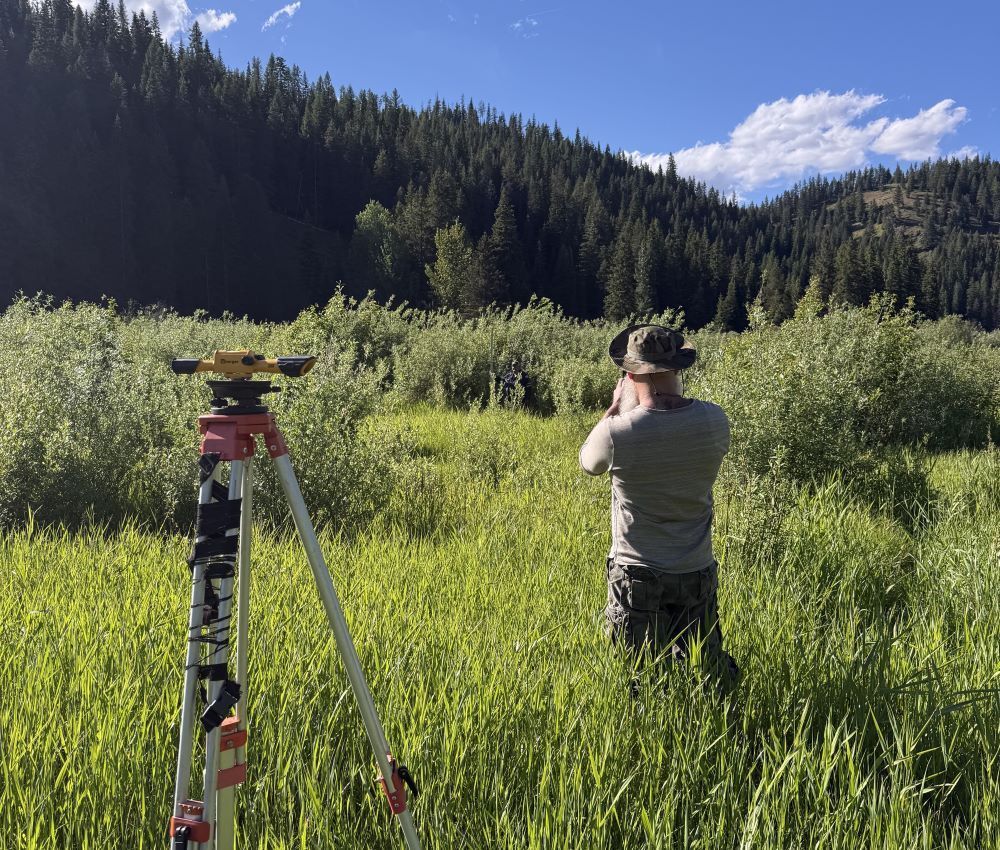
RAF President Bill McGlynn met in mid-June with the US Forest Service, Idaho Dept of Aeronautics, and Idaho Aviation Association to evaluate steps to improve Magee (S77) airstrip, 23 nm east of Coeur d’Alene. On the way, Bill picked up Joe Sober, one of two airport engineers from Oklahoma City who have volunteered their professional services and have been instrumental in creating maintenance and remediation plans on Idaho backcountry airstrips. “The Forest Service engineering teams have too much on their plate just addressing roads, so having this resource to make airstrip engineering assessments and plans is instrumental to resolving challenges on USFS airstrips like Magee,” McGlynn said. The improvement project at Magee has been organized through a Cost Share Agreement that the RAF has with the USFS. McGlynn, Sober, Willy Acton of the Idaho Airstrip Network, along with USFS District Ranger Holly Hampton, Don Macintosh of IAA, Dan Conner of Idaho Aeronautics, and RAF Idaho Ambassador George Weaver investigated the sources of flooding that plague Magee airstrip every spring and analyzed means of redirecting the problematic water. Magee airstrip was created in the 1940s by the Corps of Engineers as a hidden fighter base in case of a Japanese attack on the western US coast. A dike that was built to channel water away from the runway has eroded over the past eighty years. Sober took numerous measurements and will develop a plan to submit to the USFS for approval. Work could begin over the next year or two to recover about 700 feet of runway. “We truly could not do this work without our volunteer engineers and are very fortunate to have their expertise,” McGlynn said. Weaver said, “The airstrip is a real gem, and the restoration work will make it a great backcountry destination.” Submitted June 28, 2026
June 26, 2026
“It was really nice to spend some time with Wyoming folks cleaning up a little piece of history,” RAF WY/UT Ambassador Karen Larson said of the May 30 work party at Medicine Bow airport, on the historic US airmail route. RAF Wyoming Liaison Joe Feiler organized the work and reports that about 15 people with a wide range of backgrounds arrived at 9 am to help. Attendees included RAF supporters, EAA Chapter 420 members, local residents, as well as Lee Cook, Medicine Bow airport board member and town council member.