FEATURED AIRSTRIP: KEG KNOLL, UT
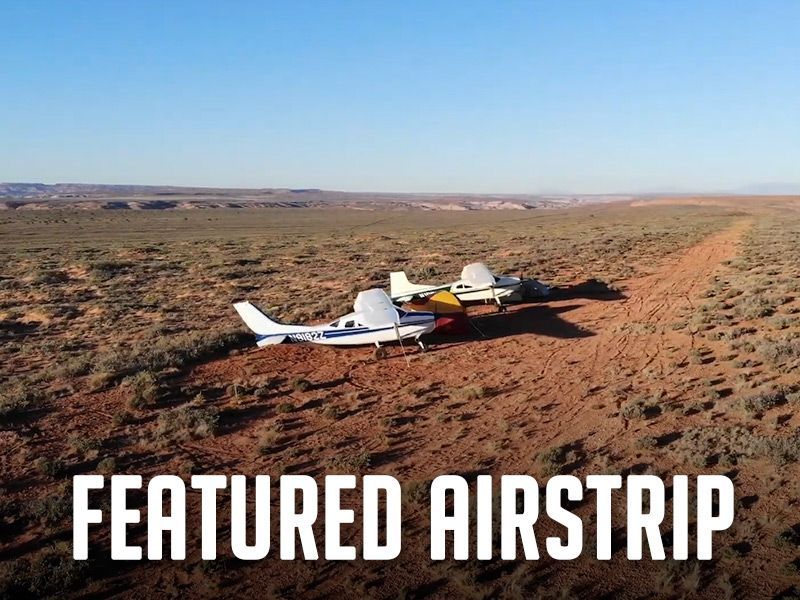
Some outdoor enthusiasts experience Utah’s Labyrinth Canyon Wilderness from the flat and peaceful water of the Green River as it goosenecks between Navajo Sandstone canyon walls, spires, and side arches. From a vantage high above, this region of stunning geologic and cultural wonders is equally as stunning. Thanks to the diligence of the RAF’s Utah Liaison Wendy Lessig, pilots may now land on a mesa overlooking the vast San Rafael Desert at Keg Knoll airstrip. This public airstrip is truly a gateway to some of Utah's most remarkable canyon country near Horseshoe Canyon and Canyonlands National Parks, offering a quiet alternative to the busy national park trails.
Lessig led an effort over the past three years to advocate for the reopening of Keg Knoll airstrip. Various meetings were organized with the BLM to explore whether the airstrip could be reopened as allowed by the Wilderness Act, leading to the BLM's decision to authorize public access earlier this year. Lessig is planning a work party at Keg Knoll this fall with BLM and Utah Back Country Pilots to further improve the airstrip. Keg Knoll Airstrip has outstanding recreational value and offers pilots ready access to a true wilderness experience. Trails take visitors past ancient stories etched in desert varnish and painted on stone. Or to Colonnade Arch – just two miles from the airstrip – much-photographed for its five time-honed windows in the sandstone.
Pilots are reminded that this airstrip lies within a Wilderness Area and all wilderness rules apply, including leaving all motorized and mechanized devices at home; no bicycles, drones, power tools, etc. The southwest 700 feet of the original airstrip is closed to aircraft due to sensitive vegetation.
Those seeking a remote, dark sky experience should put Keg Knoll on their travel plan. Bring your self-reliance, and leave nothing behind.
The RAF is thrilled that this airstrip has opened this year as part of its nationwide Expanding the Map initiative. Find out more about Keg Knoll airstrip in the
Airfield Guide and on our dedicated
web page.
Submitted August 28, 2026
By Carmine Mowbray
Recent Posts