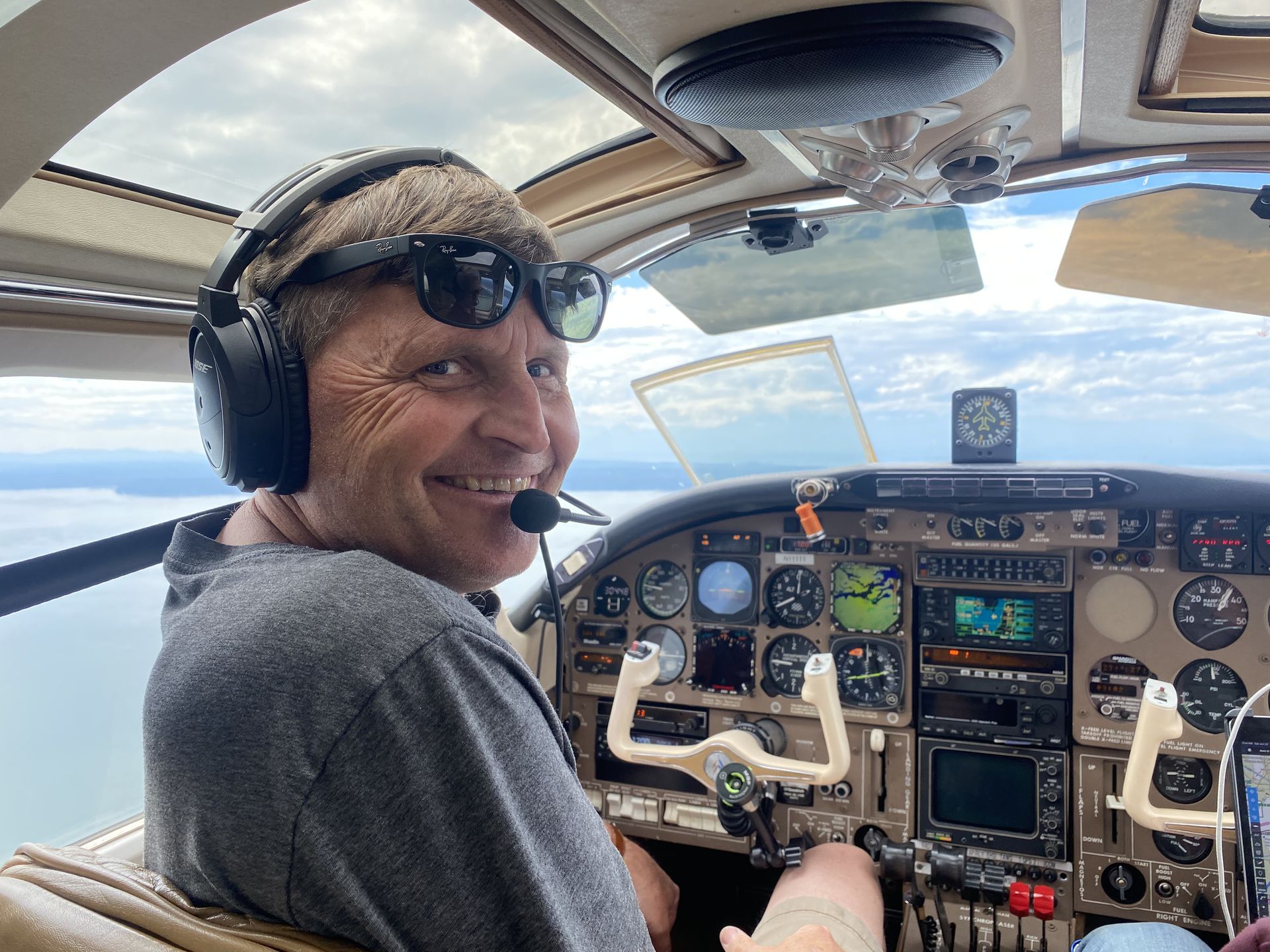
92-YEAR-OLD AIRSTRIP IN IDAHO GETS IMPROVEMENTS
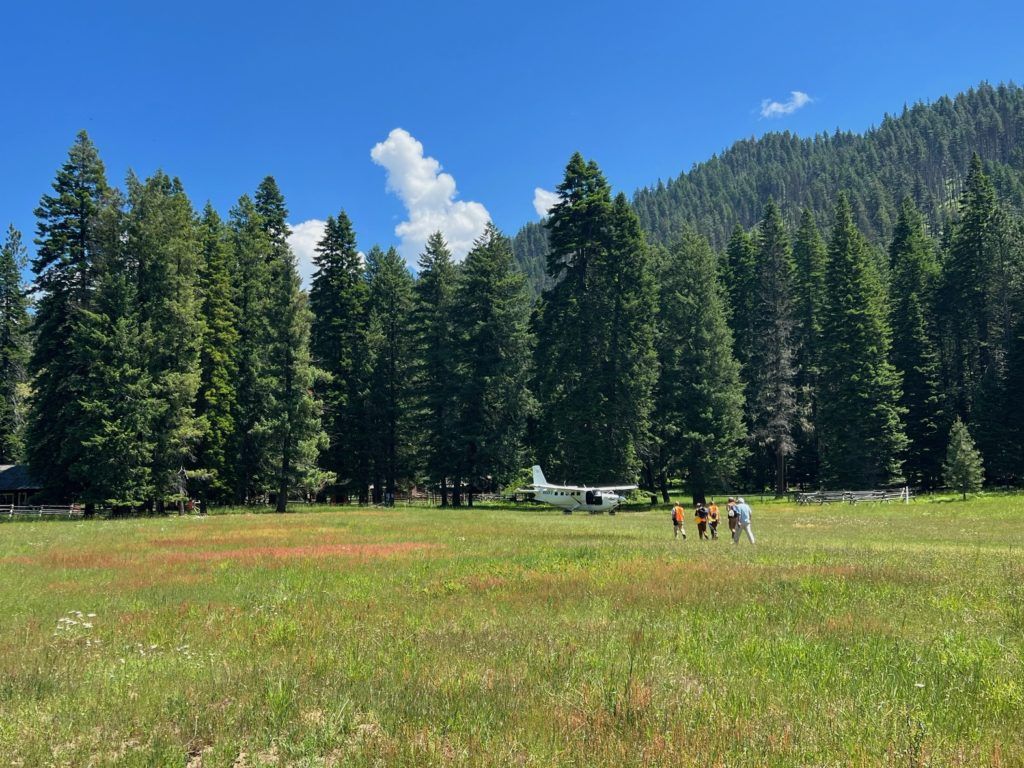
Moose Creek Ranger Station is one of the oldest in the USFS at 102 this year. The short runway (04/24) at the Ranger Station turns 92 this year. The runways were created with heavy equipment brought in piece by piece and reassembled, but once the Wilderness Act was signed in 1964, mechanized equipment was no longer allowed. The last known grading of either of the airstrips at Moose Creek was around 1958 when the long runway (01/19) was completed. Neither of the runways has had significant work done since – a testament to how well they were designed and constructed but also a witness to the low impact of aircraft on the landscape. After 60+ years, they are showing some wear – primarily due to water erosion.  

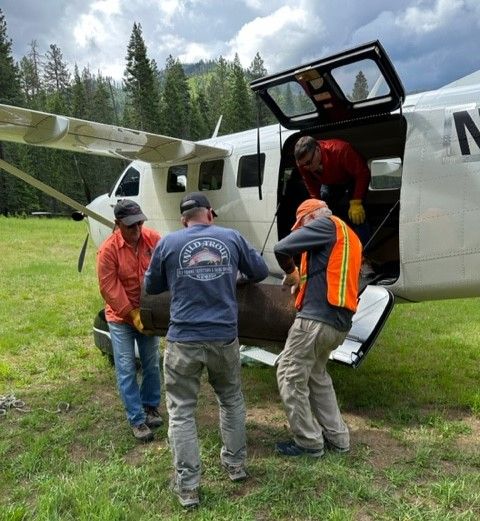
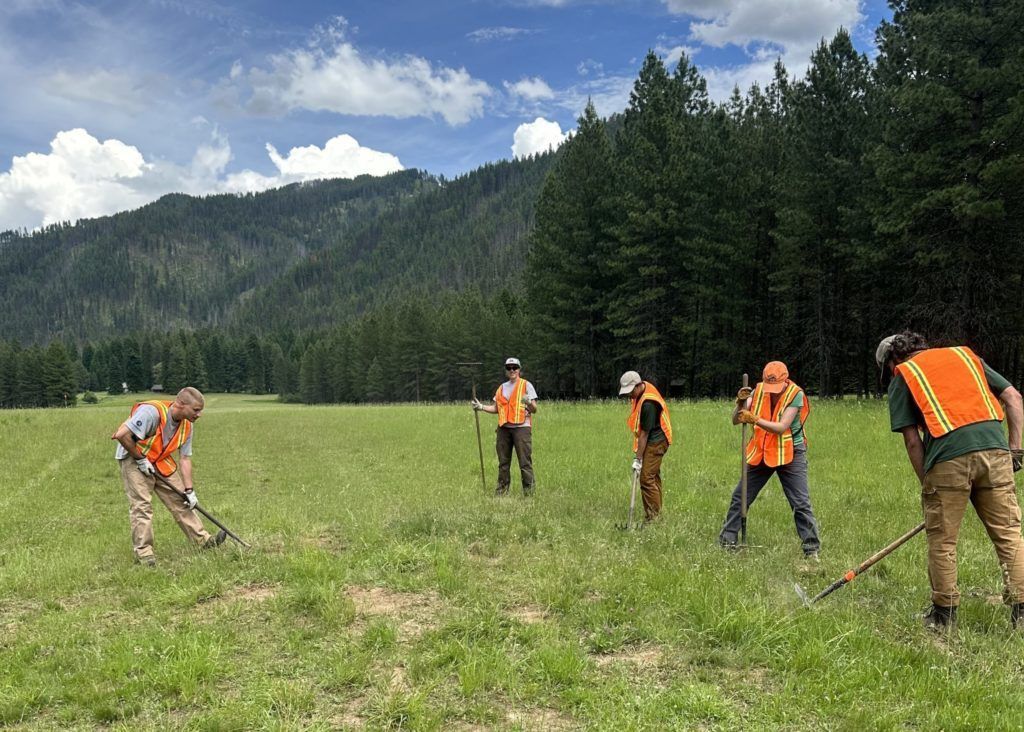
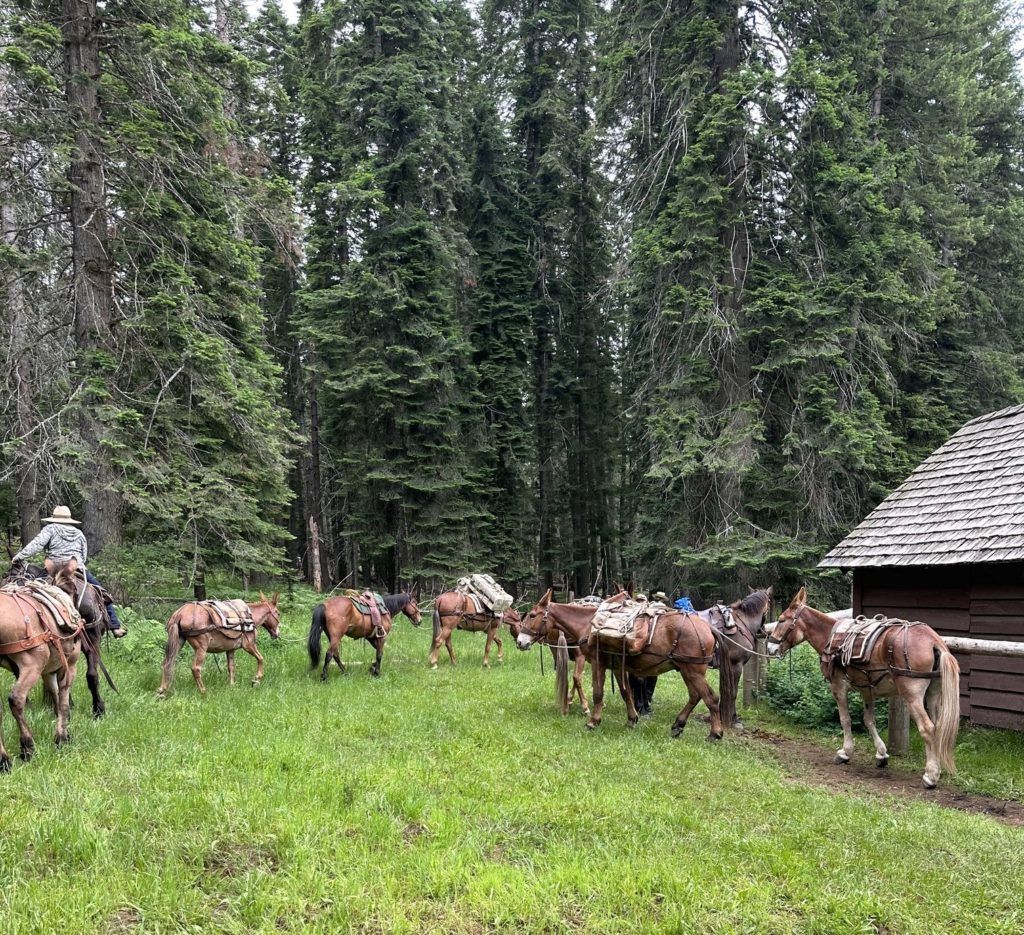
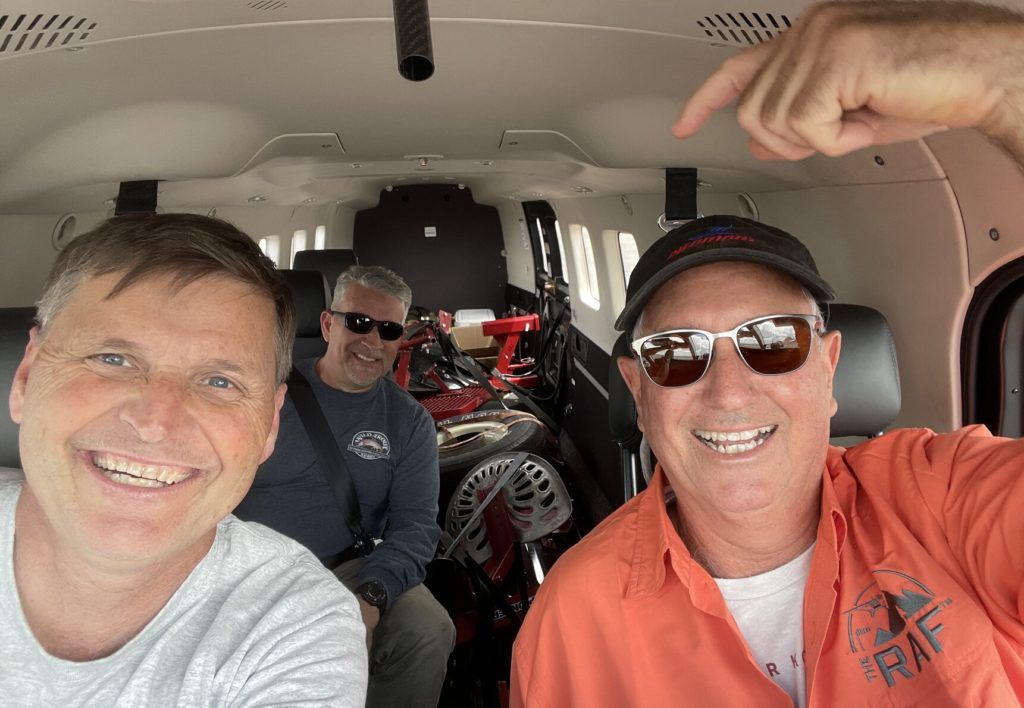
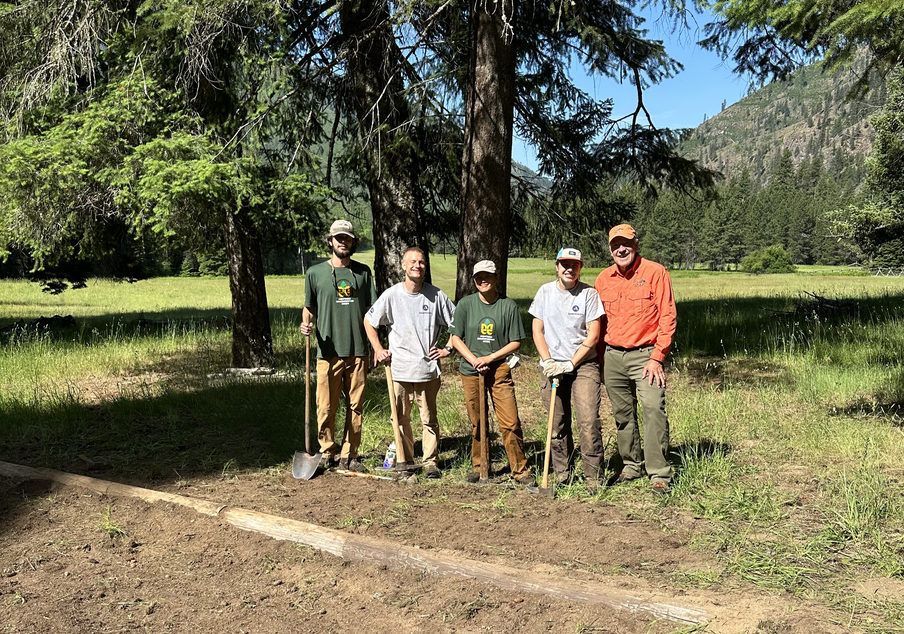
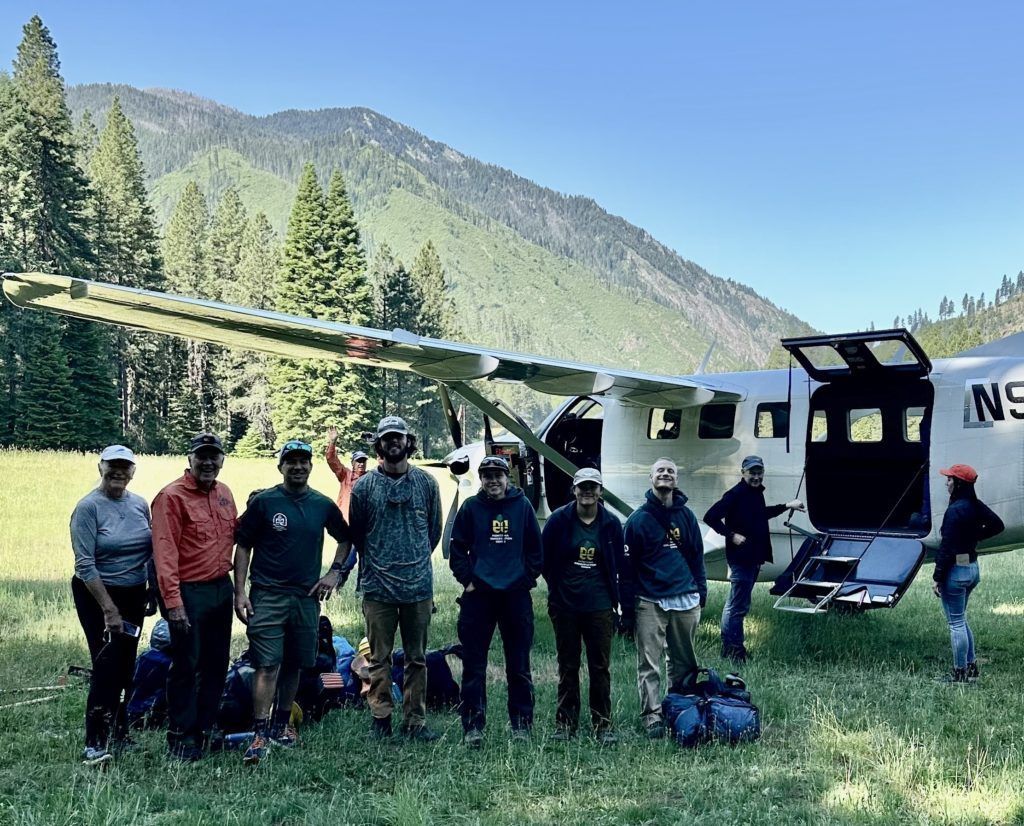
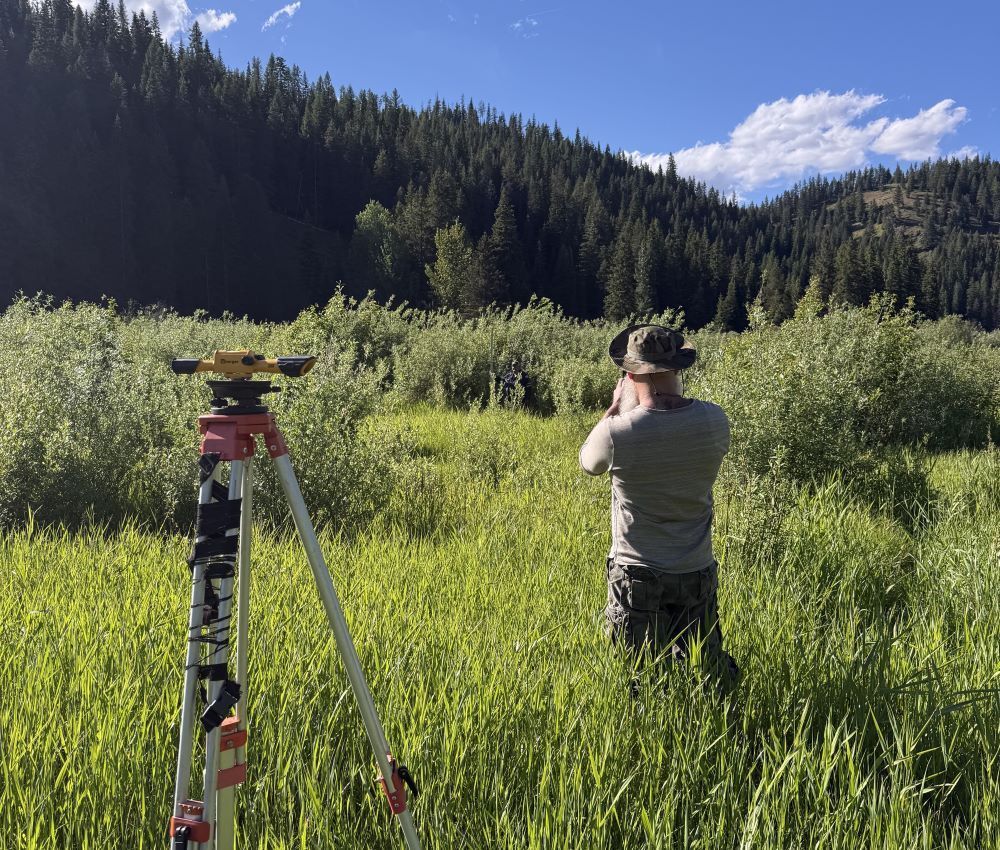
Because the Wilderness Act restricts mechanized tools, everything now must be done with hand tools or by a mule team pulling 19th century equipment. Three years ago, the RAF began assembling a plan with the Forest Service to do some needed maintenance on both runways. Using rural airstrip funding, the RAF began the effort this June, by hiring a Montana Conservation Corps (MCC) trail crew (funded by AmeriCorps) to help move dirt onto the low areas of both runways and create water diversions to prevent erosion. Just in time, Daher offered to help with the project by donating the use of one of their Kodiaks, and, as a result, equipment donated by Dave Normandeau of Thompson Falls, MT, (along with Dan and Pete Normandeau), and a runway crew were moved into Moose Creek in two days rather than weeks by other means. Over two days, the MCC crew along with RAF volunteers, moved 54 loads of soil from the tree line to the centerline of both airstrips, a water bar was installed at the head of runway 24, and a new windsock was installed at the other end. Pilot reports have since noted these improvements. The RAF isn’t done – but we have taken a big step forward. Next comes some heavier work with a mule team and dirt moving equipment.

This is a great example of how the RAF operates. The spirit of volunteerism is recognized by others who then join in to help make a project a reality. It all starts, though, with our volunteers who commit hours of time to make these projects a success:

Sparky Parker – RAF Idaho State Liaison
Steve Johnson – RAF Idaho Ambassador
Larry Taylor – RAF Idaho Supporter and former Chairman of Idaho Aviation Foundation
Ed Kronfuss – RAF Montana Supporter
Dave Irvin ( IAA District 7 Director)
Dave, Dan and Pete Normandeau, who donated dirt moving tools for the mule team.
Our volunteer Kodiak Pilots who put in hours of flying tools and teams
Steve Taylor – RAF Director
Robert Miller – RAF Supporter and Ryan Field volunteer
Special thanks to Paul Carelli – Kodiak COO who made the Kodiak donation fly
and Nicolas Chabert – CEO of Daher for the inspiration to donate the Kodiak
And of course, our partners at the USFS – Carol Hennessey, Ron Tipton, Brandon Anderson, Willy Acton, Brad Bence, Chad Pickens, and Pete Armichardy
By RAF President Bill McGlynn
Submitted on June 29, 2023.


Posted in News

    Recent Posts
July 5, 2026
FEATURING: RAF PULASKI GLASSES Raise a glass to the work that keeps backcountry aviation alive! These RAF Pulaski Glasses are a perfect addition to your bar or a thoughtful gift for any aviation or backcountry enthusiast. Each glass features the RAF’s signature Pulaski tool, a tribute to the hardworking volunteers who preserve, improve, and protect airstrips across the country. Just like the tool itself, these glasses celebrate grit, utility, and a commitment to getting the job done. The Pulaski is a versatile, heavy-duty tool used for trail building, chopping wood, and clearing brush, making it an essential part of backcountry work for RAF volunteers. Made in the USA from high-quality glass, they’re built to last. Get yours today. 
By Carmine Mowbray July 1, 2026
You’d have a hard time finding a more beautiful place to fly than Driggs-Reed Memorial Airport (KDIJ). The Grand Teton, Big Hole, and Snake River mountain ranges surround this eastern Idaho valley. Driggs has become a world-class destination for the pilot community. National Geographic magazine listed Driggs as “one of the ten best outdoor recreation destinations in the U.S.” Just a 45-minute drive over Teton Pass is Jackson, Wyoming, a famous Western destination. The airport, at an elevation of 6,257, accommodates aircraft on both its 7,300-ft paved runway and 3,000-ft turf landing area, marked with cones. Note: The SW 3,451 feet of the paved runway is closed until August for reconstruction. Check NOTAMS before landing. Fly-in visitors are welcome to camp underwing at its grassy tie-down area. It’s an ideal gateway to the Idaho backcountry. Enjoy views of the nearby Teton Range from the 12' x 16' cedar pilot shelter. There is potable water, a toilet, power, a gas barbecue, and a charging station nearby. Within walking distance of the campground is the Forage restaurant. A bike shed and loaner bikes, provided by the Idaho Aviation Association Borrow-A-Bike program, are available to ride into town. If you desire a more urban experience or wish to explore further, the airport has rental cars. “It’s a great destination for the pilot community, with access to hiking, biking, fishing, floating, golf and a small town with numerous shops and restaurants,” RAF Director and Driggs resident Tim Riley says. He and a local RAF supporter recently completed a spring cleanup to ready it for the season. The amenities were provided cooperatively through the RAF, the Idaho Aviation Association (IAA), the City of Driggs, and its Airport Board, with financial contributions from each. For more information on Driggs, see the Airfield Guide . Submitted July 1, 2026 By Carmine Mowbray
June 30, 2026
It’s bear grass season around West Glacier, Montana, and nearly a score of volunteers from three different states drove in to Ryan Field June 12-13 to complete seasonal maintenance, and enjoyed spotting the showy blooms throughout the woods. Bear scat was also seen in several places – a reminder that a clean camp protects both campers and wildlife. The airfield remains closed until the new runway grass has stabilized for landing, so watch the Airfield Guide for an announcement that the field has re-opened. As a result, there was no annual Ryan Fly-in this year. Volunteers removed downed trees, cleared and marked hiking trails, mowed around the buildings and part of the runway, cleaned bear boxes, the pilot shelter, cabins, and barn. “We welcomed new volunteers and continue to work hard maintaining the field. We are as eager as everyone for the grass to take good hold so the runway can open again,” Administrative Director Tricia McKenna said. Submitted June 30, 2026
June 26, 2026
RAF President Bill McGlynn met in mid-June with the US Forest Service, Idaho Dept of Aeronautics, and Idaho Aviation Association to evaluate steps to improve Magee (S77) airstrip, 23 nm east of Coeur d’Alene. On the way, Bill picked up Joe Sober, one of two airport engineers from Oklahoma City who have volunteered their professional services and have been instrumental in creating maintenance and remediation plans on Idaho backcountry airstrips. “The Forest Service engineering teams have too much on their plate just addressing roads, so having this resource to make airstrip engineering assessments and plans is instrumental to resolving challenges on USFS airstrips like Magee,” McGlynn said. The improvement project at Magee has been organized through a Cost Share Agreement that the RAF has with the USFS. McGlynn, Sober, Willy Acton of the Idaho Airstrip Network, along with USFS District Ranger Holly Hampton, Don Macintosh of IAA, Dan Conner of Idaho Aeronautics, and RAF Idaho Ambassador George Weaver investigated the sources of flooding that plague Magee airstrip every spring and analyzed means of redirecting the problematic water. Magee airstrip was created in the 1940s by the Corps of Engineers as a hidden fighter base in case of a Japanese attack on the western US coast. A dike that was built to channel water away from the runway has eroded over the past eighty years. Sober took numerous measurements and will develop a plan to submit to the USFS for approval. Work could begin over the next year or two to recover about 700 feet of runway. “We truly could not do this work without our volunteer engineers and are very fortunate to have their expertise,” McGlynn said. Weaver said, “The airstrip is a real gem, and the restoration work will make it a great backcountry destination.” Submitted June 28, 2026
June 26, 2026
“It was really nice to spend some time with Wyoming folks cleaning up a little piece of history,” RAF WY/UT Ambassador Karen Larson said of the May 30 work party at Medicine Bow airport, on the historic US airmail route. RAF Wyoming Liaison Joe Feiler organized the work and reports that about 15 people with a wide range of backgrounds arrived at 9 am to help. Attendees included RAF supporters, EAA Chapter 420 members, local residents, as well as Lee Cook, Medicine Bow airport board member and town council member.