WORTH THE READ: ROY EVANS II GUEST EDITORIAL
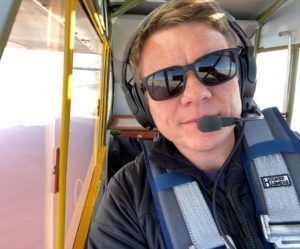
Our many RAF supporters have such vast and varied experience, and we’re capturing some of their words of wisdom to share with you. This month’s guest editorial is by Roy Evans II, the President of Utah Back Country Pilots Association.

Throughout my journey in aviation, I’ve been guided by many mentors. In my adolescence, I found myself taxiing across a spacious apron following the tire tracks of countless flight students like me. Immediately my instructor slammed the brakes, turned towards me in the tight confines of that Cessna 152 and asked me, “What do you want to be when you grow up?” I quickly replied, “I want to be a professional pilot.” Twice as fast as I had replied, my instructor said, “Then start right now and get on the yellow line.”

The benefits of an active, engaging mentor/mentee relationship are often overlooked. Our modern, connected lives rarely find time for the peace and solace many of us find while flying and enjoying the backcountry.

In the state of Utah, we are the benefactors of the exemplary stewardship of recreational aviators who enjoy our historic, unparalleled backcountry. When two members of the Utah Back Country Pilots Association were out enjoying a fair weather day and landed at an airstrip they were met by park rangers. When questioned about pilots’ rights in landing at this airstrip, their true professionalism shone. What transpired over those tense moments for these two became the foundation that our organization has been striving for. Their innate stewardship for aviation’s access to our public lands made the impossible happen. Utah’s first airstrip located in a state park, Temple Mountain, once on the chopping block of existence, now thrives as an airstrip with access to Goblin Valley State Park. 

Etiquette and customs traverse generations — not in books or signs — but in actions. Each time we roll our tires in the backcountry, our impacts on the future of recreational aviation are felt across the world. Learning more about how we can turn our errant marks into positive impressions lies in our individual efforts to engage with those who’ve made this all possible, and the organizations that perpetuate those impressions to the impressionable. Whether it be your membership dues, your participation in work parties and public comment periods, many times a simple email or phone call can bridge the gaps our adversaries exploit in restricting or removing one of America’s greatest freedoms. 

While we all will find ourselves straying from the yellow lines from time to time, it’s important to surround ourselves with those with the passion to help us steer back on course. Organizations such as the UBCP, Idaho Aviation Association, Montana Pilots Association, and RAF are chock full of mentors looking for ways to help preserve and protect backcountry flying, and I know they would love an extra set of hands. During this winter season, while many of us wait for the snow and the skies to clear, let’s take this time to engage with our local aviation community. Find a mentor who will empower you to continue to make better aeronautical decisions; and prepare ourselves to serve in a similar role. Start making better decisions today that will provide even more opportunities for recreational aviation in the future, and find joy in keeping the dreams of backcountry flying alive.

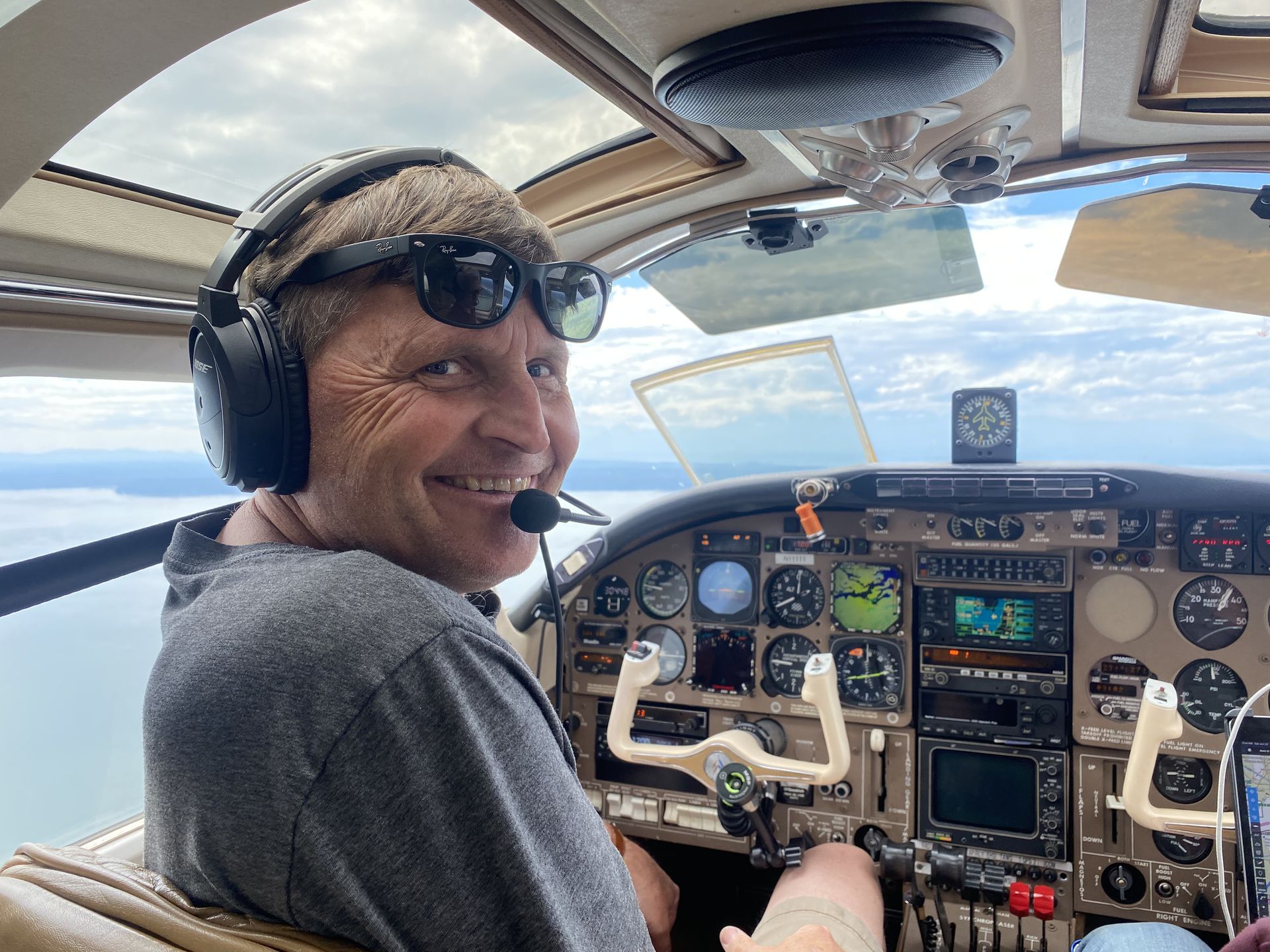
Roy Evans II has been flying airplanes since he was eight years old. Having the opportunity to make a career out of being a professional aviator, Roy volunteers as the President of the Utah Back Country Pilots Association, preserving and protecting Utah’s backcountry airstrips while enhancing the safety of pilots across the west.


When his chores are done, he’s likely flying around in his Cub Special with one of his children in the back teaching them how to read a sectional while navigating them to the nearest huckleberry milkshake. 


Submitted December 21, 2023.

Recent Posts
April 9, 2026
“The only people who can change something are the ones who really want to. And not everybody does.” When I read this, it took me back to the early days of the RAF. We saw a troubling trend taking place — the loss of airstrips across the country with no real organized voices to help put the brakes on the decline. And we really wanted to change that. Change demanded new ideas from us. Ideas that we assumed would initially be resisted. This defined our purpose. Good ideas come with the burden of effort and purpose. That separates those with a strong purpose from those without. We wanted to create an organization that would counteract the attrition of backcountry airstrips we saw taking place. We rolled up our sleeves and didn’t look back. Easy to say now that the RAF was lucky, but it was purpose that drove the organization in the early years; that really formed who we are today. A group of people with a purpose who knew we needed more people who thought like we did, and cared; people who took this idea called the RAF and added to it, keeping it unique but effective. We felt that most of the existing business models in the nonprofit space were not what we needed to be, and we pushed forward persistently with our thinking – thinking that required putting our own personal desires aside and pursuing ones that were for a greater good. You joined in. You, too, found purpose in the RAF and now look where we are. Nearly 15,000 of us are making the necessary sacrifices to make our voices heard, to create a better environment for the future of recreational aviation. We have more opportunities today because of you. Each one of us is important to continue the momentum we have gained. To determine what the RAF can do to further our mission to preserve, improve, and create airstrips for recreational access. To prioritize the many opportunities coming our way. It is about us, and what we are going to do with the time we have left on this earth. This organization will hopefully give you purpose now and in the future. Most importantly, I really hope it will give you as much sense of accomplishment as it has me. Thank you for what you continue to do. - John McKenna, RAF Chairman Submitted April 15, 2026
April 5, 2026
FEATURING: THE RAF DOG COLLECTION MODELED BY JOSIE & MUD Outfit your four-legged co-pilot for every adventure! From airplane rides to backcountry trails, this collection has everything they need to travel in comfort and style. Featuring two new additions—a stainless steel Orvis dog bowl and DawgMuffs—alongside RAF favorites like the collar, leash, and bandana. This collection includes items designed and created by RAF supporters. Shop the Dog Collection here. If you have questions, please email contact@theraf.org or call 406-582-1723. Your RAF Outfitter purchase is greatly appreciated and furthers the mission to preserve, improve, and create airstrips for recreational access. You can support the RAF mission all year by shopping at the RAF Outfitter online store. Products are being added regularly, and items are thoughtfully selected for durability and suitability for pilots, by pilots. We welcome photos of supporters using RAF gear! Please send your images to ewhite@theraf.org , and let us know if we have permission to post them on social media or our website. Submitted April 5, 2026.
April 3, 2026
Call To Action Volunteer
March 30, 2026
As you're planning your 2026 flying adventures, remember to review safety briefings for the airstrips you plan to visit. The RAF strongly recommends you review safety briefings and print a copy to have in your airplane - it's even required to fly into some airfields, like Ryan Field (2MT1). For those airfields, pilots flying in are required to review the briefing on an annual basis, and now is the perfect time to catch up on any changes to the runway/area that happened throughout the winter. You can find safety briefings on the RAF Airfield Guide . If an airfield in the Airfield Guide has a required briefing, the airfield listing will clearly indicate it and have a tab to view the briefing. Submitted March 30, 2026 Photo By Jim Stevenson
March 30, 2026
RAF Texas volunteers and Ranger Airfield Foundation volunteers helped begin restoration of the historic 1928 Ranger Airfield hangar on March 28. “A Wright biplane landed here at the field in 1911, and people have been using it ever since,” Ranger Airfield Foundation Founder Jared Calvert said. He noted that Amelia Earhart landed there in a Pitcairn Auto Gyro. Richard Bach, Pancho Barnes, and General Patton also landed at the field. It’s the oldest continuously used turf field in Texas.