WORTH THE READ: MIKE TODD GUEST EDITORIAL
Our many RAF supporters have such vast and varied experience, and we’re capturing some of their words of wisdom to share with you. This month’s guest editorial is from Mike Todd, a career pilot and longtime RAF Supporter.
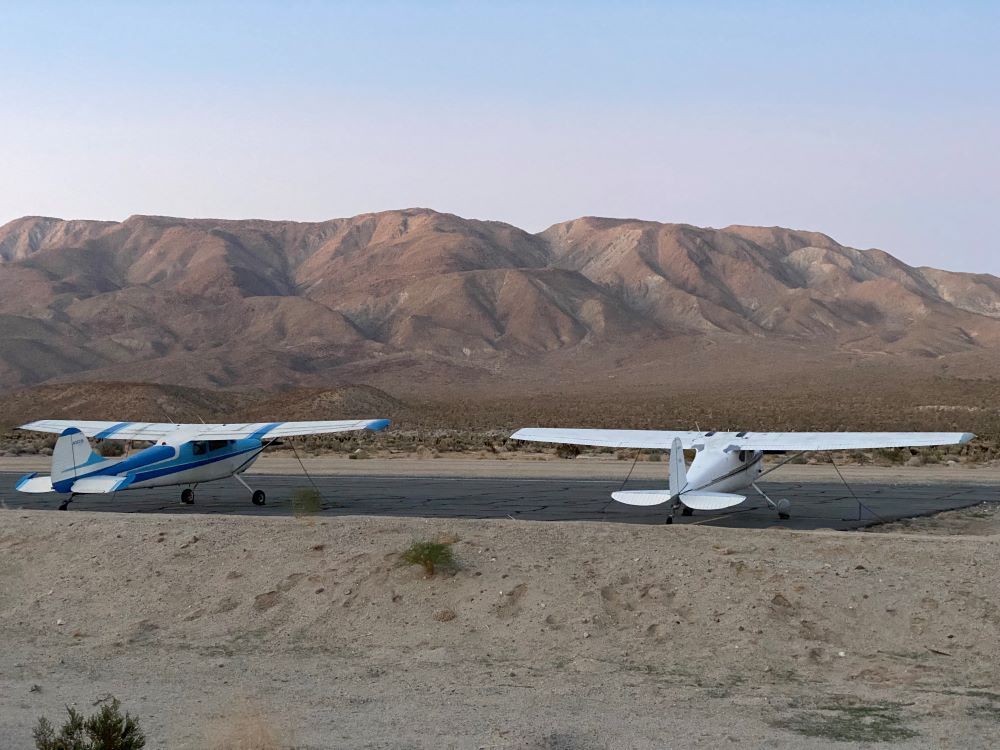
You might think that it would get old and stale, this flying thing. Modern avionics make navigation accurate and easy, and we have equipment that monitors every parameter of the engine that keeps us safely in the air, warning us if something is amiss. We have auto flight systems available for our light airplanes, even old ones like my 1956 Cessna 180, that rival those that have taken us around the world in jets. We take pride in answering the challenge of keeping skills current and working with others in the air traffic system to operate safely in busy airspace. But even with all the help from modern devices and equipment, there is still romance in flight. There is still a special feel with that “almost perfect” touchdown on a grass runway, and the sound of the cylinders cooling when there is no other sound than those of nature. It’s been that way for fifty six years and well over thirty thousand hours for me, and you would think I’d get over it.
But there is something special about flying in general, and flying in the United States of America in particular. While light airplane aviation is alive all around the world, it’s different here. We enjoy freedom of flight that is unique to only a few places in the world. Non flyers are sometimes surprised to find that I live next to a runway where I can fly whenever and pretty much wherever I choose, and back when I earned my living flying big airplanes, some of my compatriots looked at my pictures and listened to my stories of flying the backcountry with a curious look in their eye. Nowadays, I sometimes meet up with some of those airline friends in the back country. I’d like to think I had something to do with that.
On a nice August morning last Summer, I loaded a few tools into our 180 and pushed it out of its hangar into pre-dawn light. Some of the neighbors heard the engine start up, and more of them heard us leave. The 180 isn’t quiet at takeoff power, but we wound the prop back a bit, and as it is in the backcountry, that sound has a nice decrescendo, fading to quiet in just a moment or two, so the sleepy-heads went back to dreams, or thoughts of driving to work.
We climbed out over the Washington Cascades and put the autopilot to work, munching on a breakfast muffin as we watched the Big Bend country of the Columbia river transition to the western Rocky Mountains and river drainages of the Pend Oreille, Clark Fork, and Flathead. My good old friend, the 180 was a magic carpet, and the scenery below was a demonstration of all those things the Geology Professor told us about way back when we were young and in a hurry.
The mission that morning was to join friends from the Recreational Aviation Foundation at a cabin raising party at Ryan Field, the place Ben and Butchie Ryan carved out of the rocks and trees on the west slope of the Flathead Range, just outside the entrance to Glacier National Park. The Ryan story is symbolic of the mission of the RAF. It’s a story of a loving couple who created a dream they wanted to keep alive, and an organization of people dedicated to making sure that happened. The Ryans are gone now, and the future of Ryan Field is protected under the stewardship of the RAF. The airstrip is still special and requires some backcountry skill and care, but that is part of the character of the place. And thanks to the hard work, imagination, and financial backing of volunteers and supporters a big timber frame barn, as well as a pilot shelter, and those rustic cabins make Ryan Field a truly unique experience.
For many of us in the West, Ryan Field is the poster child for the mission of the RAF, but it’s just a bookend to what is happening with the organization, and thanks to the efforts of aviators and supporters across the land, great things are happening in the name of Recreational Aviation from Alaska to Florida and California to Maine. Congratulations to the RAF on the first twenty years. Keep up the good work, I’ll look forward to seeing you “Out there”.
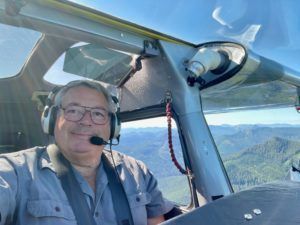
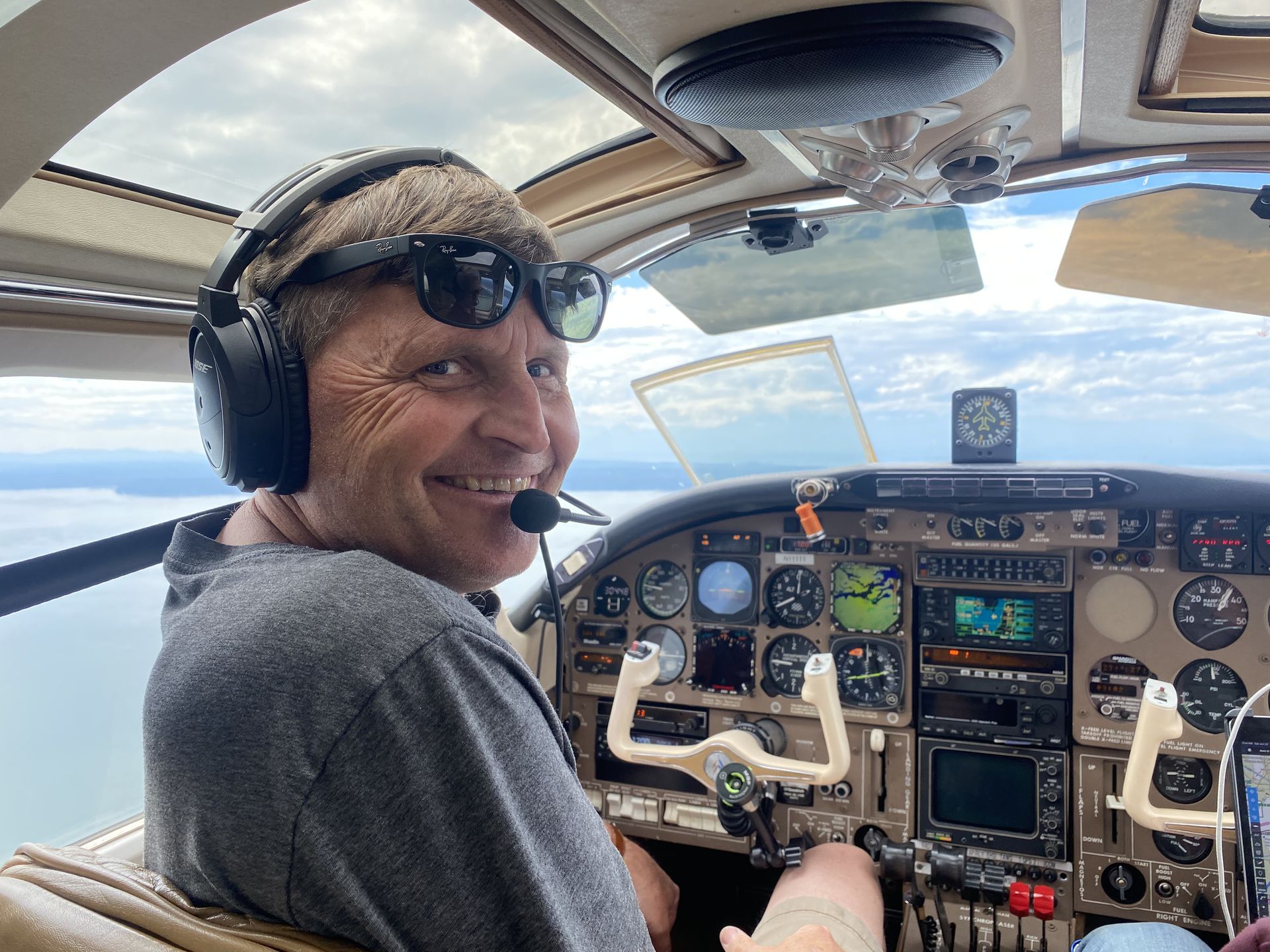
Growing up in the Pacific Northwest, the Backcountry and airplanes have been in Mike’s blood from his earliest days. He started flying in 1967, and his first plane, a somewhat neglected 1946 Aeronca Champ came out of the airport weeds and into his life when he was a junior in High School. College in the Midwest brought a degree in Aviation as well as his first flying job, and from there he was fortunate to make a living flying around the world, working up the ladder from Twin Otters in Alaska to 747’s at United. The old Champ introduced him to grass runways and backcountry places around the country, and seven years into retirement, those places, as well as the Super Cub and Cessna 180 that share his hangar with the old Champ continue to be his passions.
Submitted on May 23, 2023.
Recent Posts