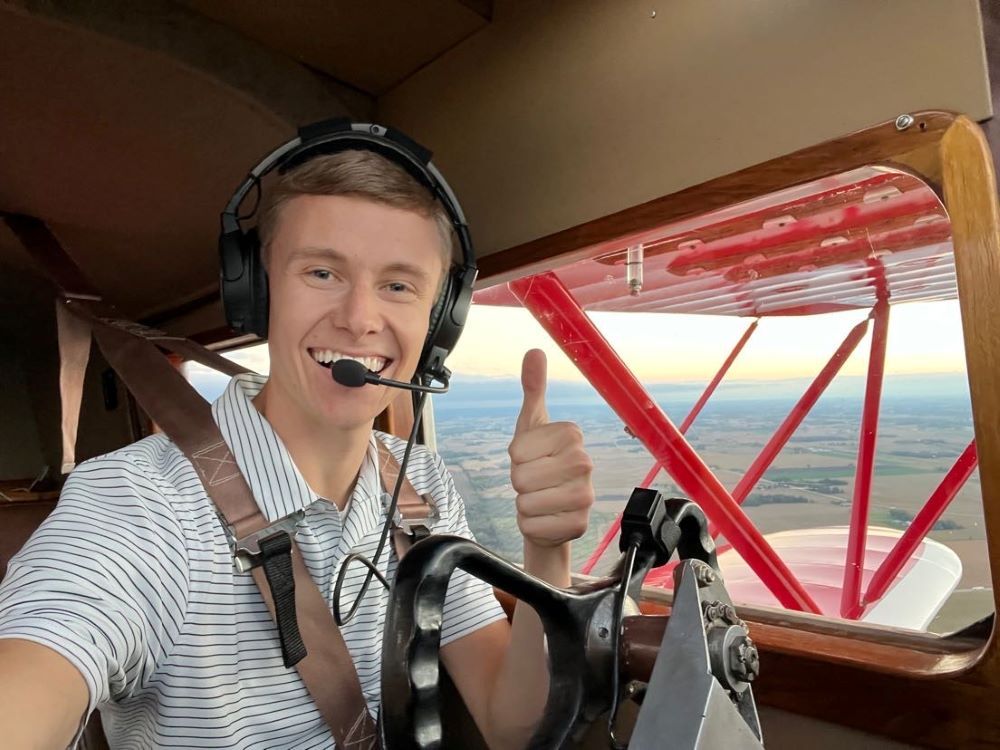
Luke Lachendro is a Wisconsin RAF Ambassador and founder of Aviation Asset Management Group. He grew up on a private airstrip and has built a career around his lifelong passion for aviation, helping clients navigate aircraft ownership and management. An active volunteer and advocate for recreational flying, Luke is committed to giving back to the aviation community that shaped his journey.
WORTH THE READ: LUKE LACHENDRO GUEST EDITORIAL
Our many RAF supporters have such vast and varied experience, and we’re capturing some of their words of wisdom to share with you. This guest editorial is by Luke Lachendro, a Wisconsin pilot and an RAF Ambassador.
Preserving More Than Airstrips
In aviation, we often talk about freedom. The ability to lift off from the ground and chase horizons few others get to see. But for me, the real freedom in aviation comes not just from where we can fly, but from who we meet when we land.
As a younger aviator who grew up on a private airstrip in south-central Wisconsin, I’ve been incredibly lucky. Not just to fly over 80 different types of airplanes, but to be surrounded by a tribe of aviators, mentors, and friends who have helped shape my path. That sense of community and shared purpose is at the heart of why I fly, and why I believe so deeply in the mission of the Recreational Aviation Foundation.
Backcountry aviation and grassroots flying are full of technical challenges, regulatory work, and physical labor. But what keeps it moving forward is the people. The airstrip owner who hands you a wrench and a story. The couple who opens their hangar and fires up a grill. The mentor who walks you through your first “real” cross-country. These relationships don’t just make flying better, they make it sustainable, meaningful, and worth protecting.
I’ve found that my aviation family isn’t about blood, it’s about shared passion. The people I’ve met through aviation have opened doors I never knew existed. Opportunities to fly new aircraft, to grow a business, to take on leadership roles, and to give back. And in return, I try to do the same. That spirit of paying it forward and lifting others as you grow is a thread I see woven into every RAF volunteer I’ve had the pleasure to meet.
The RAF understands this better than anyone. Their work isn’t just about preserving airstrips; it’s about preserving access. Not only to places, but also to relationships (very important to focus on this with the next generation of aviators). Every time the RAF protects a backcountry airfield, they’re safeguarding a gathering place. A space where friendships are born over donuts by a windsock, or where a kid gets their first airplane ride that changes the direction of their life.
The beauty of RAF-supported airstrips isn’t just in the views or the remoteness. It’s in the connections. They bring us together in ways that’s unexplainable. In a world that often feels disconnected, aviation remains one of the few places where a stranger on the radio becomes a friend by the time you shut down the engine. As a fellow RAF supporter likes to say, “For those who understand, no explanation is necessary. For those who don’t, no explanation is possible.” The RAF is an excellent steward of explaining the necessity of keeping the impossible, possible!
I’m still early in my aviation journey, and I know there’s a lot left to learn. But one thing has become clear. You can’t solo your way through aviation. You can’t fake it until you make it. You need the hangar talks, the right-seat rides, the advice that only comes from years of experience, trial, and a few mistakes along the way.
To those who have guided me so far, thank you. And to those just starting out: don’t chase the ratings without also chasing the relationships. Because when you need advice, a part, or a place to land, your logbook won’t have the answer. Your friends, mentors, and RAF family will.
Supporting the RAF isn’t just about making a donation (please keep doing that though). It’s about joining a culture that believes flying isn’t a solo act, but a shared experience. It’s about saying yes to being part of something meaningful and lasting. Because at the end of the day, it’s not just about where you can land. It’s about who’s there when you do. And if you land at my home airstrip, you want my mom to be there because there’s nothing that beats her dark chocolate chip banana bread after a flight.
Submitted June 26, 2025
Posted in Guest Editorial, News
Recent Posts
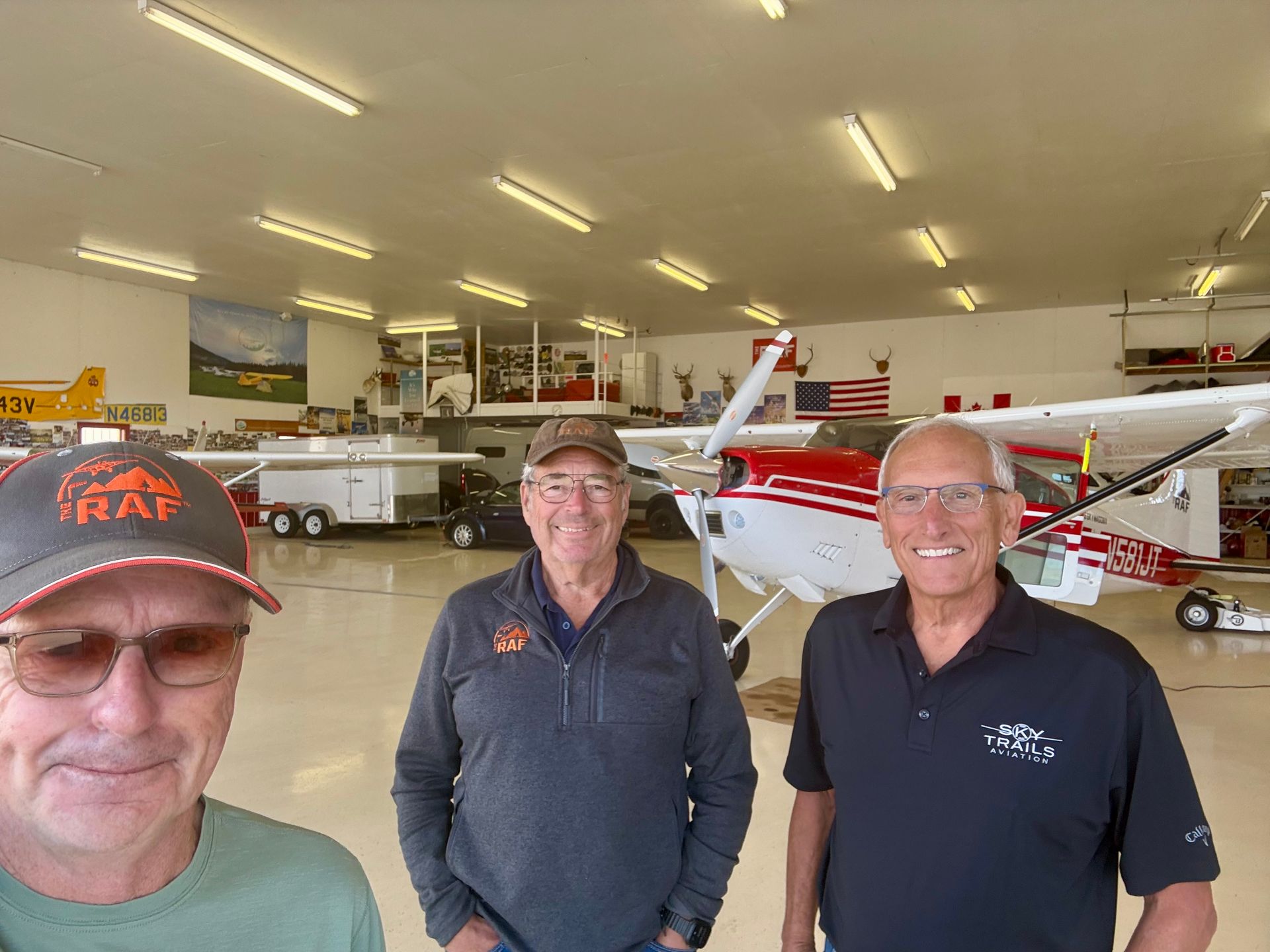
Sometimes one needs to look no further than one's incoming correspondence to find inspiration. Just this past week, folks passionate about the RAF mission reached out to me with suggestions that would bring resources to the RAF. Whether they be one-off items that we might offer, or events like large fundraisers, these folks are offering some thoughts on how we might continue to pay the bills. Additionally, we’re receiving word from folks with new destinations on their mind, and some pretty cool ones at that. Along the way, my inbox – as well as my calendar – is filled with updates on our Expanding the Map effort, with an emphasis on Fly Rocky Top. The Fly Rocky Top initiative in Tennessee is generating strong interest, and for good reason. It feels great. Folks are showing up to pitch in, with significant work projects planned. Trish and I, along with other board members, will be there to lend a hand to this exciting project. We are coming up on our annual year-end letter, which you will be seeing not long from now. In addition to showcasing a few more of our successful projects, we will be seeking your support. Stand by. I’ll wrap this up by letting you know that we could not be more pleased with how you all are doing your part. Thank you. It is so healthy to have an organization that uses passion as a primary energy source. - John McKenna, RAF Chairman Submitted September 14, 2026

“We had a busy day at Garrison Dam Recreational Airpark, as we continue to work on the underwing camping area,” RAF North Dakota Liaison Brian Rau reported. Rau was awarded an RAF grant in spring of 2026 to convert an adjacent day-use park into an airport camping area, and had organized volunteers who began the project in May. The airport, 37N, is closed while the runway and taxiway are being upgraded by a contractor for the ND Aeronautics Commission.
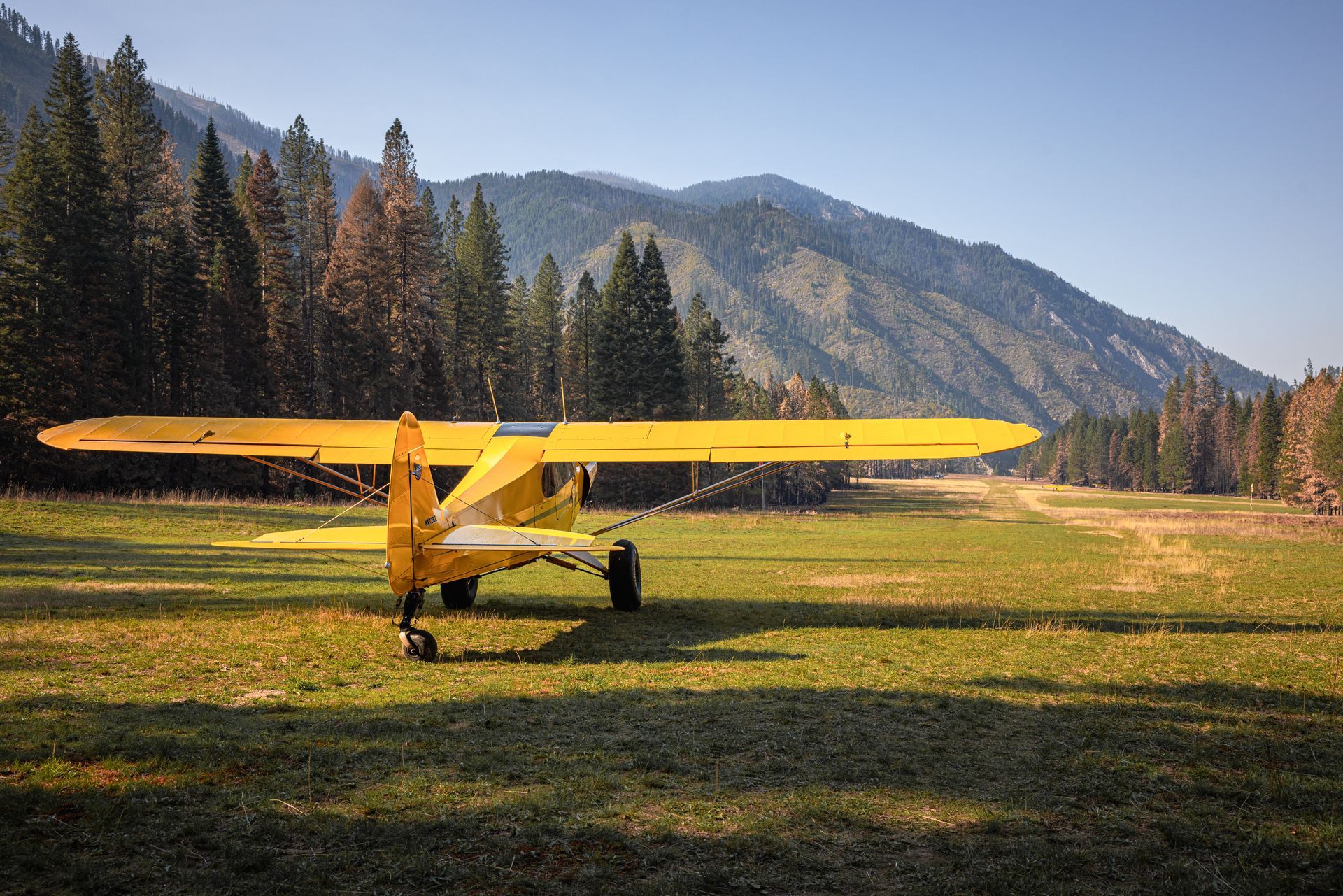
You know the feeling. You set the airplane down somewhere spectacular, shut off the engine, and enjoy the pristine landscape in front of you. This is why you fly. Keeping airstrips pristine is everyone's responsibility. But one item that doesn’t always make it into the airplane is a good trash bag. Not for the trash you planned to make. For the trash you didn’t. Cans left in a fire ring, fishing line along the river, or food wrappers working their way through the brush. None of it came in your airplane, but you have the ability to get it out. That’s reason enough to tuck a couple of heavy-duty contractor bags in with your tie-down gear. They earn their space in other ways, too. A contractor bag can keep wet or muddy gear out of the baggage compartment, cover equipment in a downpour, collect rainwater, or become an emergency poncho or windbreak. It weighs almost nothing and takes up very little room. Throw a few in the airplane and leave them there. You may not need one for your own trash, but there is a good chance you’ll find another use for it—or find something worth carrying out. Submitted September 9, 2026 By Stef Goza, Etiquette Chair, Safety, Education, and Etiquette Committee
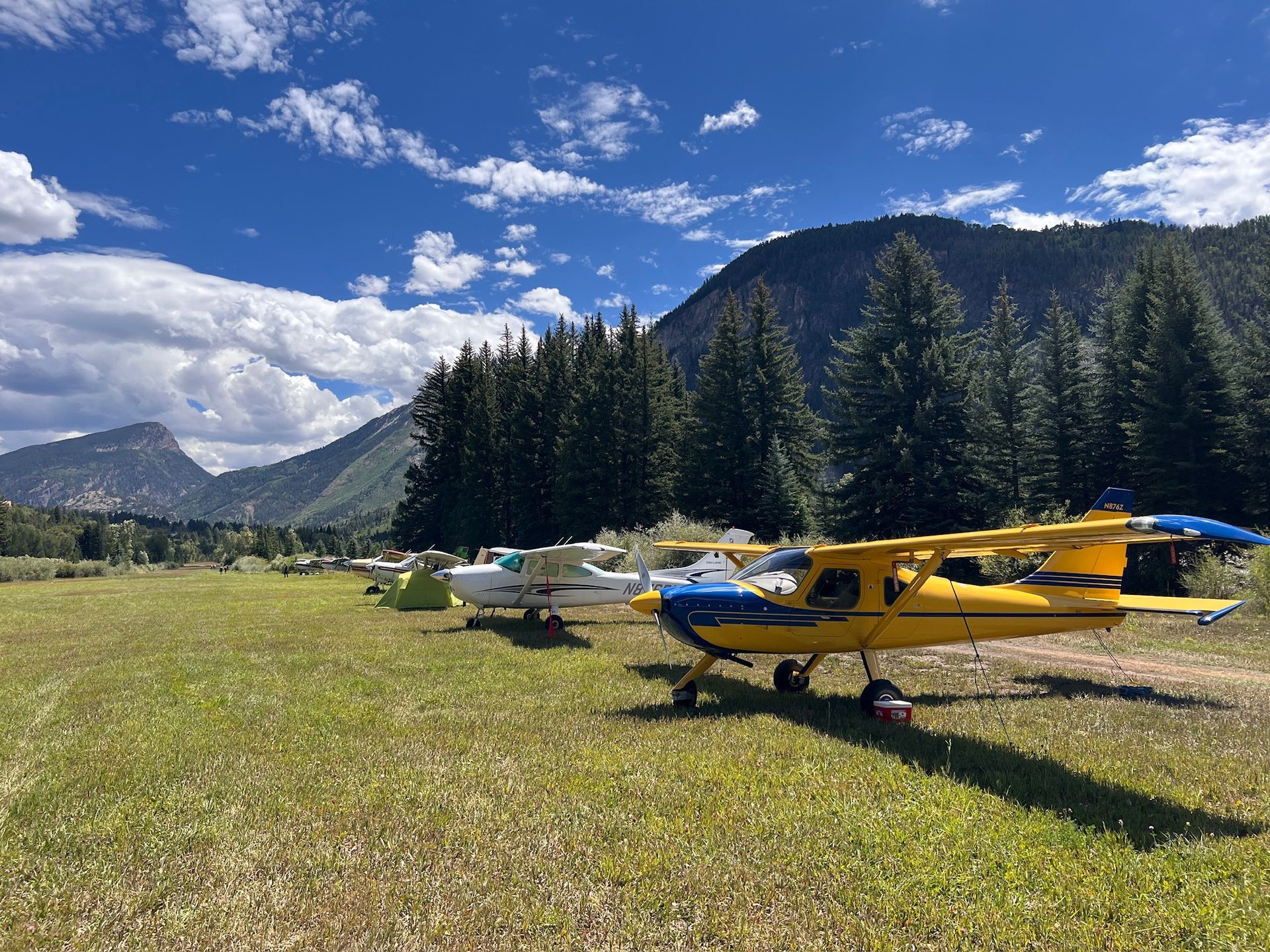
RAF Colorado Liaison Ken Long, Ambassador Mike Langersmith, and other RAF volunteers participated in an August work event at Marble, Colorado, a mountain airfield about 20 nm up the Crystal River drainage south of Carbondale. Airfield Manager Susan Blue put together the task list and oversaw the event that brought 21 volunteers in ten aircraft and four dogs.