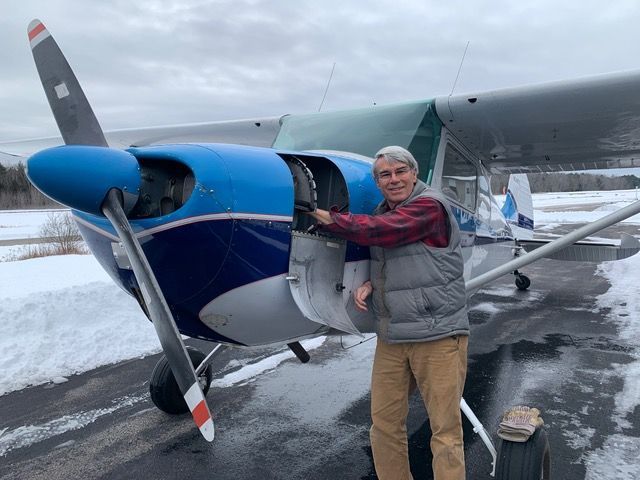
John Sowles flies a Cessna 170, a Champ, and a TaylorCraft. His career was in testing and ensuring water quality in the United States and abroad. He’s a former trustee for The Nature Conservancy and continues to do volunteer work for them. John retired from his scientific profession, but still consults in the Dominican Republic and Kenya.
WORTH THE READ: JOHN SOWLES GUEST EDITORIAL
Our many RAF supporters have such vast and varied experience, and we’re capturing some of their words of wisdom to share with you. This month’s guest editorial is by John Sowles, a longtime pilot and RAF Supporter from Maine.
Bridging the Conservation Divide :
I’m neither the owner or CEO of a major aviation manufacturer nor a 10,000 hour bush pilot. But I do want to share my experience assisting the RAF in opening up a remote airstrip in the North Maine woods. Hopefully, it will help others as we try to save access to a dwindling number of airstrips.
The RAF is remarkable in many ways; it was born of an audacious idea by a bunch of bold risk takers over a coast-to-coast geography, negotiating with government bureaucracies, private property owners and environmental/conservation organizations. Objectively, I’d say they were a bit short of furnishings “upstairs”. But look at what they have accomplished!
My introduction to the RAF began soon after its founding at a dinner with a group of local pilot friends – Steve Williams, Lisa Reese, and Maine Liaison Andy Rowe – where the McKennas explained their vision and goals. At that point in my life, most of my flying had been on floats collecting samples for the State from waterbodies that were difficult to access by truck. I really enjoyed and appreciated getting away to remote areas and relying on nobody but myself. I had never given it a thought that land-based airstrips could provide a similar sense of independence, self-reliance, and peacefulness as the ponds, lakes and rivers I visited. The possibility of a land-based experience intrigued me and I became involved.
Right off the bat, I was afforded a front row seat on a long journey with RAF as we worked to reopen an abandoned airstrip in northern Maine. From the mid ‘60s and into the 80s, Maine’s north woods was hit with a spruce budworm infestation that destroyed hundreds of millions of dollars of wood having widespread negative impact on the economy of Maine. To combat the budworm, International Paper and the Maine Forest Service built a 3,200-ft paved airstrip to handle converted WWII bomber spray planes.
After the budworm infestation passed, Red Pine Airfield was abandoned. Its location adjacent to the St. John River made for a popular camping spot for canoeists and hunters. In 1998, as part of a large land conservation deal, ownership of Red Pine passed to The Nature Conservancy. For liability reasons, the strip was X’ed out. Camping and land-based vehicle access remained.
At that fateful dinner, it leaked out that I happened to be a Trustee of the TNC in Maine. “Could I help?” Soon I found myself in an awkward position between two organizations that on first glance might appear in conflict. At the time, conservation organizations were not especially known for opening access, much less motorized access. But Red Pine had been used for recreation for decades by locals.
When TNC ‘X’ed it out, it left a bitter taste with locals at a time when organizations like TNC were trying to repair community relations. Upon closer look, the RAF and TNC hold a lot in common. Both believe in supporting communities while achieving their mission. In TNC’s case, much of their land is open to commercial harvest, hunting and fishing, thereby supporting local economies. In RAF’s case, RAF provides stewardship value to the property owner. In this way we indirectly serve the non-aviation communities as well. Both organizations are respectful. Both seek ways to collaborate. Both are committed to conserving natural area experience. And both appreciate local community values.
Because TNC looked at the airfield as a potential attractive nuisance and liability, RAF made the case that we could manage that risk while benefiting a wide constituency. And through gentle conversation, I think we changed the balance sheet from negative perceptions of aviation to positive. Helpful in our conversations were the RAF Code of Ethics, data showing the comparable environmental impacts of aircraft vs land-vehicles, enabling TNC staff to access their property more frequently, ensuring a landing area for emergency evacuations in a remote area of the state, as well as for pilots transiting a large tract of unoccupied forest. We also were willing to concede about 700 feet by shortening the runway so that it would not infringe on the river protection corridor.
I’ve always believed that people can’t appreciate places if they are locked out. By being present and maintaining a clean and safe area, Red Pine can continue as a critical low impact asset for pilots and many other recreationalists. I want to acknowledge Andy Rowe, Steve Mason and Bill Sylvester as partners in this journey and Steve Williams and Lisa Reese for that dinner so many years ago. They, along with TNC staff, were a pleasure to work with.
My “take aways” are three:
- What the RAF does and how it does it is its secret to success. It requires a clear vision that provides benefits beyond RAF directly.
- The RAF does it by being supportive and respectful rather than confrontational; listening to and addressing landowner concerns and supplying facts and rational positions, and
- Patience, LOADS of patience and perseverance. Finally, after over 12 years of work, Red Pine reopened in 2021.
In closing, I believe that for all you out there who think you can’t make a difference, think again. We all have something to offer.
Submitted January 23, 2024.
Posted in Guest Editorial, News
Recent Posts
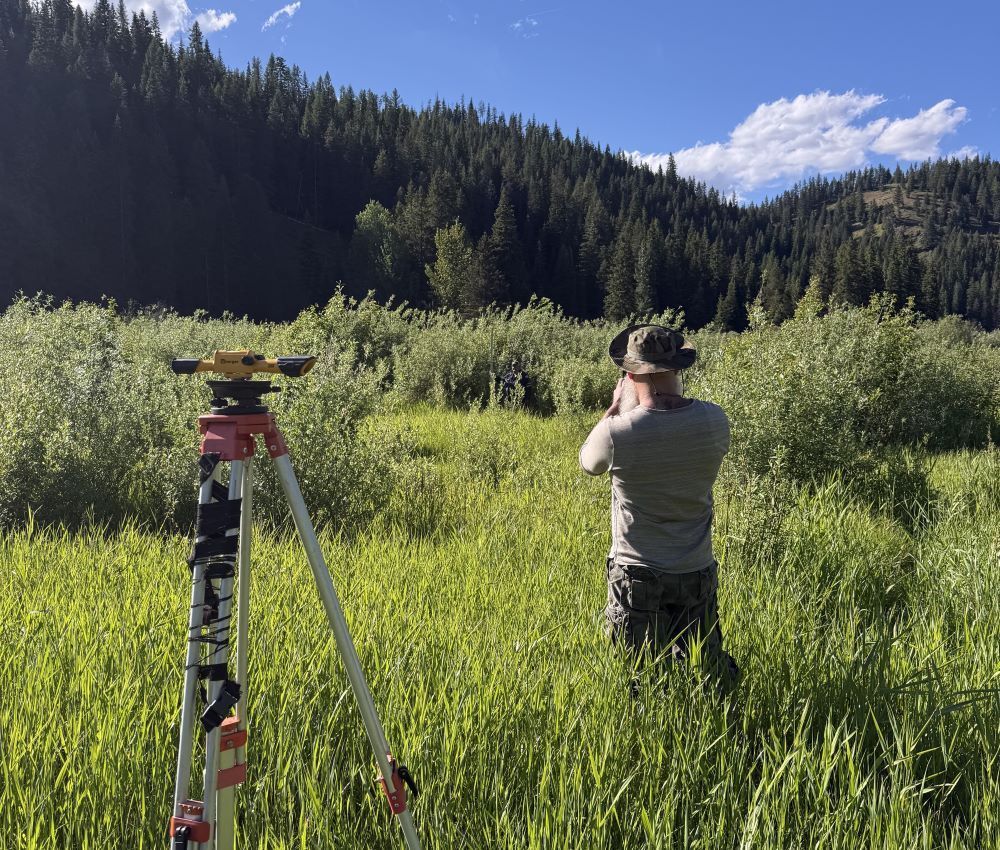
The RAF is excited that our Expand the Map initiative to open and rehabilitate airfields is off to an impressive start. As a result, we are seeking an airport engineer who is willing to volunteer their consulting services on airfield projects around the country. "Our supporters have many talents and areas of expertise," President Bill McGlynn said. “Please let us know if you’re an airport engineer who would be interested in volunteering your knowledge to improve recreational airfields.” Please contact Erin White, RAF Volunteer Coordinator, ewhite@theraf.org . Submitted October 8, 2026.
Like many people at this time of year, you may be considering your charitable contributions. The RAF is fortunate to have a deep bench of professional financial planning talent with several planned giving ideas to help you enjoy the advantage of tax benefits while benefiting the RAF mission. You can even specify a project that you'd like to support. You may not be aware of a new opportunity this year: Those who use the standard deduction (like most taxpayers), can deduct up to $1,000 ($2,000 for couples) for your direct donation to the RAF, without itemizing. This gives everyone a charitable giving tax-advantage, not just high-income donors who itemize. If you have any questions, a great way to start is to contact RAF Texas/Montana Ambassador Steve Maus, CLU, MSFS, and Chartered Advisor of Philanthropy. Reach him at: smaus@theraf.org .
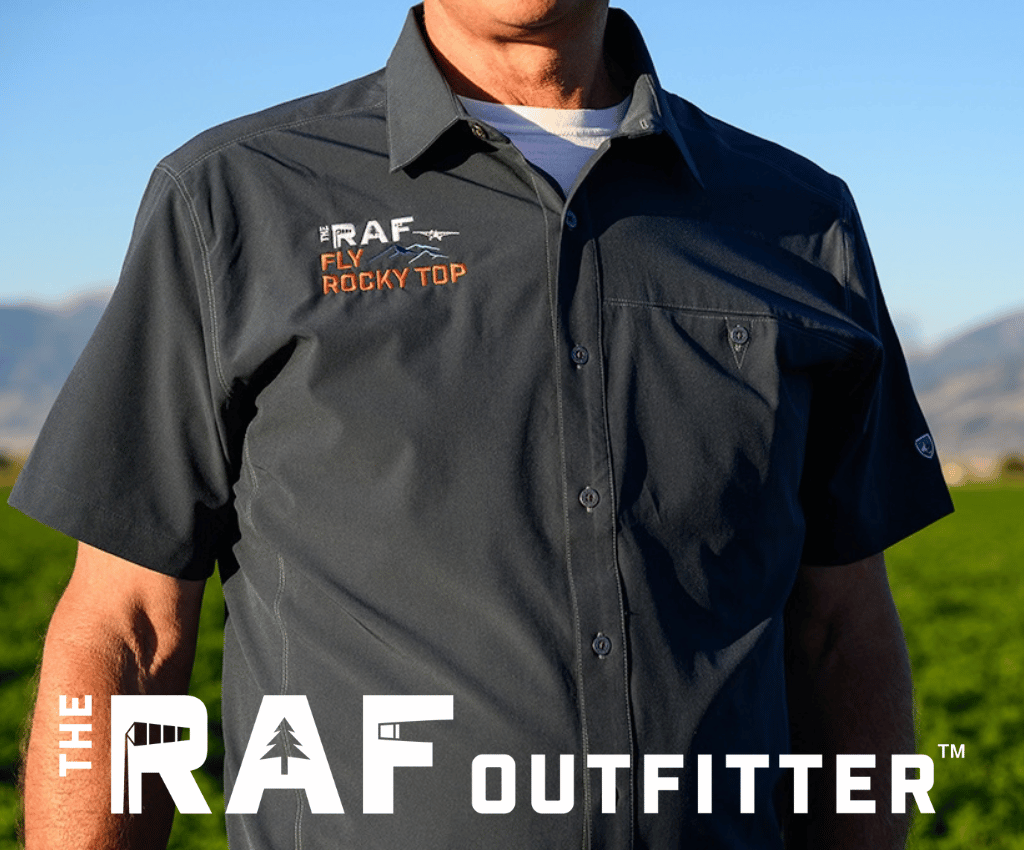
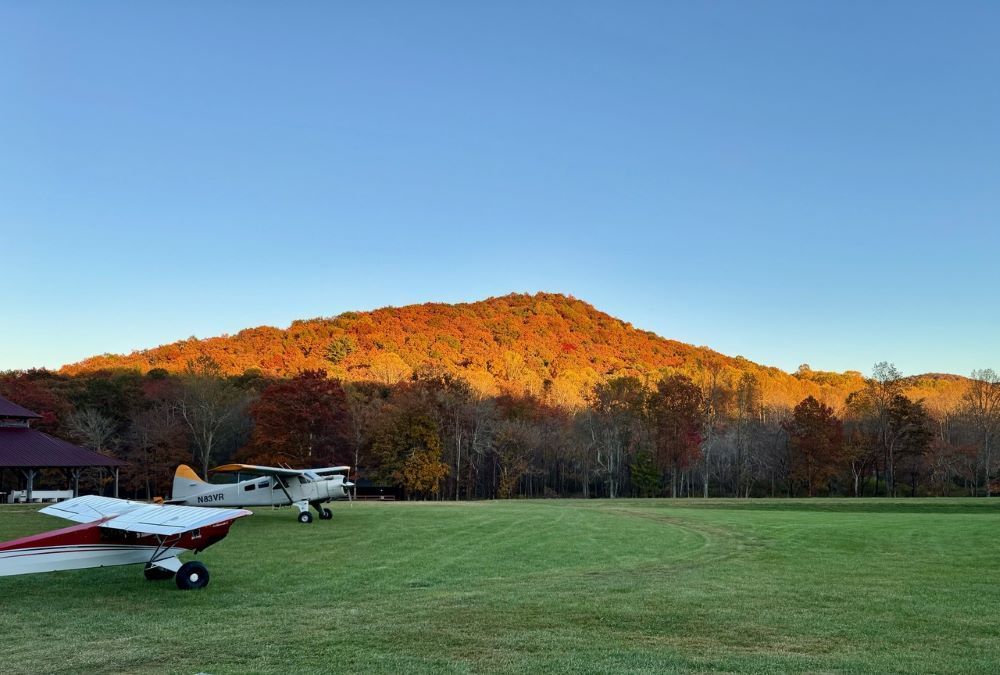
FEATURING: RAF FLY ROCKY TOP COLLECTION This summer, the RAF proudly announced the Fly Rocky Top Airstrip Network, opening up a new way to experience the beauty, adventure, and recreational flying opportunities of East Tennessee. Now, you can take a little Fly Rocky Top spirit with you wherever you go! The new Fly Rocky Top Collection has officially landed at the RAF Outfitter, with something for just about everyone. From adventure-ready KÜHL layers to hats, a lightweight women’s performance shirt, and stickers, the collection was made for days at the airstrip and everywhere your adventures take you in between.
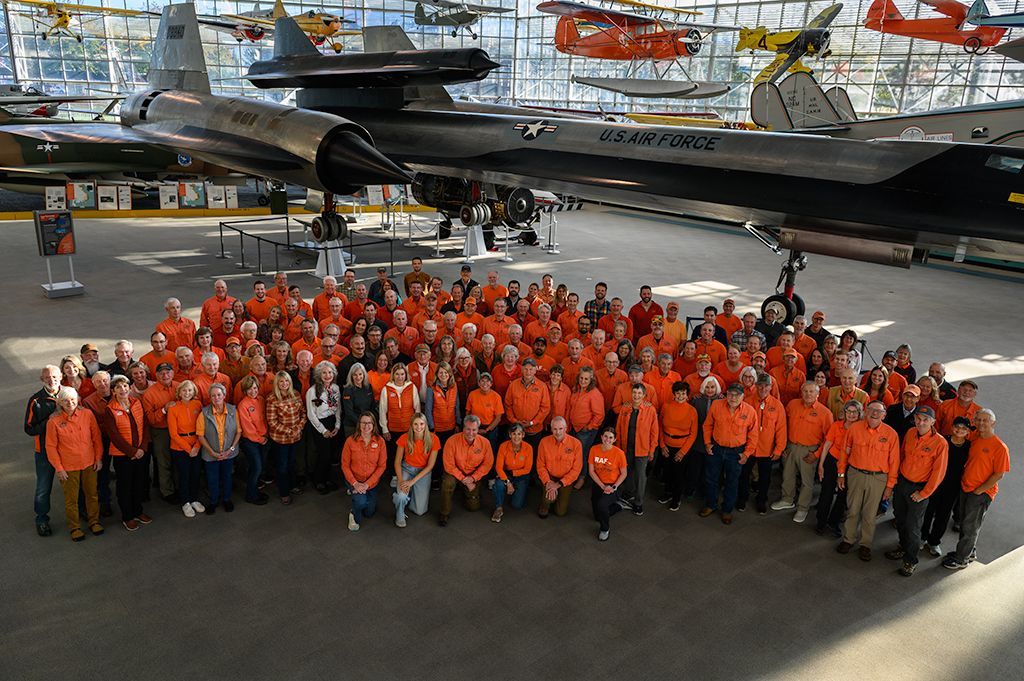
RAF key volunteers from across the nation gathered at Seattle’s Museum of Flight for a two-day RAF Educational Conference that ended Saturday, September 26. The days were filled with discussions about ways to further the RAF mission, beginning with the US Forest Service. The RAF Board of Directors and AOPA co-president Katie Pribyl and board member Peter Burwell updated the group over breakfast, and RAF Liaisons reported on airfield projects. Other presentations included author Richard Kyte on the importance of community, the RAF Safety, Education and Etiquette (SEE) committee reported on its messaging to pilots, Garmin presented its new Axis platform, author Richard Holm presented on the history of aviation’s role in the Idaho backcountry, and RAF Georgia Ambassador Dhruv Thakkar discussed the use of Digital Control Towers. Attendees also received an update on the RAF Airfield Guide and heard from RAF staff on tips for holding work parties and connecting RAF supporters. RAF Utah Liaison Wendy Lessig, RAF New Mexico Liaison Ron Keller, and Oregon Ambassador Kevin Johnson were presented with the RAF's Wind Beneath Our Wings Award for outstanding volunteer contributions to the RAF mission. Among the attendees were National RUS Liaison John Nadeau and his wife, who drove thousands of miles from Maine to join. "It was well worth the trip to learn about important projects fellow volunteers are working on from coast to coast, and how they successfully handle difficult situations using the RAF Way." The conference concluded with a talk from former and current principals of the adjacent Raisbeck Aviation High School. Dinner was later held in the high school, at which retiring RAF Director Steve Taylor was honored. Attendees enjoyed seeing their fellow volunteers and meeting new friends. Volunteers walked away feeling inspired and energized, with new ideas to continue their efforts preserving, improving, and creating airstrips for recreational access. Submitted September 1, 2026 Photo by Jake Peterson
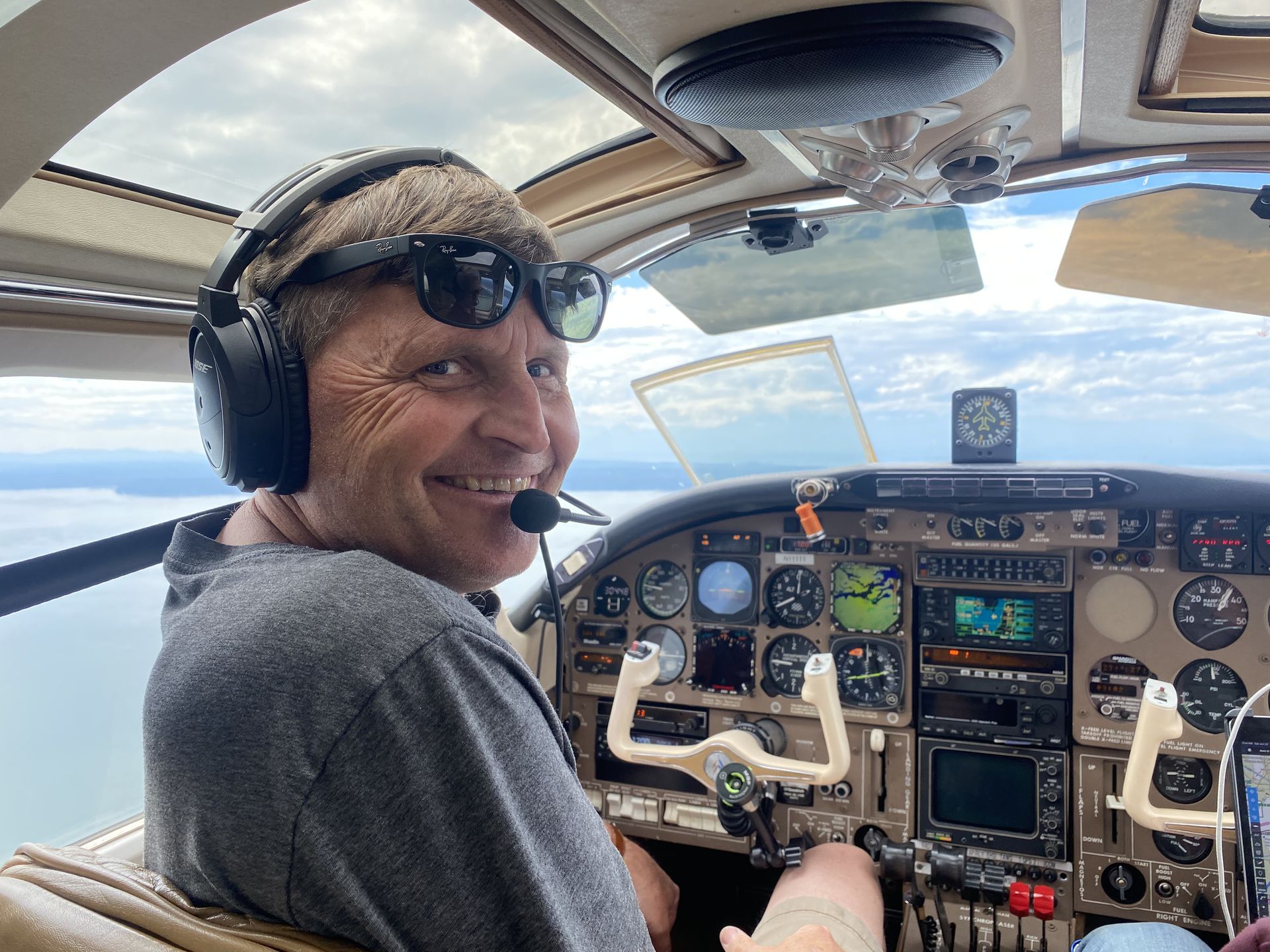
The RAF extends its appreciation to Steve Taylor of the Seattle area for his dedicated service on the RAF Board of Directors from 2019 to 2025. Throughout his time on the Board, Steve generously shared his aviation experience, perspective, and relationships in support of the RAF mission. He contributed to numerous RAF efforts, including the RAF Kodiak missions in support of airstrip work on the Nez Perce-Clearwater National Forest, and has been a valued advocate for the organization and recreational aviation. Steve also played an important role in helping bring the RAF’s 2026 National Educational Conference to Seattle. The gathering gave RAF volunteers, supporters, and partners an opportunity to learn, connect, and spend time together at the Museum of Flight and Raisbeck Aviation High School—two places that reflect Steve’s long-standing commitment to aviation and aviation education. In recognition of Steve’s service to the RAF and his support of the next generation of aviation leaders, the RAF made a donation to Raisbeck Aviation High School in his name during the conference. Steve’s contributions to the RAF extend well beyond any single project or event. We are grateful for the time, experience, relationships, and enthusiasm he has shared with the organization over the years, and we are proud to recognize him as a Director Emeritus. “We can't thank Steve enough for his devotion to the ongoing success of the RAF. He has ‘changed the game' for us in many ways and raised our stature as a volunteer organization,” said RAF President Bill McGlynn. Submitted September 1, 2026