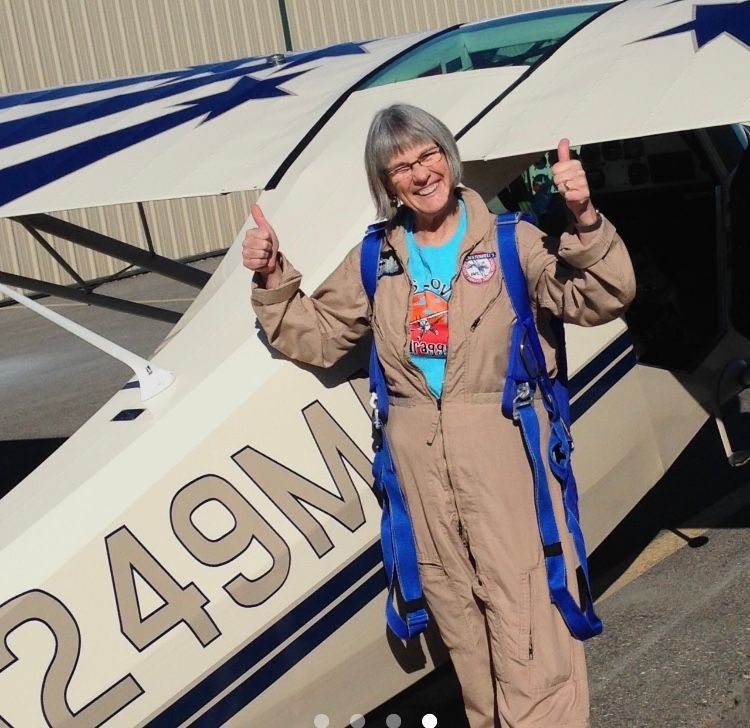
Jeanne has been a supporter of RAF since it’s inception. Her aviation work experience includes flying freight, Bureau Chief and Chief Pilot for Montana Aeronautics Division, copilot for the Montana Governor’s Office, and owning a flight school teaching basic aerobatics and mountain flying. She and her husband love flying into backcountry airstrips and are grateful to RAF for working so hard to maintain these aviation treasures.
WORTH THE READ – JEANNE MACPHERSON GUEST EDITORIAL
Our many RAF supporters have such vast and varied experience, and we’re capturing some of their words of wisdom to share with you. This month’s guest editorial is by Jeanne MacPherson, a longtime RAF supporter. Here is her philosophy on life, and how it relates to flying . . .
Can we ever become accomplished enough to stop practicing our craft?
Pablo Casals was one of the most renowned musicians of the 20th Century. Though he was a brilliant cellist, even in his eighties Casals continued to practice daily. When asked why he kept practicing when he was the best in the world, he replied: “I feel like I am making progress.”
This lifetime practice resonates with me in so many things that I love to do. Flying our two airplanes takes constant practice. Sometimes it is one of life’s upsets that forces you into learning and practicing yet again. I recently broke my hip ice skating on Canyon Ferry Reservoir’s wild ice. Daily physical therapy and exercise are now my routine. After a two month break from flying, I am once again practicing landings over and over…looking for that “daily progress.” I have never been comfortable with the saying: “any landing you can walk away from is a good landing.” I believe in striving for excellence.
Challenges that I have taken on to improve my ability to land accurately in a stabilized approach at a pre-specified spot are wheel landings in a tailwheel airplane, glassy water landings in a seaplane, short/soft field arrival at a planned spot, touching down on one wheel, and crosswind landings. It is always an ongoing practice.
Enhancing aviation skills can be done in many ways and yet made to be fun. One of my favorite approaches to flight reviews is to engage in add-on ratings or specialized flight training. AOPA’s Air Safety Institute offers “focused flight reviews” using tailored lesson plans for mountain flying, positive aircraft control, IFR proficiency, and others. I encourage you to check them out.
My husband, Bill, and I like to take on new challenges for our flight reviews. Several years ago, we traveled to the world’s best and friendliest airport in Santa Paula, California, to take Rich Stowell’s Emergency Maneuver Training Course at CP Aviation. This course not only challenged us and made as safer pilots but took us down a path toward ownership of a beautiful Super Decathlon and participation in the International Aerobatic Club. This also prompted me to start a flight school for emergency training, aerobatics, and Montana Mountain flying.
I am now retired from my work at Montana Aeronautics Division as Bureau Chief for Safety and Education and from my flight school, Mountain Airdance, but recently our Granddaughter, Graci, has expressed a passion for flying. Now, with a renewed sense of purpose, I am practicing landings from the back seat of our Super Decathlon with Bill in the front. I am making daily progress, getting the sight picture and perception from the rear seat so that I once again can be on top of my game as a flight instructor for our granddaughter Graci.
The philosopher Seneca said: “As long as you live, keep learning how to live.” I believe that if we follow this advice, we – like Pablo Casals the cellist – can keep making progress as pilots.
Submitted April 23, 2024.
Posted in Guest Editorial, News
Recent Posts
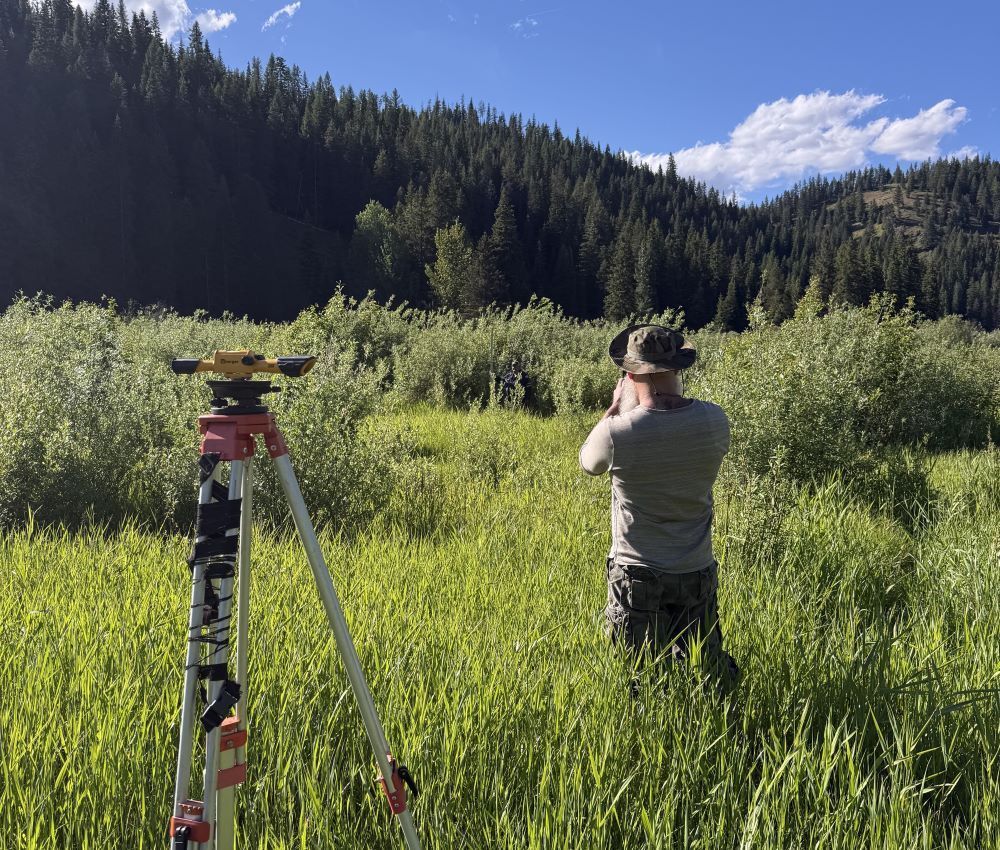
The RAF is excited that our Expand the Map initiative to open and rehabilitate airfields is off to an impressive start. As a result, we are seeking an airport engineer who is willing to volunteer their consulting services on airfield projects around the country. "Our supporters have many talents and areas of expertise," President Bill McGlynn said. “Please let us know if you’re an airport engineer who would be interested in volunteering your knowledge to improve recreational airfields.” Please contact Erin White, RAF Volunteer Coordinator, ewhite@theraf.org . Submitted October 8, 2026.
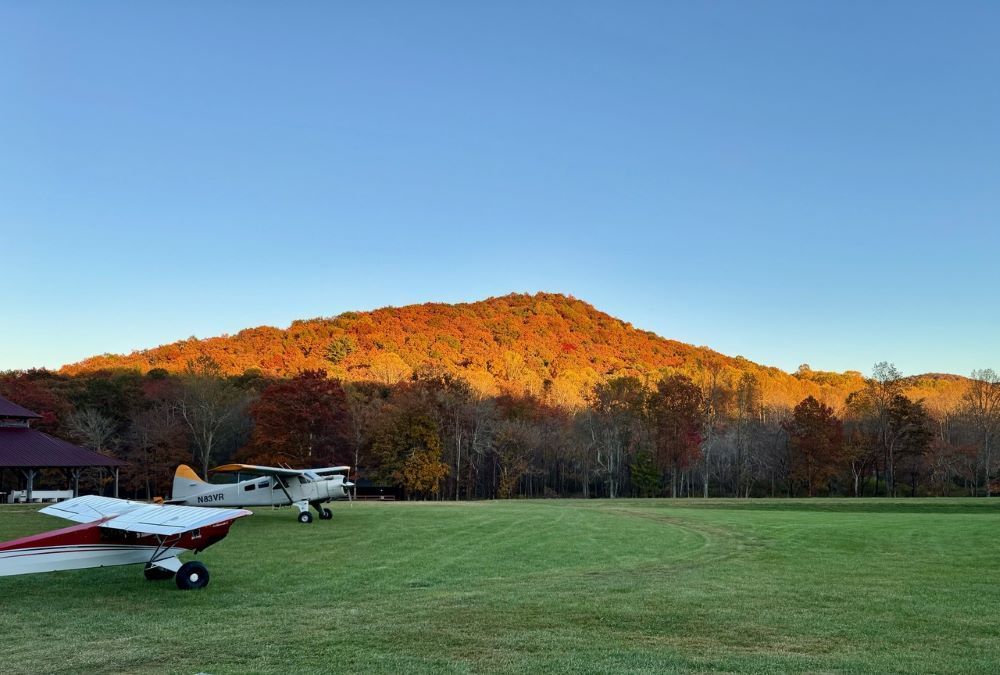
Like many people at this time of year, you may be considering your charitable contributions. The RAF is fortunate to have a deep bench of professional financial planning talent with several planned giving ideas to help you enjoy the advantage of tax benefits while benefiting the RAF mission. You can even specify a project that you'd like to support. You may not be aware of a new opportunity this year: Those who use the standard deduction (like most taxpayers), can deduct up to $1,000 ($2,000 for couples) for your direct donation to the RAF, without itemizing. This gives everyone a charitable giving tax-advantage, not just high-income donors who itemize. If you have any questions, a great way to start is to contact RAF Texas/Montana Ambassador Steve Maus, CLU, MSFS, and Chartered Advisor of Philanthropy. Reach him at: smaus@theraf.org .
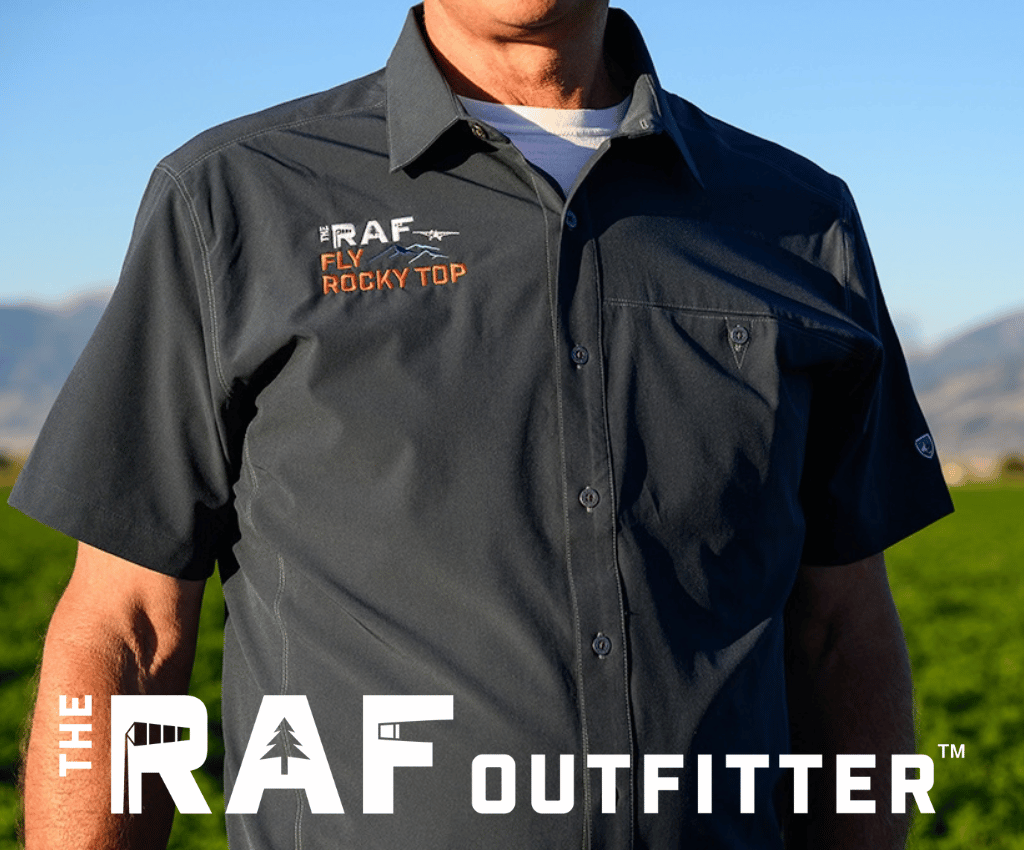
FEATURING: RAF FLY ROCKY TOP COLLECTION This summer, the RAF proudly announced the Fly Rocky Top Airstrip Network, opening up a new way to experience the beauty, adventure, and recreational flying opportunities of East Tennessee. Now, you can take a little Fly Rocky Top spirit with you wherever you go! The new Fly Rocky Top Collection has officially landed at the RAF Outfitter, with something for just about everyone. From adventure-ready KÜHL layers to hats, a lightweight women’s performance shirt, and stickers, the collection was made for days at the airstrip and everywhere your adventures take you in between.
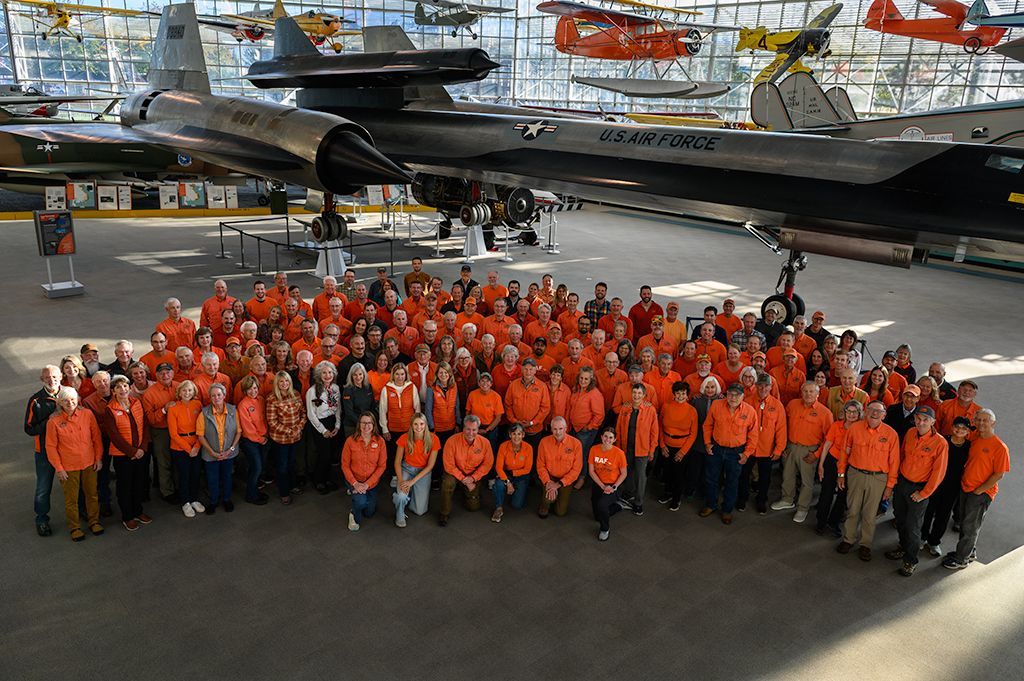
RAF key volunteers from across the nation gathered at Seattle’s Museum of Flight for a two-day RAF Educational Conference that ended Saturday, September 26. The days were filled with discussions about ways to further the RAF mission, beginning with the US Forest Service. The RAF Board of Directors and AOPA co-president Katie Pribyl and board member Peter Burwell updated the group over breakfast, and RAF Liaisons reported on airfield projects. Other presentations included author Richard Kyte on the importance of community, the RAF Safety, Education and Etiquette (SEE) committee reported on its messaging to pilots, Garmin presented its new Axis platform, author Richard Holm presented on the history of aviation’s role in the Idaho backcountry, and RAF Georgia Ambassador Dhruv Thakkar discussed the use of Digital Control Towers. Attendees also received an update on the RAF Airfield Guide and heard from RAF staff on tips for holding work parties and connecting RAF supporters. RAF Utah Liaison Wendy Lessig, RAF New Mexico Liaison Ron Keller, and Oregon Ambassador Kevin Johnson were presented with the RAF's Wind Beneath Our Wings Award for outstanding volunteer contributions to the RAF mission. Among the attendees were National RUS Liaison John Nadeau and his wife, who drove thousands of miles from Maine to join. "It was well worth the trip to learn about important projects fellow volunteers are working on from coast to coast, and how they successfully handle difficult situations using the RAF Way." The conference concluded with a talk from former and current principals of the adjacent Raisbeck Aviation High School. Dinner was later held in the high school, at which retiring RAF Director Steve Taylor was honored. Attendees enjoyed seeing their fellow volunteers and meeting new friends. Volunteers walked away feeling inspired and energized, with new ideas to continue their efforts preserving, improving, and creating airstrips for recreational access. Submitted September 1, 2026 Photo by Jake Peterson
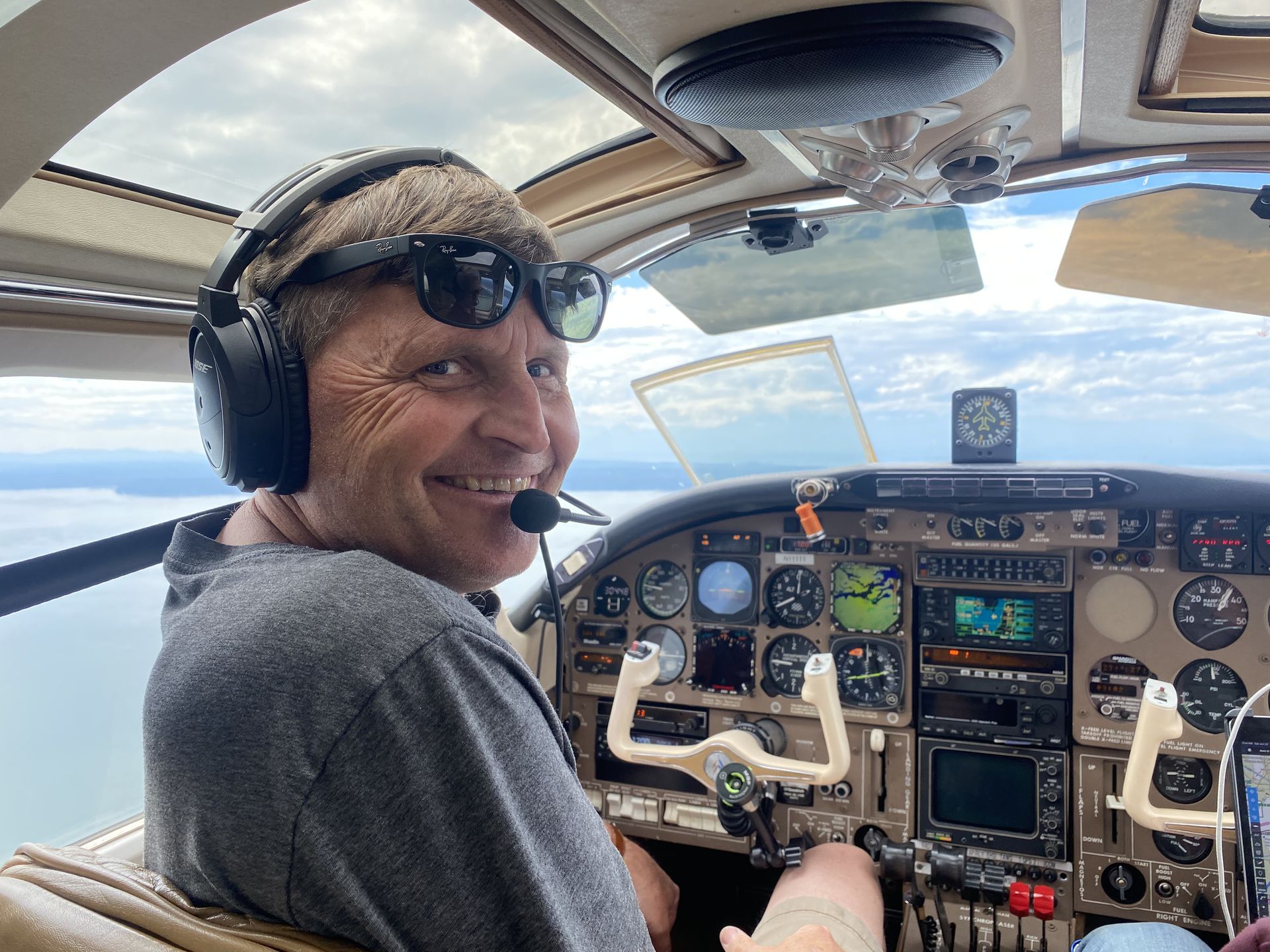
The RAF extends its appreciation to Steve Taylor of the Seattle area for his dedicated service on the RAF Board of Directors from 2019 to 2025. Throughout his time on the Board, Steve generously shared his aviation experience, perspective, and relationships in support of the RAF mission. He contributed to numerous RAF efforts, including the RAF Kodiak missions in support of airstrip work on the Nez Perce-Clearwater National Forest, and has been a valued advocate for the organization and recreational aviation. Steve also played an important role in helping bring the RAF’s 2026 National Educational Conference to Seattle. The gathering gave RAF volunteers, supporters, and partners an opportunity to learn, connect, and spend time together at the Museum of Flight and Raisbeck Aviation High School—two places that reflect Steve’s long-standing commitment to aviation and aviation education. In recognition of Steve’s service to the RAF and his support of the next generation of aviation leaders, the RAF made a donation to Raisbeck Aviation High School in his name during the conference. Steve’s contributions to the RAF extend well beyond any single project or event. We are grateful for the time, experience, relationships, and enthusiasm he has shared with the organization over the years, and we are proud to recognize him as a Director Emeritus. “We can't thank Steve enough for his devotion to the ongoing success of the RAF. He has ‘changed the game' for us in many ways and raised our stature as a volunteer organization,” said RAF President Bill McGlynn. Submitted September 1, 2026