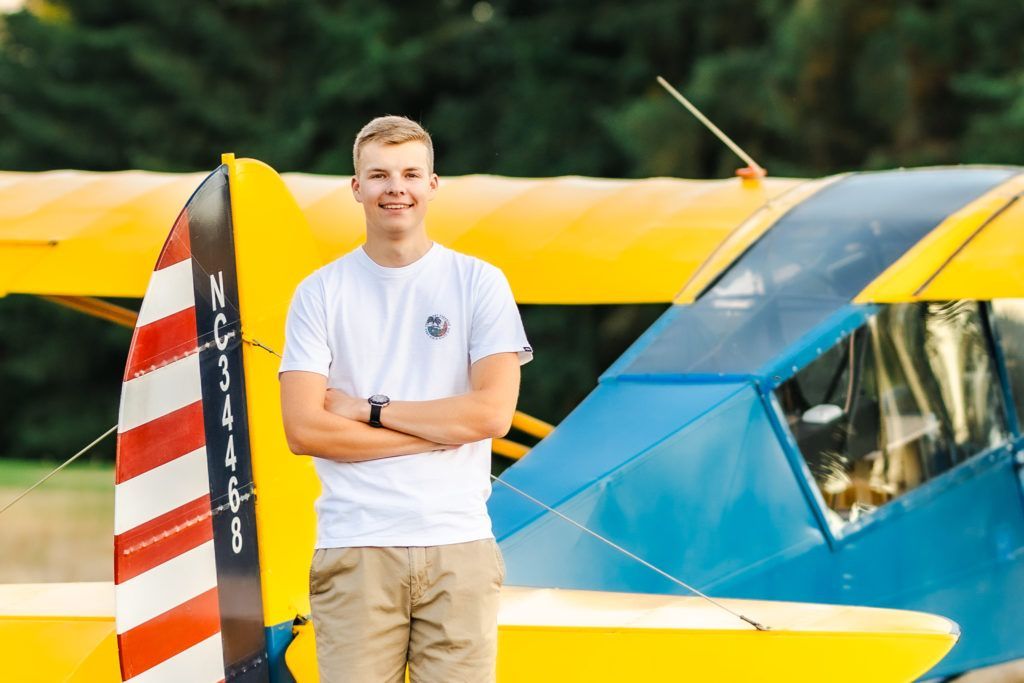
Finley Taylor is an 18-year-old commercial pilot from Bellevue, Washington. He grew up in an aviation family, with both his dad and grandpa having long aviation careers. He holds a commercial pilot’s license with multi engine and instrument ratings. He has been passionate about aviation for as long as he can remember and is looking forward to a future career in aviation.
WORTH THE READ: FINLEY TAYLOR GUEST EDITORIAL
Our many RAF supporters have such vast and varied experience, and we’re capturing some of their words of wisdom to share with you. This month’s guest editorial is by Finley Taylor, an 18 year old commercial pilot and a good friend of the RAF.
My earliest memories of flying with the RAF are in the back of a Piper Super Cub, staring at the back of my dad’s t-shirt over the picturesque North China Wall in Montana. The thrill of the bouncy tundra tires meeting the soft summer grass on some backcountry strip amazed my young self. I understood at a young age that this hobby would quickly evolve to consume my entire life. I kept flying, graduating to the front seat, and adding more types to my ever-growing logbook. Thanks to the RAF, I logged my first official landing at the age of 13 in a Kodiak with Mark Brown, quickly followed by a Cessna Grand Caravan with Peter Burwell.
I continued to fly with my dad, Steve Taylor, at RAF events throughout my childhood. Idaho, Montana, Washington, Vermont, and Michigan are just a few of the states I have experienced incredible backcountry strips that I have had the opportunity to visit. The excitement of travelling to a new place and meeting new people still inspires me to continue my adventures alongside the RAF. From pulling the frozen jeans out of my sleeping bag at Smiley Creek (U87), to making memories with friends at Moose City (86MT). But beyond the incredible places I have visited, I’ve made lifelong friends, learned valuable lessons that have aided me not only as an aviator but also as a person, and enjoyed talking endlessly about airplanes along the way.
I still remember my introduction to an RAF staple: The work party. We packed our sleeping bags and tent into the back of our Cessna 180 and flew to Sullivan Lake (09S) where we would camp for a weekend and work to improve the airport. This trip was a microcosm for the greater purpose of the RAF as people bonded over preserving a beautiful airport while enjoying good company, good food, and campfires. As we watched the sunset over the lake, I couldn’t help but to reflect on the sight of dozens of orange RAF hats scattered down the runway, shovels in hand and ready to work. After a long day digging and replacing equipment, we all sat down to a dinner hosted by the gracious Washington State Liaisons, the Whitelaw brothers. The joint work effort and camaraderie over a seemingly dull task opened my eyes to the spirit of the RAF. Flying to spectacular backcountry strips that would’ve otherwise been forgotten, working with other volunteers for the greater good of aviation and to preserve these magical places for generations to come, and to create memories with fellow aviators.
Earlier this summer, I found myself at Cavanaugh Bay (66S) surrounded by fellow aviators and RAF enthusiasts to celebrate 20 years of the organization. Again, I was struck by the community and sense of belonging with everyone. As a teenager, I notice my peers having trouble connecting with adults and viewing them as the “others.” I attribute my experiences with the RAF as part of the reason that I proudly call these people my friends as well. Sitting on folding lawn chairs watching airplanes takeoff and land, discussing stories, and sharing laughs with others reminds me why the RAF is so special. The special connection shared between people over a common interest is something that must be cherished. A bright orange RAF hat is a sure sign that you’re about to make a new friend. Later that trip, we flew to Ryan Field (2MT1) to continue our celebrations and admire the newly finished barn. Standing under the beautiful, exposed beams and seeing the care and craftsmanship behind the work reminded me of the hard work and dedication the RAF puts towards preserving and maintaining these beautiful backcountry strips. And yet, it’s the dedication of the volunteers that make these places so special and the RAF such a truly unique organization.
Submitted March 20, 2024.
Posted in Guest Editorial, News
Recent Posts
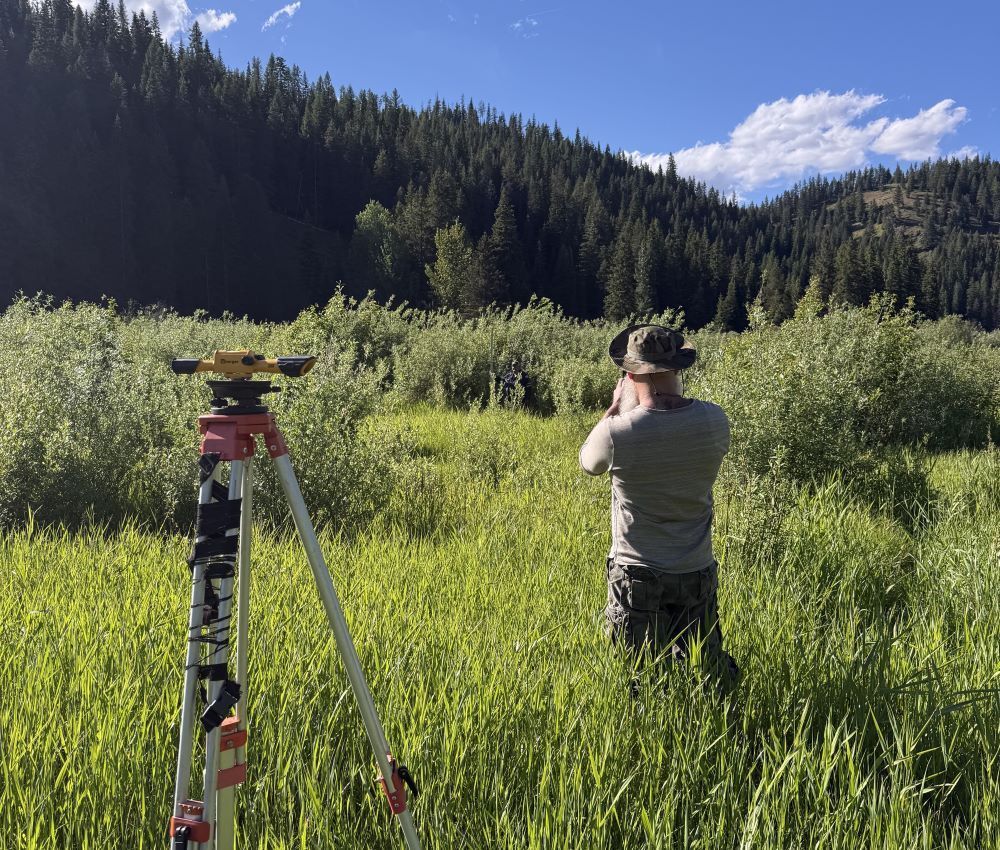
The RAF is excited that our Expand the Map initiative to open and rehabilitate airfields is off to an impressive start. As a result, we are seeking an airport engineer who is willing to volunteer their consulting services on airfield projects around the country. "Our supporters have many talents and areas of expertise," President Bill McGlynn said. “Please let us know if you’re an airport engineer who would be interested in volunteering your knowledge to improve recreational airfields.” Please contact Erin White, RAF Volunteer Coordinator, ewhite@theraf.org . Submitted October 8, 2026.
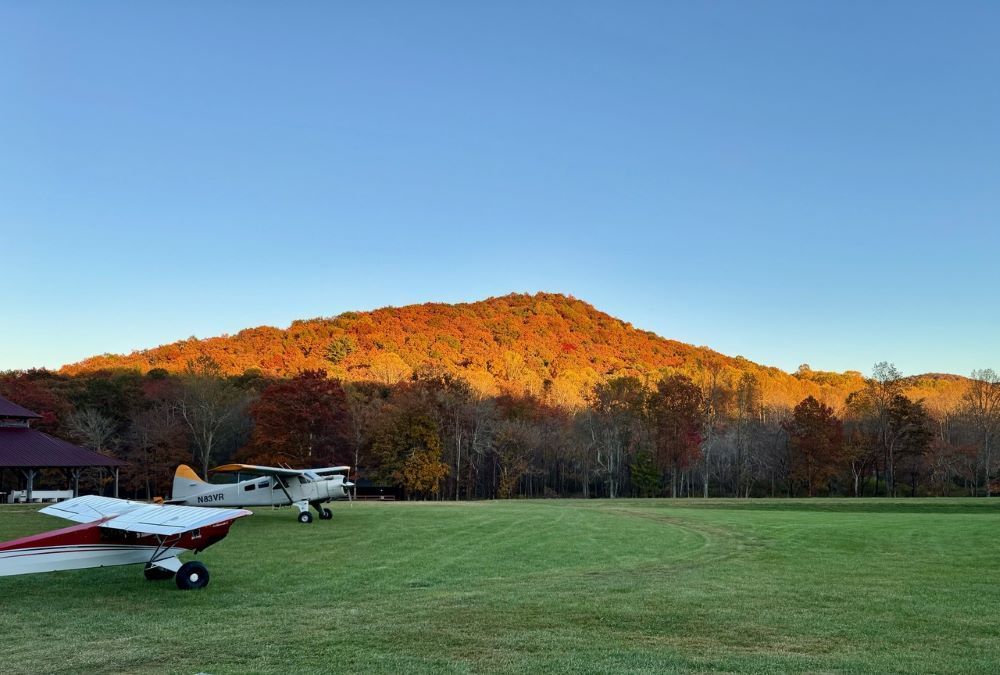
Like many people at this time of year, you may be considering your charitable contributions. The RAF is fortunate to have a deep bench of professional financial planning talent with several planned giving ideas to help you enjoy the advantage of tax benefits while benefiting the RAF mission. You can even specify a project that you'd like to support. You may not be aware of a new opportunity this year: Those who use the standard deduction (like most taxpayers), can deduct up to $1,000 ($2,000 for couples) for your direct donation to the RAF, without itemizing. This gives everyone a charitable giving tax-advantage, not just high-income donors who itemize. If you have any questions, a great way to start is to contact RAF Texas/Montana Ambassador Steve Maus, CLU, MSFS, and Chartered Advisor of Philanthropy. Reach him at: smaus@theraf.org .
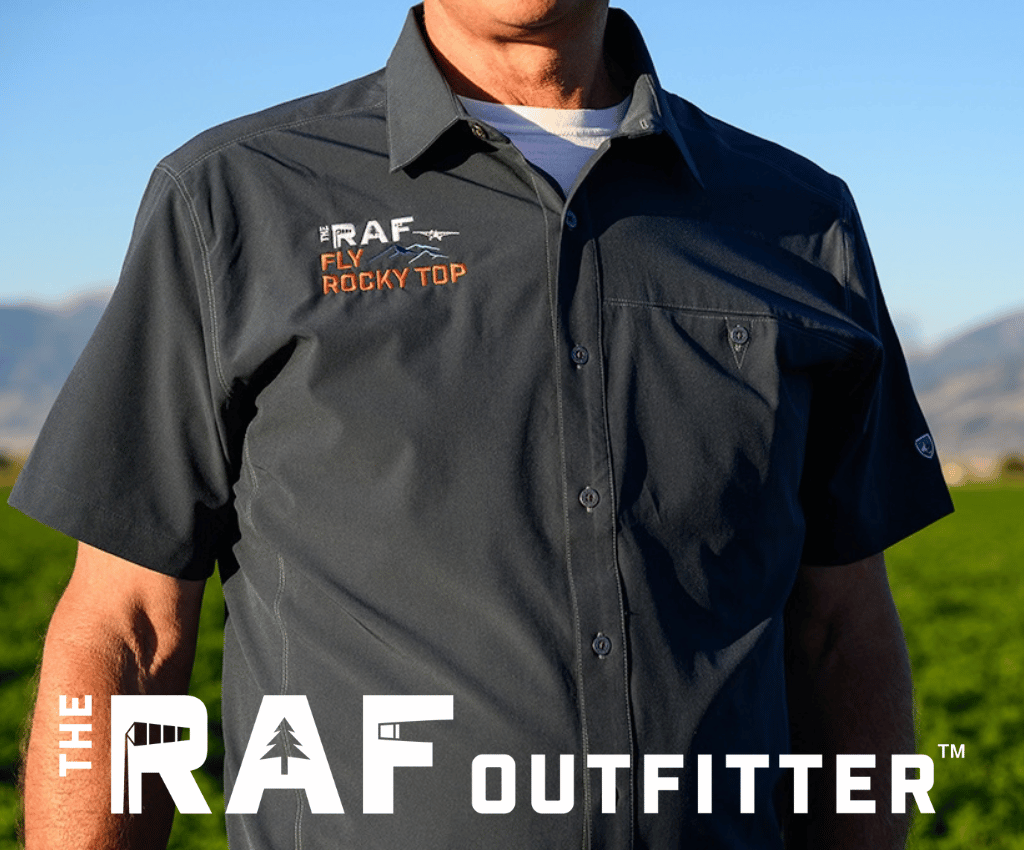
FEATURING: RAF FLY ROCKY TOP COLLECTION This summer, the RAF proudly announced the Fly Rocky Top Airstrip Network, opening up a new way to experience the beauty, adventure, and recreational flying opportunities of East Tennessee. Now, you can take a little Fly Rocky Top spirit with you wherever you go! The new Fly Rocky Top Collection has officially landed at the RAF Outfitter, with something for just about everyone. From adventure-ready KÜHL layers to hats, a lightweight women’s performance shirt, and stickers, the collection was made for days at the airstrip and everywhere your adventures take you in between.
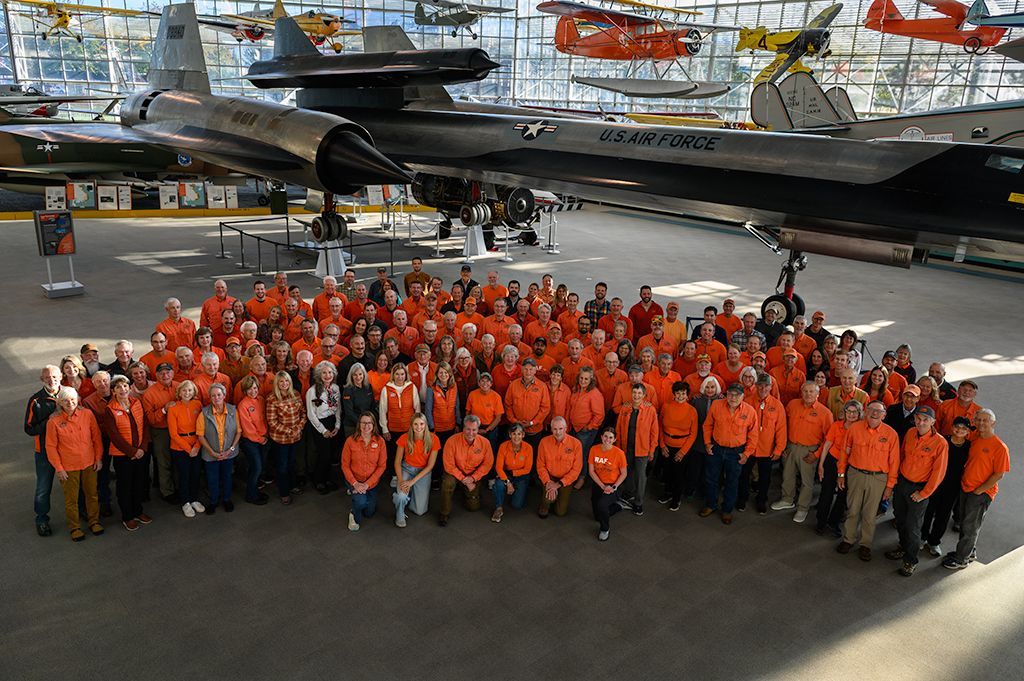
RAF key volunteers from across the nation gathered at Seattle’s Museum of Flight for a two-day RAF Educational Conference that ended Saturday, September 26. The days were filled with discussions about ways to further the RAF mission, beginning with the US Forest Service. The RAF Board of Directors and AOPA co-president Katie Pribyl and board member Peter Burwell updated the group over breakfast, and RAF Liaisons reported on airfield projects. Other presentations included author Richard Kyte on the importance of community, the RAF Safety, Education and Etiquette (SEE) committee reported on its messaging to pilots, Garmin presented its new Axis platform, author Richard Holm presented on the history of aviation’s role in the Idaho backcountry, and RAF Georgia Ambassador Dhruv Thakkar discussed the use of Digital Control Towers. Attendees also received an update on the RAF Airfield Guide and heard from RAF staff on tips for holding work parties and connecting RAF supporters. RAF Utah Liaison Wendy Lessig, RAF New Mexico Liaison Ron Keller, and Oregon Ambassador Kevin Johnson were presented with the RAF's Wind Beneath Our Wings Award for outstanding volunteer contributions to the RAF mission. Among the attendees were National RUS Liaison John Nadeau and his wife, who drove thousands of miles from Maine to join. "It was well worth the trip to learn about important projects fellow volunteers are working on from coast to coast, and how they successfully handle difficult situations using the RAF Way." The conference concluded with a talk from former and current principals of the adjacent Raisbeck Aviation High School. Dinner was later held in the high school, at which retiring RAF Director Steve Taylor was honored. Attendees enjoyed seeing their fellow volunteers and meeting new friends. Volunteers walked away feeling inspired and energized, with new ideas to continue their efforts preserving, improving, and creating airstrips for recreational access. Submitted September 1, 2026 Photo by Jake Peterson
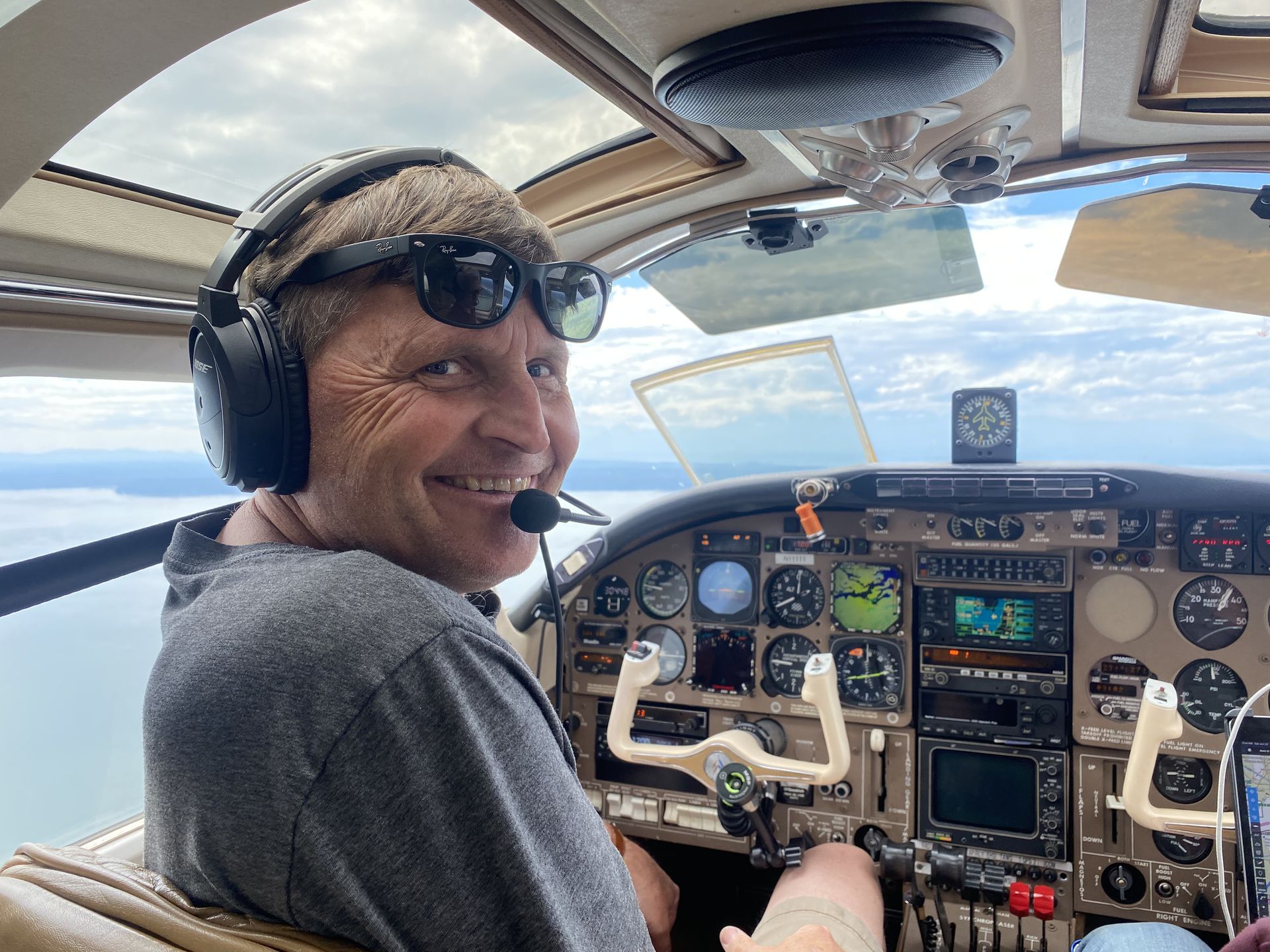
The RAF extends its appreciation to Steve Taylor of the Seattle area for his dedicated service on the RAF Board of Directors from 2019 to 2025. Throughout his time on the Board, Steve generously shared his aviation experience, perspective, and relationships in support of the RAF mission. He contributed to numerous RAF efforts, including the RAF Kodiak missions in support of airstrip work on the Nez Perce-Clearwater National Forest, and has been a valued advocate for the organization and recreational aviation. Steve also played an important role in helping bring the RAF’s 2026 National Educational Conference to Seattle. The gathering gave RAF volunteers, supporters, and partners an opportunity to learn, connect, and spend time together at the Museum of Flight and Raisbeck Aviation High School—two places that reflect Steve’s long-standing commitment to aviation and aviation education. In recognition of Steve’s service to the RAF and his support of the next generation of aviation leaders, the RAF made a donation to Raisbeck Aviation High School in his name during the conference. Steve’s contributions to the RAF extend well beyond any single project or event. We are grateful for the time, experience, relationships, and enthusiasm he has shared with the organization over the years, and we are proud to recognize him as a Director Emeritus. “We can't thank Steve enough for his devotion to the ongoing success of the RAF. He has ‘changed the game' for us in many ways and raised our stature as a volunteer organization,” said RAF President Bill McGlynn. Submitted September 1, 2026