Our many RAF supporters have such vast and varied experience, and we’re capturing some of their words of wisdom to share with you. This month’s guest editorial is by Carmine Mowbray, a pilot and the RAF’s Publicity Liaison.
WORTH THE READ: CARMINE MOWBRAY GUEST EDITORIAL
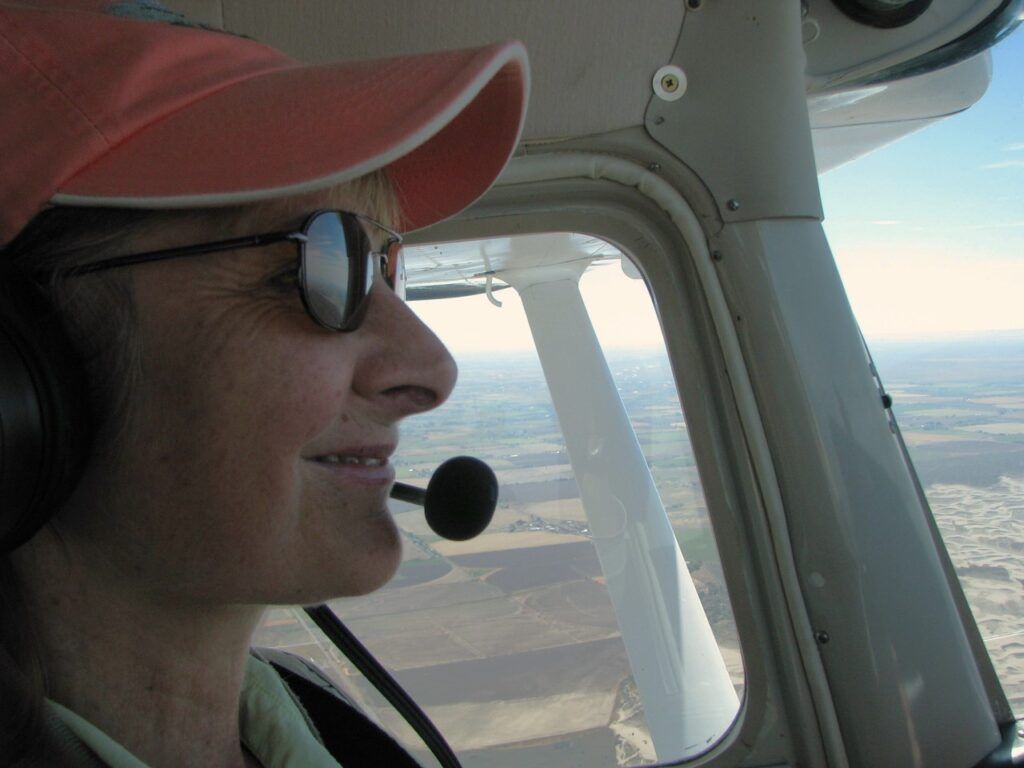
When the owner of the local FBO ordered fancy printing from our little Montana print shop and couldn’t pay his bill, he agreed to teach my husband and me how to get an airplane in the sky and back on the ground safely. We decided to buy an airplane and the CFI located a 1957 150-hp TriPacer. I was so ignorant, I was expecting a tri-motor. When 6928-Delta puttered in off the runway, I fell in love with our simple fabric, tricycle gear four-seat single.
It was paper chart, watch, and E6B days. You planned cross-county flights by penciling in your waypoints. Being surrounded by mountains, our CFI was a stickler about slow flight and preached, “Every landing is a short-field landing!” Training I appreciate today.
Near Montana’s Continental Divide, winters are cold but pretty clear. We could fly nearly all year. Avgas was 57¢ a gallon, and our banker let us park in his old hangar for free. As some do, we coveted that ever-faster, sleeker aircraft, and eventually owned and flew retractables, then a 300-hp Turbo T-Tail Lance for 16 years. It was great for business and long cross-countries with the four kids. But I felt the best way to see the West was around a hundred knots, a few hundred feet over the high ground. Where you see spray off a waterfall; mountain goats trekking the ledges; a small herd of elk grazing, or the circular ripples surrounding a moose in a pond. My heart was always back at places like Meadow Creek beneath the massive limestone terraces, where we had spent a soggy three-day Memorial Day weekend in a pup tent waiting for the rain to stop. “If this is so miserable, why am I enjoying it so much?” I’d asked myself.
RAF co-founder Chuck Jarecki stopped often at my Polson home for coffee and to share flying stories. He flew me to a few Montana work parties where I joined upbeat volunteers. Whether it was chopping sagebrush, clearing encroaching trees, throwing rocks, digging postholes or privy holes, we had fun. We were making something better.
Chuck asked me to edit some early letters and informational materials even before the quaint RAF logo showed up. Way back when John McKenna had a mustache. I sent a few dollars in to HQ. An orange shirt arrived in my mailbox with a handwritten thank you. The custom of writing handwritten notes, by the way, has continued throughout the RAF’s 22 years. More work parties, an organizational workshop, a few lengthy public lands meetings, and passionate folks started showing up in their orange shirts, all giving their time to support the preservation of backcountry aviation, and I found inspiration.
Now with the ideal aircraft for my purposes, an old 182 with the Sportsman STOL, pursuing that inspiration is up to me, my skills, and sound PIC judgment. And thanks to the RAF and its partners, there are plenty of beautiful places to go. There are disappointments when the weather or summer wildfire smoke shuts out a destination, but a constant is always the fine folks who share the mission.
The RAF has added purpose to my flying. I’ve made lifetime friends, and seen places I’d have missed if not for the RAF and its successes. It feels good to leave a place better than you found it, and know that these special places will endure for others to enjoy.
Often folks refer to the RAF mission as a cross-country flight, a journey from Point A to B. But I see it more as an orbit, since it should have no end. I see a long and productive future for the RAF. The RAF is constantly in motion, but remains close enough to Earth to recognize its beauty and preserve our special way to access it.
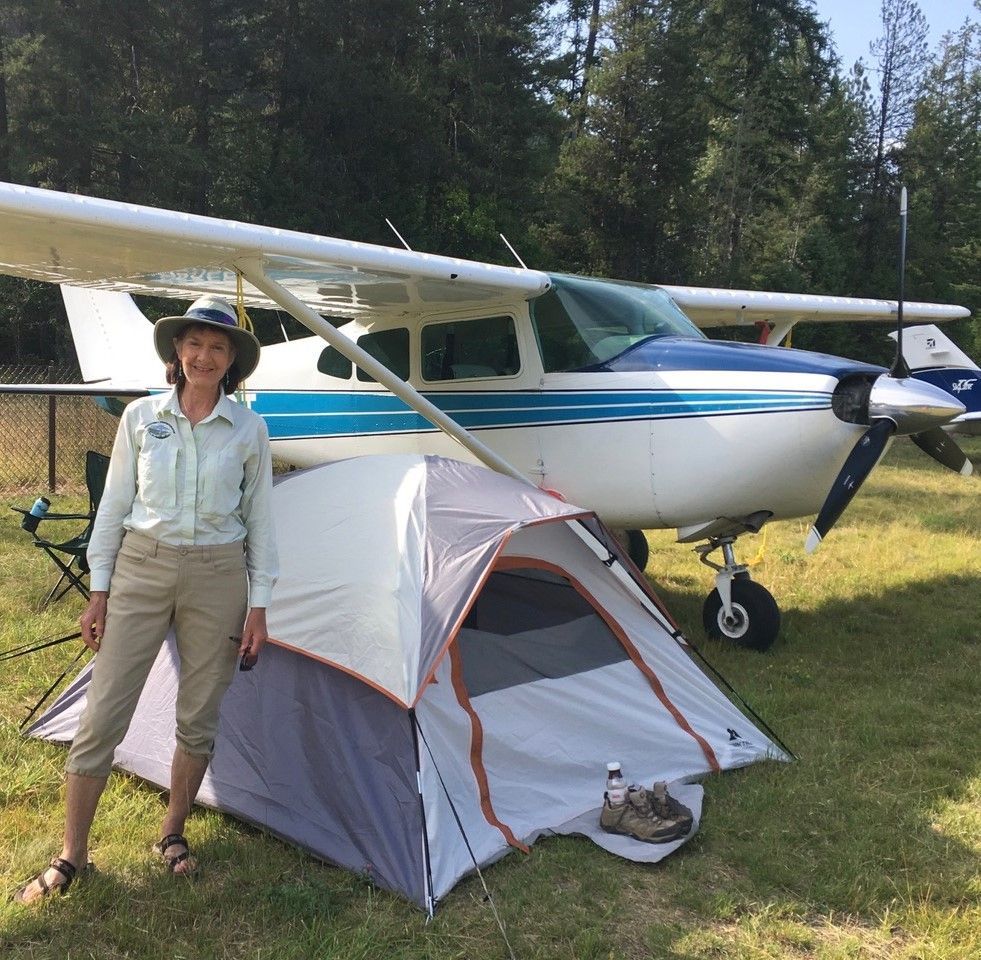
Carmine married and moved to Montana at age 19. The couple built a high-speed printing plant and published award-winning community newspapers. They raised four kids who have settled from Wyoming to the West Coast. Carmine served a term as a state senator after retiring from the publishing business. Carmine has written two well-received works of historical fiction.
“Like flying, it’s important to stay current as a writer. So to retain my editorial proficiency, I love my role as Publicity Liaison for the RAF,” she says, adding, “The subject matter is awesome!”
Submitted September 16, 2024.
Posted in Guest Editorial, News
Recent Posts
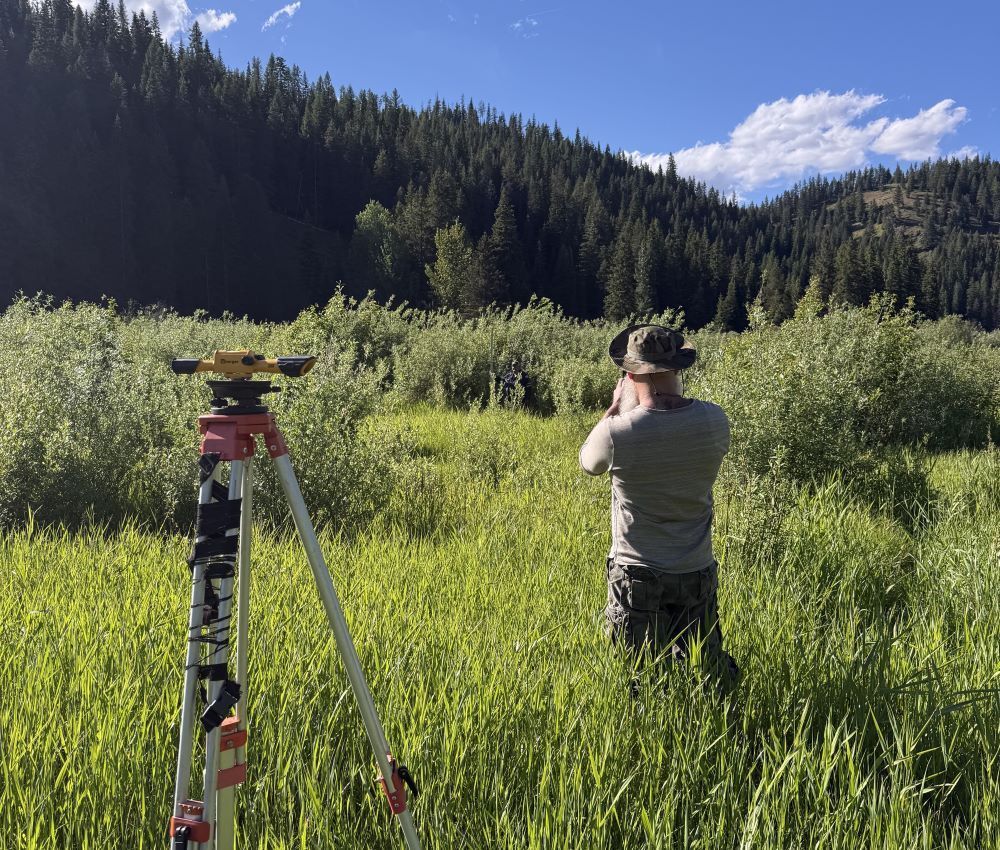
The RAF is excited that our Expand the Map initiative to open and rehabilitate airfields is off to an impressive start. As a result, we are seeking an airport engineer who is willing to volunteer their consulting services on airfield projects around the country. "Our supporters have many talents and areas of expertise," President Bill McGlynn said. “Please let us know if you’re an airport engineer who would be interested in volunteering your knowledge to improve recreational airfields.” Please contact Erin White, RAF Volunteer Coordinator, ewhite@theraf.org . Submitted October 8, 2026.
Like many people at this time of year, you may be considering your charitable contributions. The RAF is fortunate to have a deep bench of professional financial planning talent with several planned giving ideas to help you enjoy the advantage of tax benefits while benefiting the RAF mission. You can even specify a project that you'd like to support. You may not be aware of a new opportunity this year: Those who use the standard deduction (like most taxpayers), can deduct up to $1,000 ($2,000 for couples) for your direct donation to the RAF, without itemizing. This gives everyone a charitable giving tax-advantage, not just high-income donors who itemize. If you have any questions, a great way to start is to contact RAF Texas/Montana Ambassador Steve Maus, CLU, MSFS, and Chartered Advisor of Philanthropy. Reach him at: smaus@theraf.org .
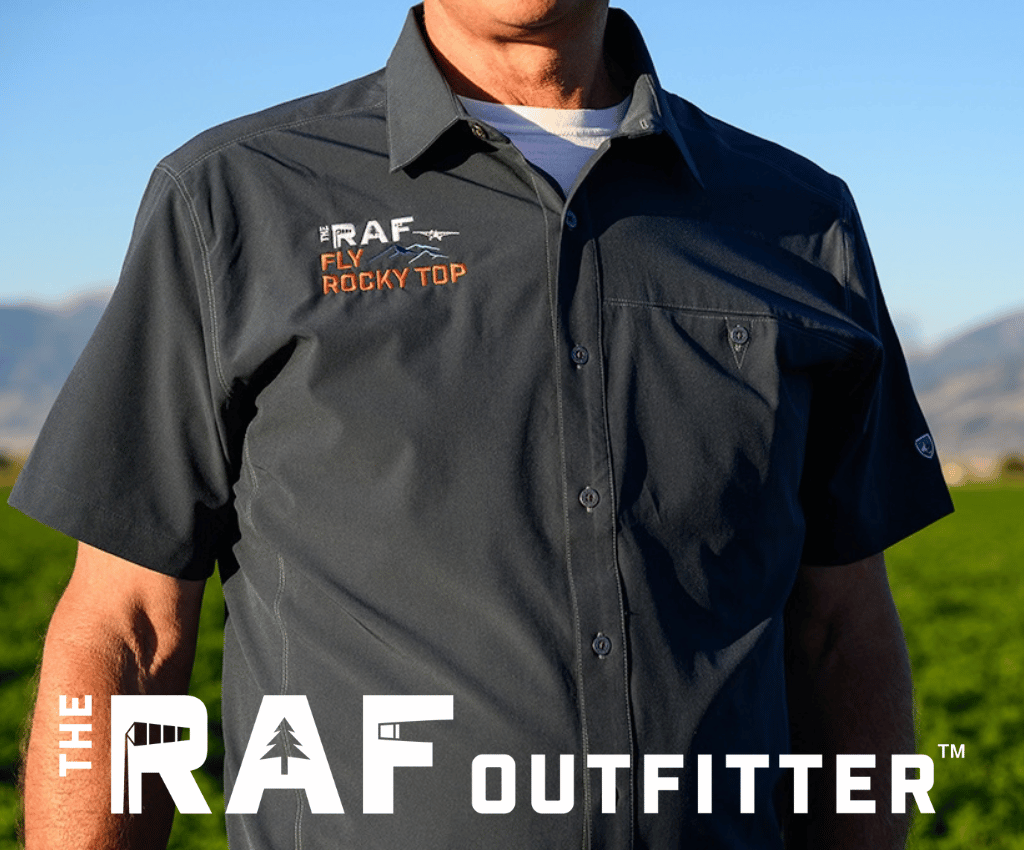
FEATURING: RAF FLY ROCKY TOP COLLECTION This summer, the RAF proudly announced the Fly Rocky Top Airstrip Network, opening up a new way to experience the beauty, adventure, and recreational flying opportunities of East Tennessee. Now, you can take a little Fly Rocky Top spirit with you wherever you go! The new Fly Rocky Top Collection has officially landed at the RAF Outfitter, with something for just about everyone. From adventure-ready KÜHL layers to hats, a lightweight women’s performance shirt, and stickers, the collection was made for days at the airstrip and everywhere your adventures take you in between.
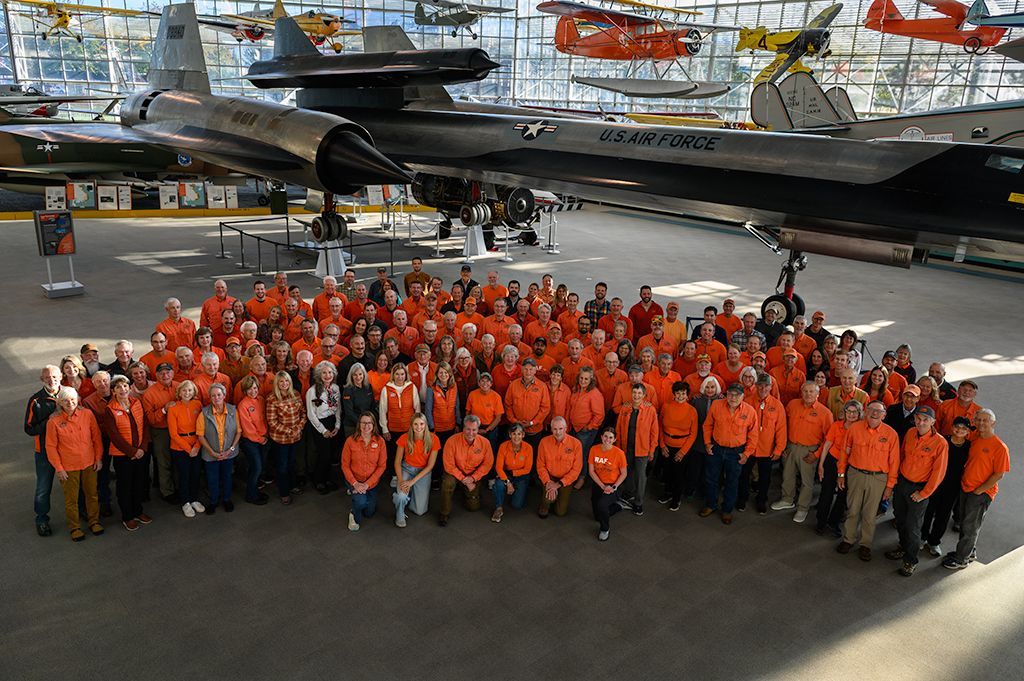
RAF key volunteers from across the nation gathered at Seattle’s Museum of Flight for a two-day RAF Educational Conference that ended Saturday, September 26. The days were filled with discussions about ways to further the RAF mission, beginning with the US Forest Service. The RAF Board of Directors and AOPA co-president Katie Pribyl and board member Peter Burwell updated the group over breakfast, and RAF Liaisons reported on airfield projects. Other presentations included author Richard Kyte on the importance of community, the RAF Safety, Education and Etiquette (SEE) committee reported on its messaging to pilots, Garmin presented its new Axis platform, author Richard Holm presented on the history of aviation’s role in the Idaho backcountry, and RAF Georgia Ambassador Dhruv Thakkar discussed the use of Digital Control Towers. Attendees also received an update on the RAF Airfield Guide and heard from RAF staff on tips for holding work parties and connecting RAF supporters. RAF Utah Liaison Wendy Lessig, RAF New Mexico Liaison Ron Keller, and Oregon Ambassador Kevin Johnson were presented with the RAF's Wind Beneath Our Wings Award for outstanding volunteer contributions to the RAF mission. Among the attendees were National RUS Liaison John Nadeau and his wife, who drove thousands of miles from Maine to join. "It was well worth the trip to learn about important projects fellow volunteers are working on from coast to coast, and how they successfully handle difficult situations using the RAF Way." The conference concluded with a talk from former and current principals of the adjacent Raisbeck Aviation High School. Dinner was later held in the high school, at which retiring RAF Director Steve Taylor was honored. Attendees enjoyed seeing their fellow volunteers and meeting new friends. Volunteers walked away feeling inspired and energized, with new ideas to continue their efforts preserving, improving, and creating airstrips for recreational access. Submitted September 1, 2026 Photo by Jake Peterson
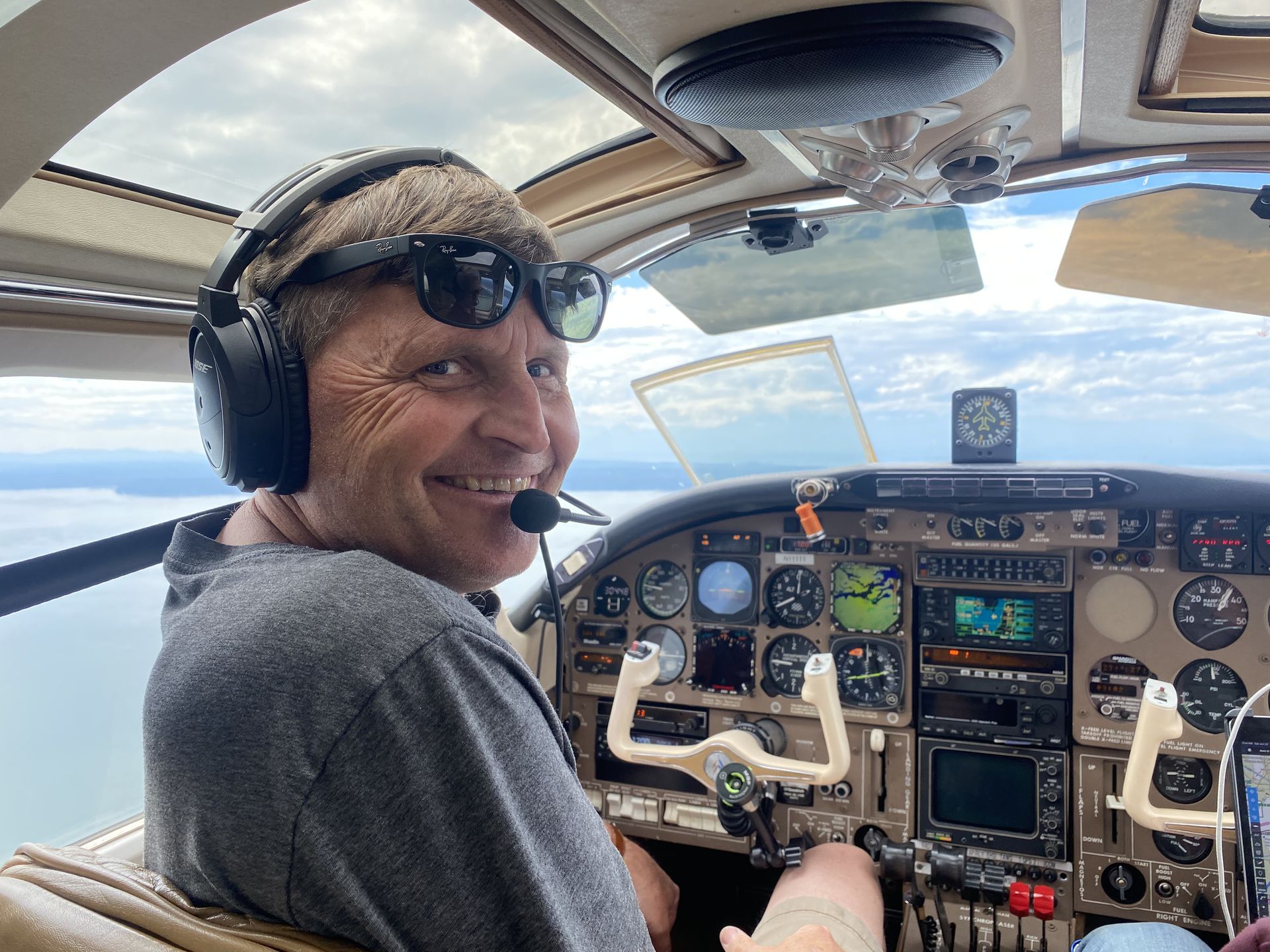
The RAF extends its appreciation to Steve Taylor of the Seattle area for his dedicated service on the RAF Board of Directors from 2019 to 2025. Throughout his time on the Board, Steve generously shared his aviation experience, perspective, and relationships in support of the RAF mission. He contributed to numerous RAF efforts, including the RAF Kodiak missions in support of airstrip work on the Nez Perce-Clearwater National Forest, and has been a valued advocate for the organization and recreational aviation. Steve also played an important role in helping bring the RAF’s 2026 National Educational Conference to Seattle. The gathering gave RAF volunteers, supporters, and partners an opportunity to learn, connect, and spend time together at the Museum of Flight and Raisbeck Aviation High School—two places that reflect Steve’s long-standing commitment to aviation and aviation education. In recognition of Steve’s service to the RAF and his support of the next generation of aviation leaders, the RAF made a donation to Raisbeck Aviation High School in his name during the conference. Steve’s contributions to the RAF extend well beyond any single project or event. We are grateful for the time, experience, relationships, and enthusiasm he has shared with the organization over the years, and we are proud to recognize him as a Director Emeritus. “We can't thank Steve enough for his devotion to the ongoing success of the RAF. He has ‘changed the game' for us in many ways and raised our stature as a volunteer organization,” said RAF President Bill McGlynn. Submitted September 1, 2026