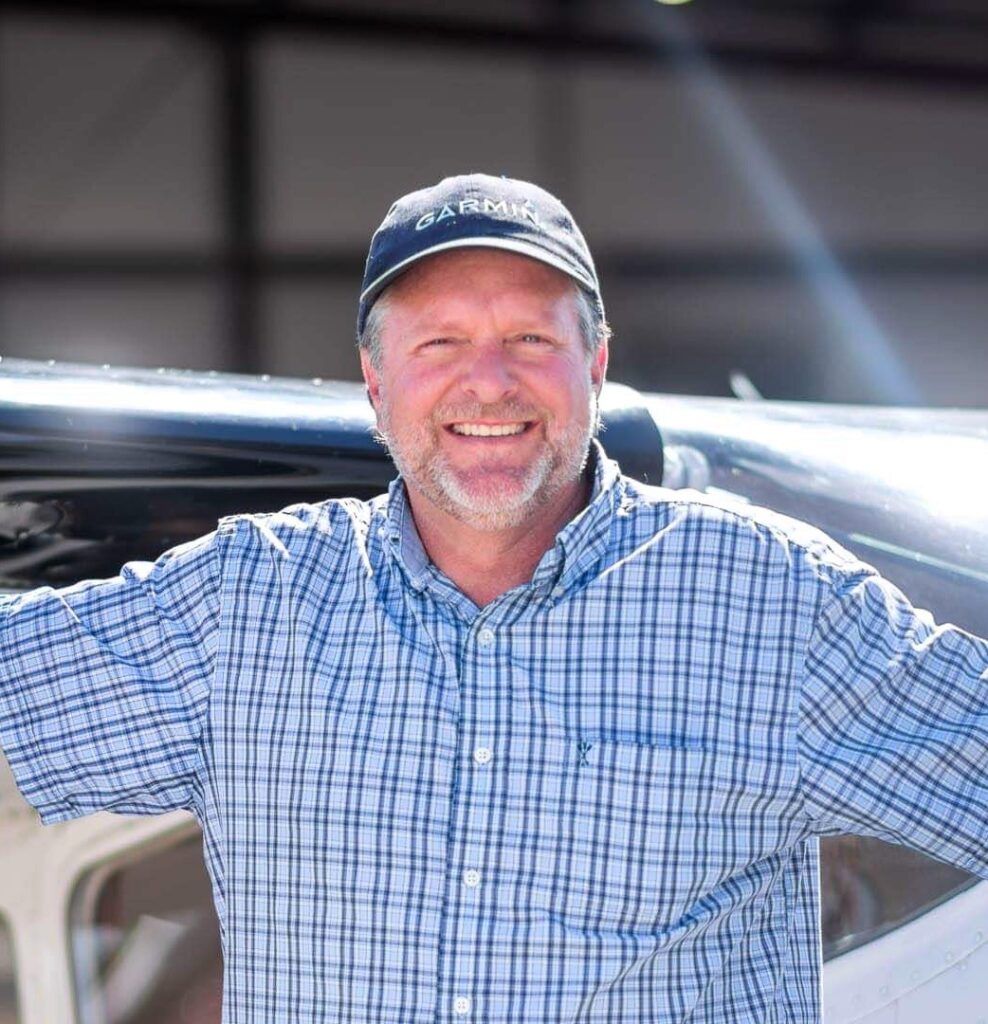
Andrew is a Multi Instrument Commercial Pilot with close to 3000 hours who started flying the Idaho Backcountry after learning to fly in the year 2000. It has been one of his greatest thrills to give back to Idaho after all that it has shared with him. Andrew makes his living off the growth in Idaho as a General Contractor building custom dreams and commercial buildings. He is keenly aware of the importance of managing growth proactively for us all to enjoy the aviation access we love today.
WORTH THE READ: ANDREW GEORGE GUEST EDITORIAL
Our many RAF supporters have such vast and varied experience, and we’re capturing some of their words of wisdom to share with you. This month’s guest editorial is by Andrew George, the President of the Idaho Aviation Association.
When I spoke at the 2024 RAF Volunteer Education Conference in Montana, I emphasized to those in attendance that we face one overarching challenge and one true adversary that poses the greatest threat to our industry: public opinion. I have not wavered in this belief.
As aviators, we are a minority voice navigating within a majority of opinions that often shape policies. These policies, in turn, have the potential to restrict our rights to explore the skies. While we can discuss wilderness access issues, the complexities of the air traffic control system, or even the nuances of proper etiquette and behavior, none of these concerns carries the weight of what a negative public perception can do.
Aviation has long battled the stigma of being unsafe or corrupt and careless at times—an image that does not reflect reality. Every industry has its bad actors, but aviation suffers disproportionately because its rare missteps are often catastrophic and widely publicized. Tragedies overshadow human-interest stories, creating lasting impressions that are hard to reverse.
Consider the devastating events at Reno, when the Galloping Ghost experienced a minor mechanical failure that led to significant loss of life and indelible memories for millions. That singular event reshaped how the Reno Air Races operated and began to erode public support, contributing to the eventual decline of the races at Stead Field.
This delicate balance between public perception and our freedoms is not unique to Reno—it applies across the country. One incident is all it takes to shift public sentiment in a way that permanently alters our ability to enjoy the skies.
I see the RAF as a vital force in combating these perceptions. The organization is uniquely positioned to share positive, corrective information about aviation’s benefits. Unlike larger national organizations like AOPA or EAA, which focus on broad industry-wide concerns or specific passions like building and flying experimental aircraft, the RAF’s grassroots approach is tailored to the needs and culture exemplified within individual states.
Aviation adapts to the physical and cultural geography of each region. The RAF excels by fostering a flow of information from local communities to a central hub and then redistributing it widely. The RIF RAF newsletters are great communicators of regional activities and contributions. This creates a system where local knowledge and stories can shape public opinion far beyond where they originated. The RIF RAF has shown where the Congressional information is shared as well. A benefit to its commitment to work with the Federal agencies throughout.
Because the RAF operates at the airfield level —where its contacts understand the specific needs of local pilots—it is uniquely effective in shaping country wide public perception. By focusing on grassroots engagement, the RAF has already made significant strides in influencing public opinion in many areas, with even greater potential in the future.
To maintain and grow this influence, we must all participate. It takes consistent communication—sharing information, correcting misconceptions, and engaging those who may view aviation as reckless or uncaring. Changing minds requires effort from all of us, not just within our local communities but also in collaboration with those far removed from our own neighborhoods.
We are always one bad day away from a shift in public opinion. While this is the reality of the social environment we live in, the degree of that shift depends on what we do today—how we communicate, how we collaborate, and how we behave as ambassadors of aviation.
We will all share in the struggles to protect our rights as aviators while we also create new ways to ensure our behaviors are safe and perceived as positive. The RAF is poised to be one of the few, deliberate organizations that I see as being in the right place at the right time. The RAF is not the AOPA in size and doesn’t need to be. It is not the EAA and has a singular focus. It is not like the IAA either as we are specific to our geographical areas. The RAF, oh it is sitting pretty in my mind…it has the beauty of being large enough to command a seat at the table, small enough to know where it came from yet powerful enough to add strength to any argument it sees fit. That’s where the RAF provides such assistance to help create a stream of information back and for that will and has shaped positive public opinion.
Let this serve as a reminder: Every day, the IAA (or other organizations) seeks ways to share, communicate, and collaborate—not just locally but across the nation. I strongly support the RAF’s mission and its ability to share our passion for aviation, connecting my community to yours and fostering understanding and appreciation for what we all love.
Andrew is a Multi Instrument Commercial Pilot with close to 3000 hours who started flying the Idaho Backcountry after learning to fly in the year 2000. It has been one of his greatest thrills to give back to Idaho after all that it has shared with him. Andrew makes his living off the growth in Idaho as a General Contractor building custom dreams and commercial buildings. He is keenly aware of the importance of managing growth proactively for us all to enjoy the aviation access we love today.
Posted in News
Recent Posts
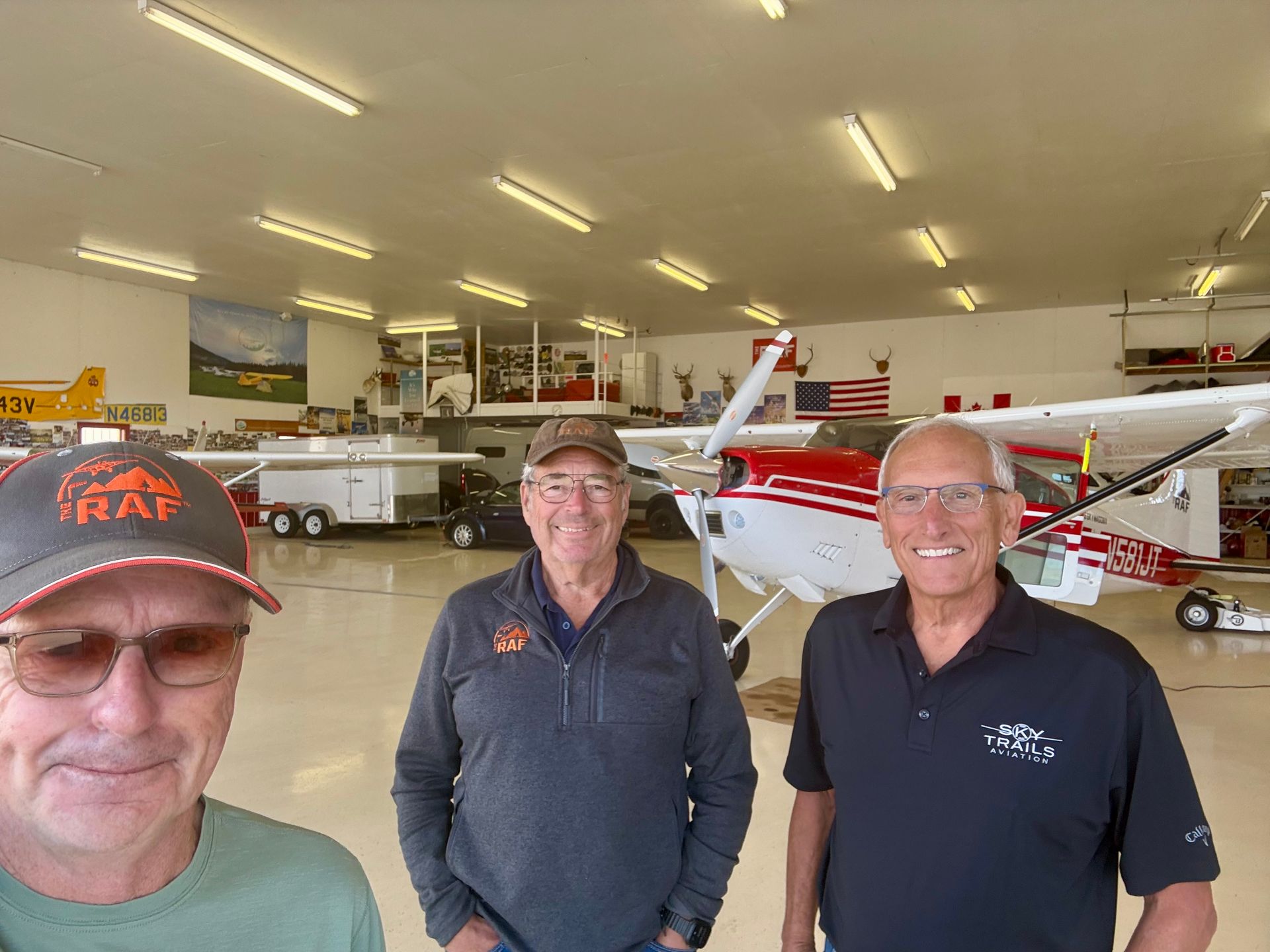
Sometimes one needs to look no further than one's incoming correspondence to find inspiration. Just this past week, folks passionate about the RAF mission reached out to me with suggestions that would bring resources to the RAF. Whether they be one-off items that we might offer, or events like large fundraisers, these folks are offering some thoughts on how we might continue to pay the bills. Additionally, we’re receiving word from folks with new destinations on their mind, and some pretty cool ones at that. Along the way, my inbox – as well as my calendar – is filled with updates on our Expanding the Map effort, with an emphasis on Fly Rocky Top. The Fly Rocky Top initiative in Tennessee is generating strong interest, and for good reason. It feels great. Folks are showing up to pitch in, with significant work projects planned. Trish and I, along with other board members, will be there to lend a hand to this exciting project. We are coming up on our annual year-end letter, which you will be seeing not long from now. In addition to showcasing a few more of our successful projects, we will be seeking your support. Stand by. I’ll wrap this up by letting you know that we could not be more pleased with how you all are doing your part. Thank you. It is so healthy to have an organization that uses passion as a primary energy source. - John McKenna, RAF Chairman Submitted September 14, 2026

“We had a busy day at Garrison Dam Recreational Airpark, as we continue to work on the underwing camping area,” RAF North Dakota Liaison Brian Rau reported. Rau was awarded an RAF grant in spring of 2026 to convert an adjacent day-use park into an airport camping area, and had organized volunteers who began the project in May. The airport, 37N, is closed while the runway and taxiway are being upgraded by a contractor for the ND Aeronautics Commission.
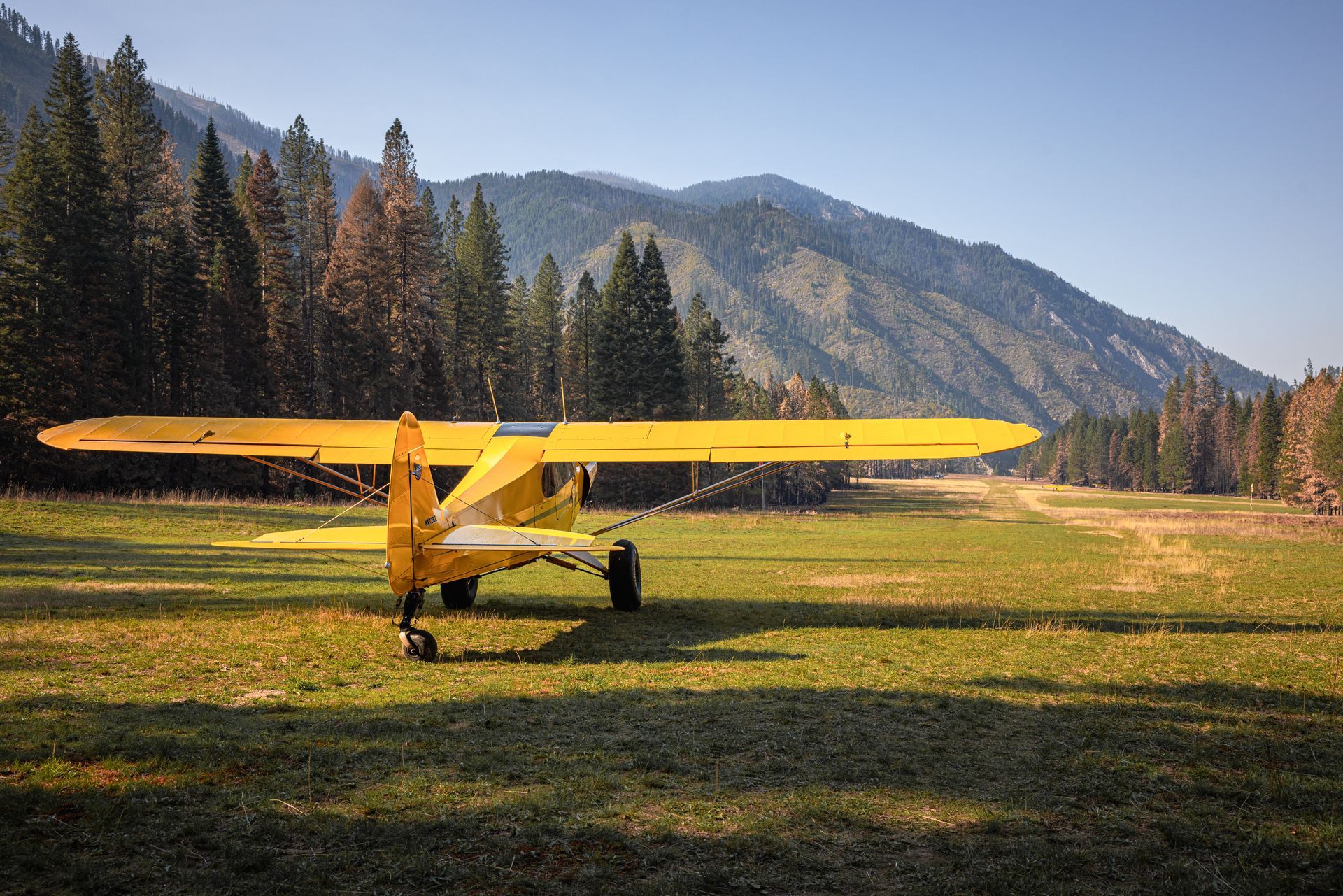
You know the feeling. You set the airplane down somewhere spectacular, shut off the engine, and enjoy the pristine landscape in front of you. This is why you fly. Keeping airstrips pristine is everyone's responsibility. But one item that doesn’t always make it into the airplane is a good trash bag. Not for the trash you planned to make. For the trash you didn’t. Cans left in a fire ring, fishing line along the river, or food wrappers working their way through the brush. None of it came in your airplane, but you have the ability to get it out. That’s reason enough to tuck a couple of heavy-duty contractor bags in with your tie-down gear. They earn their space in other ways, too. A contractor bag can keep wet or muddy gear out of the baggage compartment, cover equipment in a downpour, collect rainwater, or become an emergency poncho or windbreak. It weighs almost nothing and takes up very little room. Throw a few in the airplane and leave them there. You may not need one for your own trash, but there is a good chance you’ll find another use for it—or find something worth carrying out. Submitted September 9, 2026 By Stef Goza, Etiquette Chair, Safety, Education, and Etiquette Committee
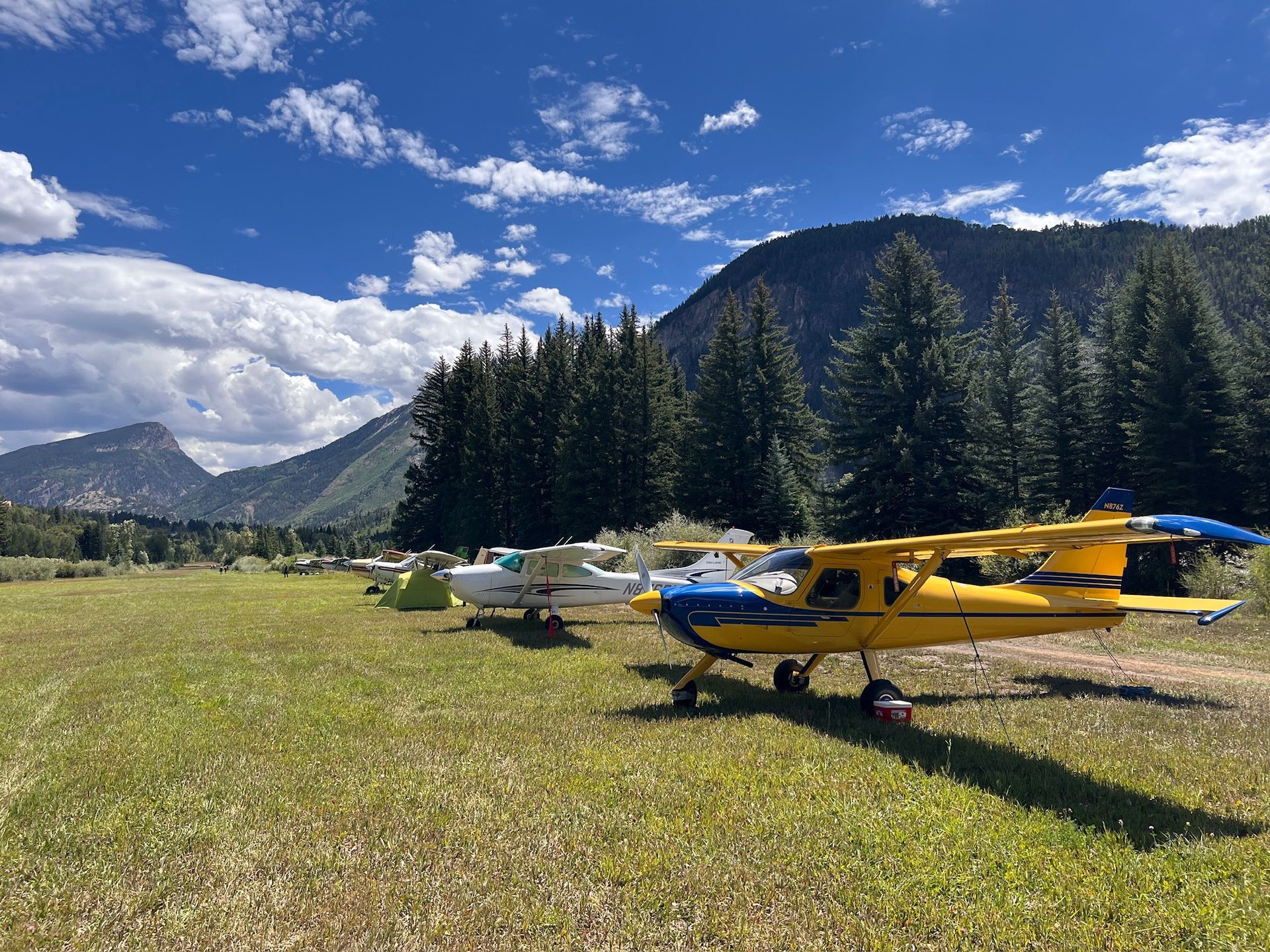
RAF Colorado Liaison Ken Long, Ambassador Mike Langersmith, and other RAF volunteers participated in an August work event at Marble, Colorado, a mountain airfield about 20 nm up the Crystal River drainage south of Carbondale. Airfield Manager Susan Blue put together the task list and oversaw the event that brought 21 volunteers in ten aircraft and four dogs.