RAF FEATURED SUPPORTER: TOM JENSEN
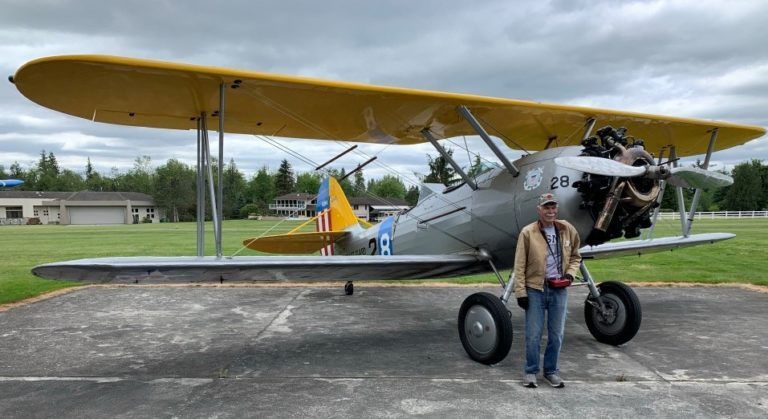
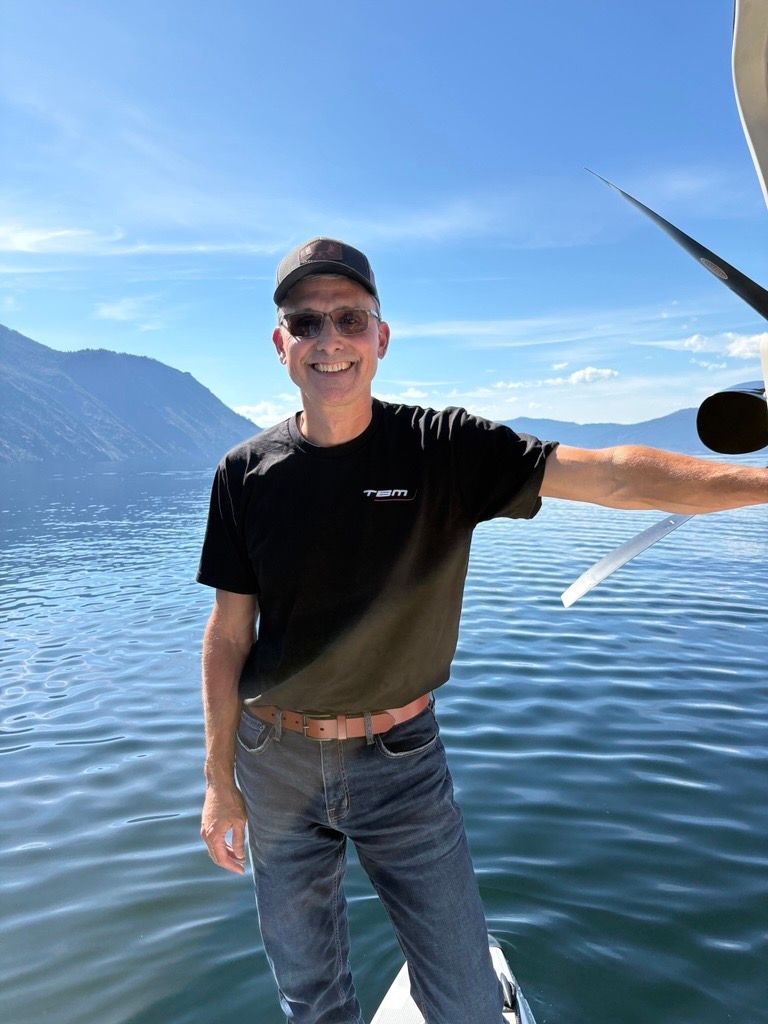
A few moments with Tom Jensen of Evergreen Sky Ranch, 51WA near Auburn, Washington, and you learn he’s had a vast amount of aviation, aeronautical, volunteer, and life experience.
“I caught the aviation ‘disease’ very early. I was hand cranking a Navy N3N open cockpit biplane. You put the crank through the side of the cowl. You spin the flywheel, and engage the clutch. When that radial belched smoke and stink and spun to life, I got it,” Tom says. “The N3N was built out of leftover dirigible parts, and was certified for wheels and floats,” he added.
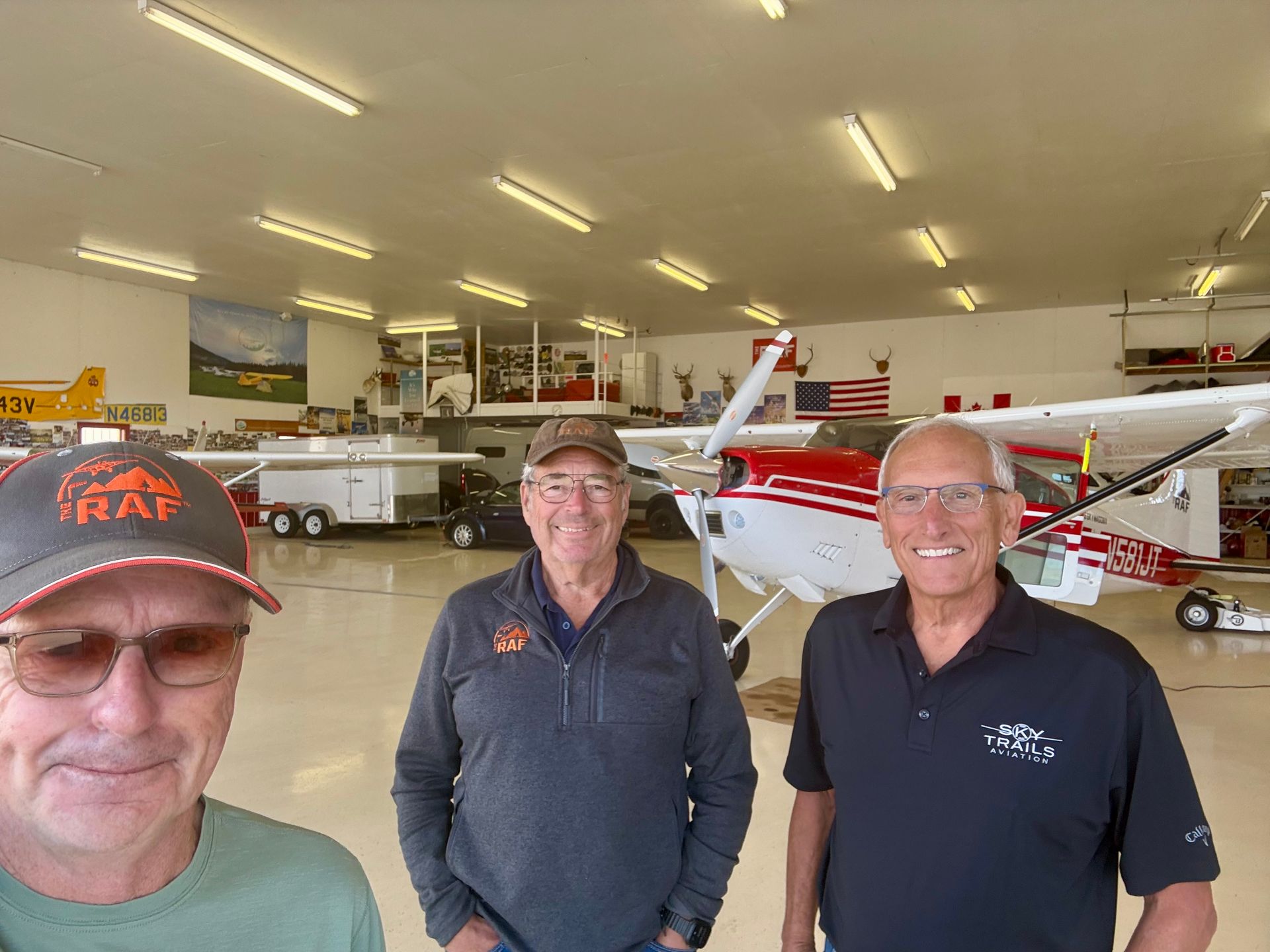
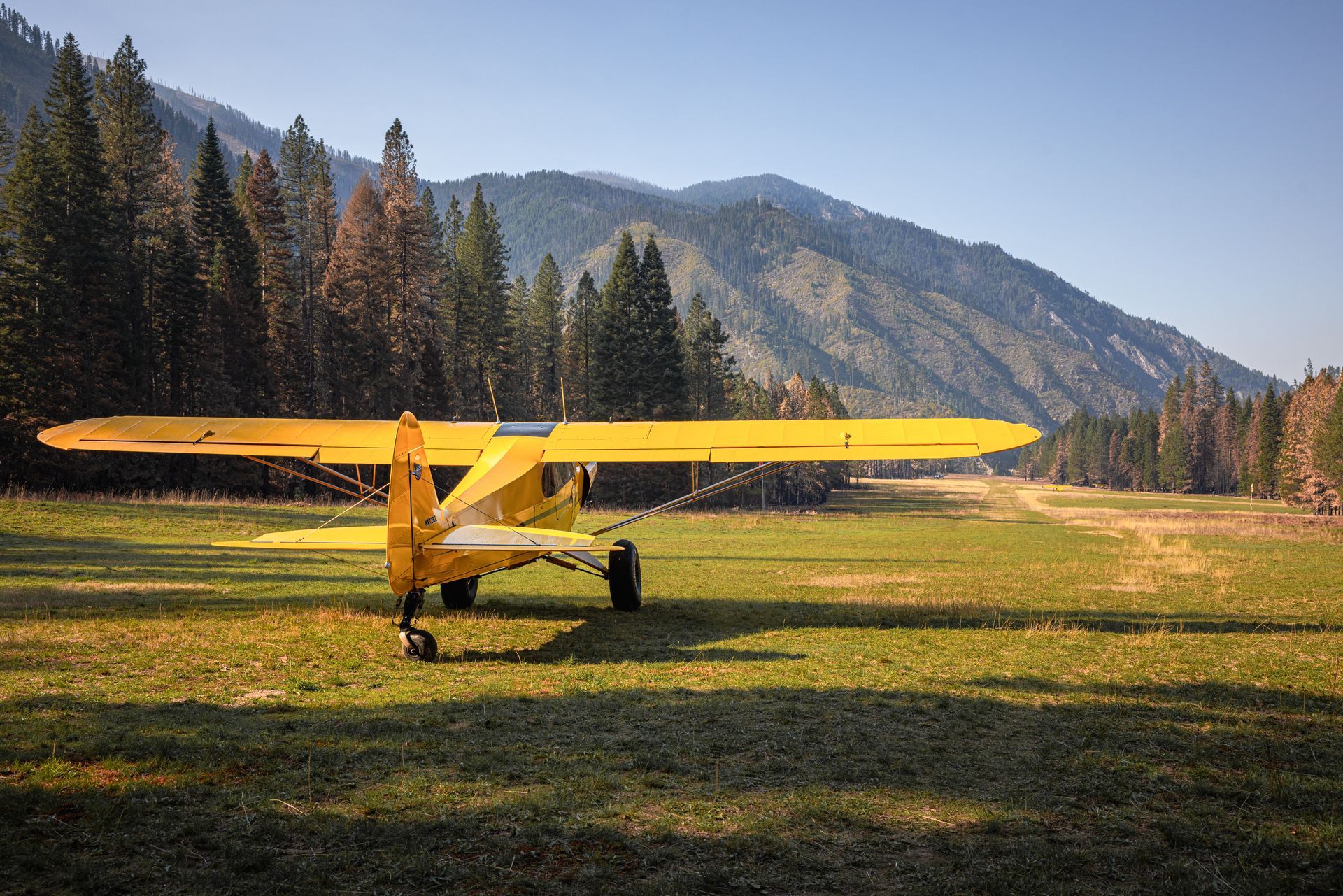
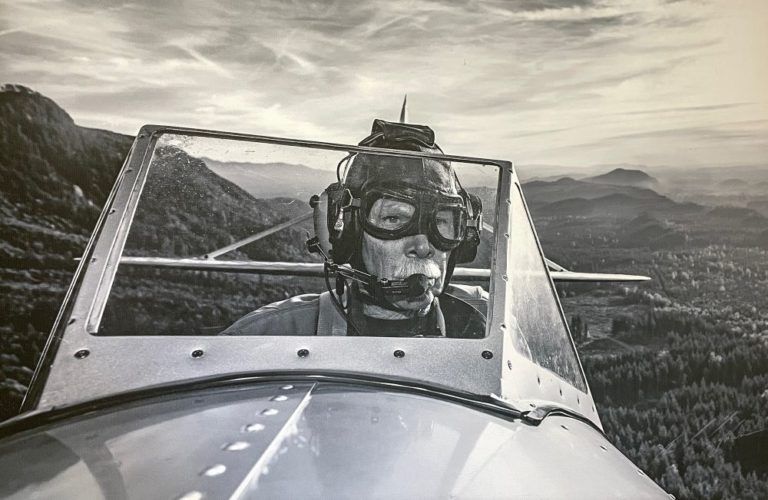
By 1973, Tom had his private license, and by 1980, a dream home on a grass airstrip. His hangar now shelters his 1956 Cessna 180 and his wife Marian’s 1976 Citabria, along with their 1941 N3N-3, one of the four originally given to the Coast Guard. “Flying in that open cockpit in a t-shirt is wonderful,” he said, referring to a recent flight in balmy Pacific Northwest weather. Tom helped organize Washington Air Search and Rescue, and has “lots of hours” flying search and rescue.
Tom, now in his eighth decade, has engaged himself from Circle, Alaska to Australia, not all of it a result of flight. Sit down around a campfire and ask him about re-powering a Bucyrus-Erie 750-ton dragline for a gold mine near Alaska’s Ester loop highway. Or about some of his Search and Rescue flights, one of which was for a lost hiker near Mount Adams. Tom’s search was confounded by an all-out search unfolding at the same time for a sheriff’s deputy who’d gotten himself lost on a hunt for a marijuana patch. The county helicopters and ground vehicles jammed Tom’s radio frequency. Ask him about the Dornier seized during a narcotics raid that he ferried to the state auction. His wife held his arm down so he couldn’t bid on it. But he did end up with a Dornier Do27 for two years. Get comfortable and ask him about the airplanes from the Israeli Air Force. Or hunting wild pigs on David Packard’s ranch in California.
Throughout all, Tom’s passion to give back emerges. His father graduated from law school in the depth of the Great Depression. As a country lawyer in Santa Ynez, California, he often got paid in-kind. Bales of hay and other commodities were good as cash to him. The senior Jensen wrestled in the 1932 Olympic Preliminaries, and wished to join the military. But the Army wouldn’t take him because of his flat feet. So Mr. Jensen fought his own war, and challenged America’s internment of Japanese on Constitutional grounds. His sentiments were not popular in the day, and triggered a local newspaper to dub him a member of the “Kiss A Jap A Day” club. “He was seventy years ahead of his time,” Tom reflects, adding, “Dad did a lot of ‘give-back’, which may be where I got it.”
His dad helped establish the Santa Ynez airport (KIZA) in its present location where Tom remembers his first plane ride in a Cub. The strip was initially gravel, and Tom witnessed a Cub ground loop. “It dragged a wingtip and came to a stop in a cloud of dust with two fools laughing like idiots,” Tom recalls.
Tom’s first wife, Nancy, was treated at the University of Washington by an oncologist who Tom calls “a caring physician,” who motivated Tom to support her research there, generally for ovarian cancer, “to do the most good for the most women,” he says.
Professionally, Tom completed a 46 year career with the Boeing Company. “I was fortunate to work on three different commercial airplanes from preliminary design to first flight,” he says, along with flying boats – hydrofoils where he was an “industrial diver”, electrically powered flight controls, a spacecraft, and missiles.
Since 1965, Tom has watched as ten airports were closed in Western Washington. He met the RAF and its mission really inspired him to provide support and get involved. He was part of the work party during last fall’s fence project at the USFS airfield at Moose Creek, Idaho. “I was healing up from a hernia operation, but did my best to keep up with the other volunteers, especially Lisa Ballantyne. The whole operation was wonderfully organized. I was lucky to be part of that event,” he added.
Now Tom has his eye on getting Rogersburg (D69) reopened near the confluence of the Grande Ronde and Snake Rivers along the Oregon-Washington border. Volunteer pilots from Idaho, Oregon, and Washington have been involved, and Tom hopes that together with the RAF, recreational access can be restored.
By Carmine Mowbray
Submitted March 14, 2024
By Carmine Mowbray
Recent Posts