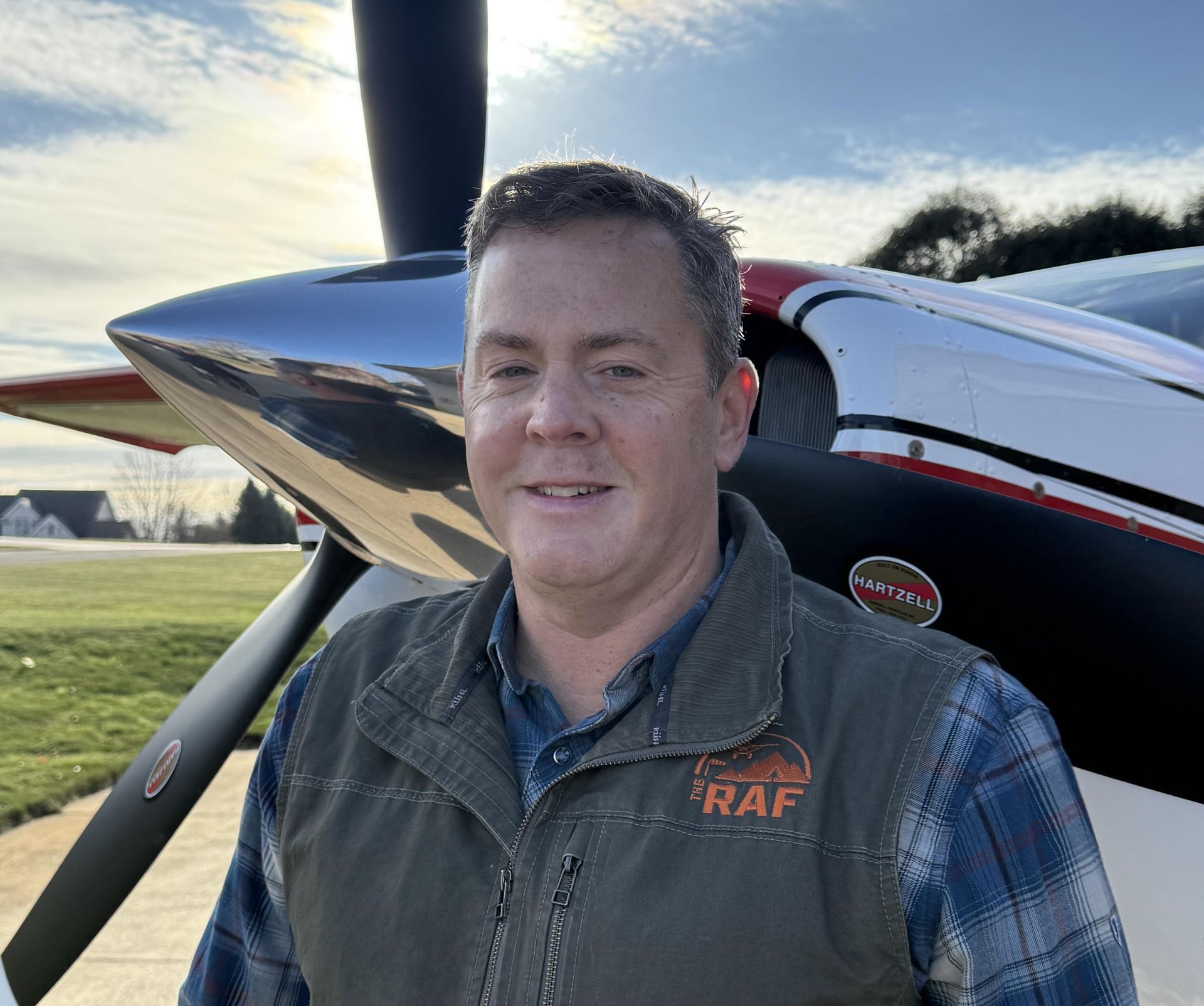
Matt Foster, RAF Director and Safety, Education, & Etiquette Committee Chairman
SHAKE OFF THE RUST BEFORE THE ROCKS
By Matt Foster, RAF Director and Safety, Education, & Etiquette Committee Chairman
A Backcountry Pilot's Guide to Preseason Preparation
There’s a moment every spring that backcountry pilots know well. The snow is melting off the mountains, grass strips are starting to firm up, and somewhere out there, a backcountry airstrip with a spectacular view has your name on it. You’ve been watching the latest YouTube adventures, scrolling through jaw-dropping Instagram feeds, and bookmarking strips on the RAF Airfield Guide all winter long. The itch is real. But before you point the nose toward the hills and start threading canyons, let’s be honest with ourselves: the airplane probably isn’t the only thing that needs a winter tune-up.
Here in the upper Midwest, flying season takes a serious nap between December and March. That’s time well spent on annuals, upgrades, and wistfully scrolling through ForeFlight. But when the grass runways start opening up and that countdown clock fires in your head, it’s worth asking: is the pilot as airworthy as the airplane?
"The airplane got its annual. When's the last time the pilot did?"
Instead of just flying the same old lunch runs or knocking out a rote flight review, think about what you actually plan to do this season. Backcountry flying demands a specific skill set, and those skills don’t stay sharp on their own. The good news? Purposeful practice is genuinely fun, especially when you frame it around the adventures ahead.
Get the Pilot Airworthy
As a Director at The Recreational Aviation Foundation (RAF) and chairman of its Safety, Education, and Etiquette (SEE) team, I spend a lot of time thinking about the hazards of backcountry flying and what it takes to make this part of aviation increasingly safe, enjoyable, and accessible to more pilots. One principle keeps rising to the top: start close
to home. The best place to shake off the winter rust is your home airport and local practice areas that are familiar, forgiving environments where you can push your limits without adding canyon walls to the equation. Think of these exercises not as drills, but as the training montage before the main event.
- Fly at gross weight (or your target backcountry load-out). Seriously - load it up. Too many pilots head into the backcountry having rarely flown their airplane heavy or with a rearward CG. Practice those takeoffs and go-arounds at home. Climb to an MSL altitude that approximates your destination’s density altitude and note your performance. Know your numbers when the airplane is heavy and high. Your aircraft at gross weight with full flaps may have a personality you’ve never fully met; better to make that introduction at home.
- Short field takeoffs and spot landings. Do them until your worst landing would still make you smile on a short Idaho strip. Bring a friend to measure, or use Google Earth to mark your touchdown zones and distances. Repetition here is everything.
- Canyon turns. You can’t replicate the visual drama of a real canyon at the local patch, but you absolutely can nail the aircraft configuration and performance needed. Work steep turns, slow flight at altitude, and power-on maneuvering into your flight review instead of the usual S-turns. Your CFI might even find it refreshing and pick up something new along the way.
- Go-arounds from every point on the approach. Not just the classic last-second abort, try a turning go-around from base leg, simulating an obstacle you didn’t spot until late. Try it in different configurations. If your airplane has a personality change with full flaps and a heavy load (and many do), that’s something to discover at home, not in the backcountry.
- Dragging the field. A pure backcountry staple, a slow, wheels-light touchdown that lets you read the surface before committing. It’s a fantastic aircraft handling exercise in general, and an essential tool when you’re not sure what that remote strip is going to feel like underwheel. Check for gumbo clay before committing to land!
- Non-standard patterns. Tight patterns. Varying altitudes. Straight-ins. That comfortable 1,000-foot parallel downwind may not exist where you’re headed. Practice at a low-traffic airport; just be a good neighbor about noise abatement and other traffic.
- Leaning for density altitude. Know how to do it. Know how to do it confidently. If your home field sits near sea level and your summer plans involve 7,000-foot strips baking in the day’s heat, this isn’t a detail; it’s a prerequisite.
"Do as many spot landings as you need until your WORST one would still be acceptable where you're going."
Open the Bins...Yes, All of Them
While you’ve got momentum, dig out everything you carried last season and take a hard look. The offseason is the perfect time to audit your kit, refresh the consumables, and think critically about what you actually used versus what just added weight. And while you’re in there, grab a fresh roll of duct tape. It’s practically a food group in the backcountry.
- Secure your load. How are you tying things down in the baggage compartment? Turbulence is one thing, but a sudden hard stop is another. Anything behind you should stay behind you. Practice your system until it’s simple and second nature, not something you skip on a rushed morning departure.
- Pack your spares smart. Tubes, alternator belts, safety wire, and a handful of common hardware organized in labeled, durable bags (Harbor Freight sells them for under a dollar, if exotic isn’t your style). Keep the tool bag separate from the tie-downs. Keep the windshield towels separate from everything else. A little organization now saves a lot of frustration in the field.
- Check the camping gear. Did you dry out the tent before storing it? Is the sleeping bag still rated for where you’re flying? Is that sleeping pad ready for another season, or is it time to upgrade? Balance comfort and weight. Even a few ounces shed on old gear translates to useful load gained. Every pound counts when you’re eyeing a short strip at elevation.
- New tent rule: always set it up at home first. A rainy backcountry evening is not the time to discover a missing pole.
- Safety and survival gear. The RAF and experienced backcountry pilots have written extensively on what to carry; there’s no shortage of good guidance. The honest self-check is simply this: is it in the airplane, or is it on you? Gear stowed in the tail does you limited good in certain scenarios. It’s worth thinking about before you need to think about it, and I’ll be the first to admit I need to do better here myself.
Get Excited. Get Ready.
The backcountry flying community is arguably the most passionate corner of general aviation right now, and for good reason. There is nothing quite like setting down on a remote strip, cutting the engine, and hearing… nothing but wind and the world. The places you’ve seen in videos, heard about around the campfire, or maybe returned to for
years, they’re out there, waiting.
The prep work outlined here isn’t a chore; it’s part of the adventure. Every short-field landing is a preview of what’s coming. Every gross-weight takeoff is a rehearsal. And when you finally drop into that gorgeous strip you’ve had saved on your phone all winter, you’ll be glad you put in the work.
Get the airplane ready. Get yourself ready. Then go have the summer you’ve been planning since January.
Submitted April 14, 2026
Photo credit: Grace Willig
Submitted April 14, 2026
Photo credit: Grace Willig
Recent Posts
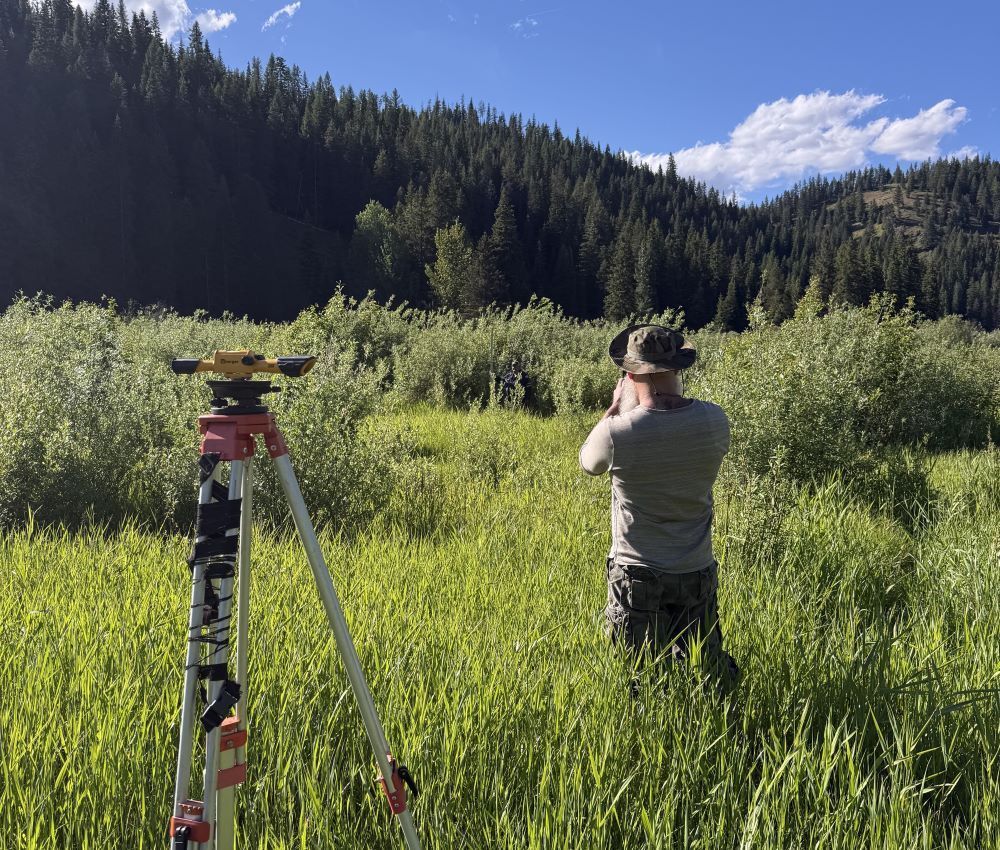
The RAF is excited that our Expand the Map initiative to open and rehabilitate airfields is off to an impressive start. As a result, we are seeking an airport engineer who is willing to volunteer their consulting services on airfield projects around the country. "Our supporters have many talents and areas of expertise," President Bill McGlynn said. “Please let us know if you’re an airport engineer who would be interested in volunteering your knowledge to improve recreational airfields.” Please contact Erin White, RAF Volunteer Coordinator, ewhite@theraf.org . Submitted October 8, 2026.
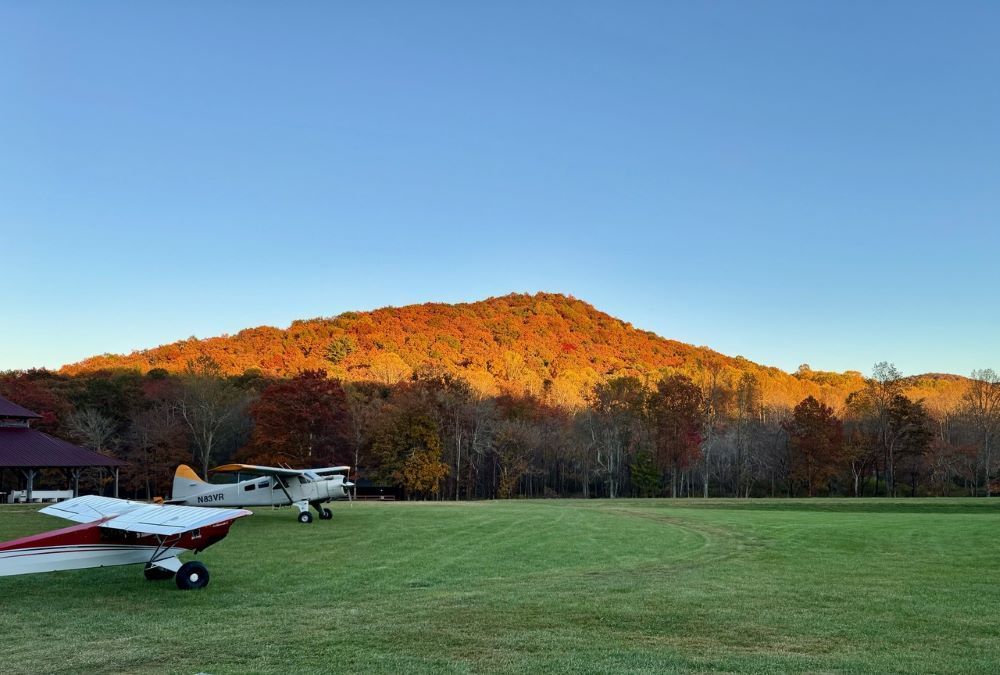
Like many people at this time of year, you may be considering your charitable contributions. The RAF is fortunate to have a deep bench of professional financial planning talent with several planned giving ideas to help you enjoy the advantage of tax benefits while benefiting the RAF mission. You can even specify a project that you'd like to support. You may not be aware of a new opportunity this year: Those who use the standard deduction (like most taxpayers), can deduct up to $1,000 ($2,000 for couples) for your direct donation to the RAF, without itemizing. This gives everyone a charitable giving tax-advantage, not just high-income donors who itemize. If you have any questions, a great way to start is to contact RAF Texas/Montana Ambassador Steve Maus, CLU, MSFS, and Chartered Advisor of Philanthropy. Reach him at: smaus@theraf.org .
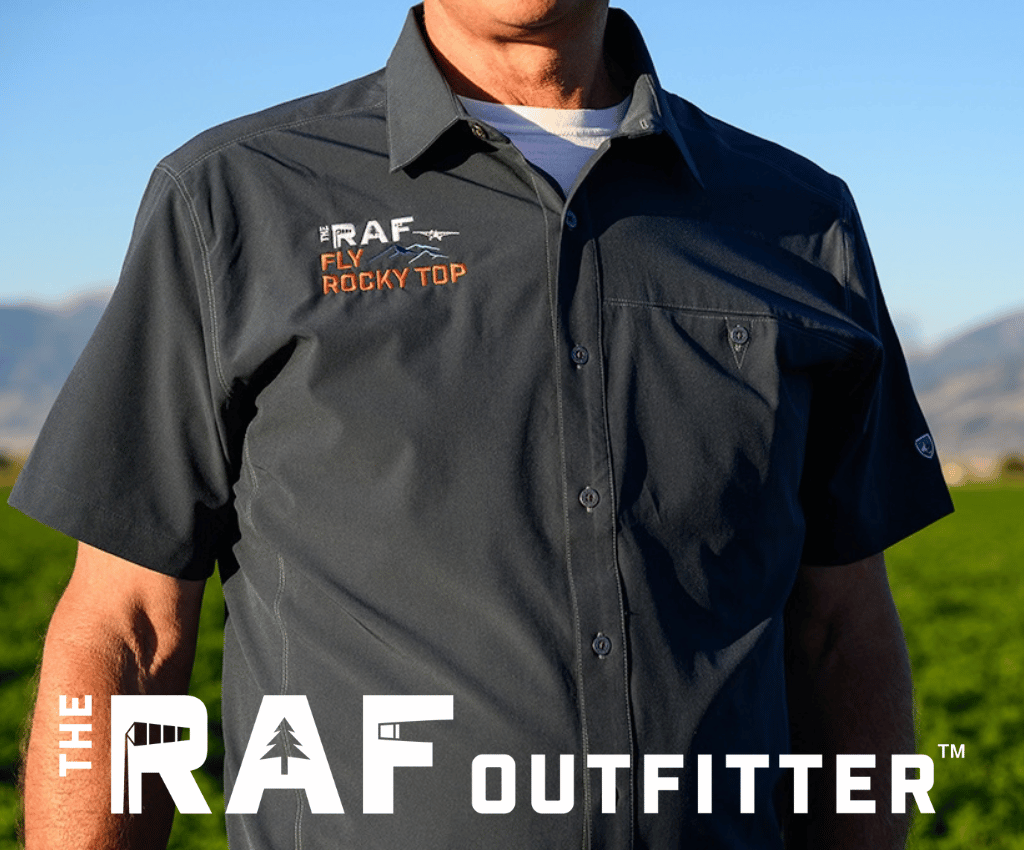
FEATURING: RAF FLY ROCKY TOP COLLECTION This summer, the RAF proudly announced the Fly Rocky Top Airstrip Network, opening up a new way to experience the beauty, adventure, and recreational flying opportunities of East Tennessee. Now, you can take a little Fly Rocky Top spirit with you wherever you go! The new Fly Rocky Top Collection has officially landed at the RAF Outfitter, with something for just about everyone. From adventure-ready KÜHL layers to hats, a lightweight women’s performance shirt, and stickers, the collection was made for days at the airstrip and everywhere your adventures take you in between.
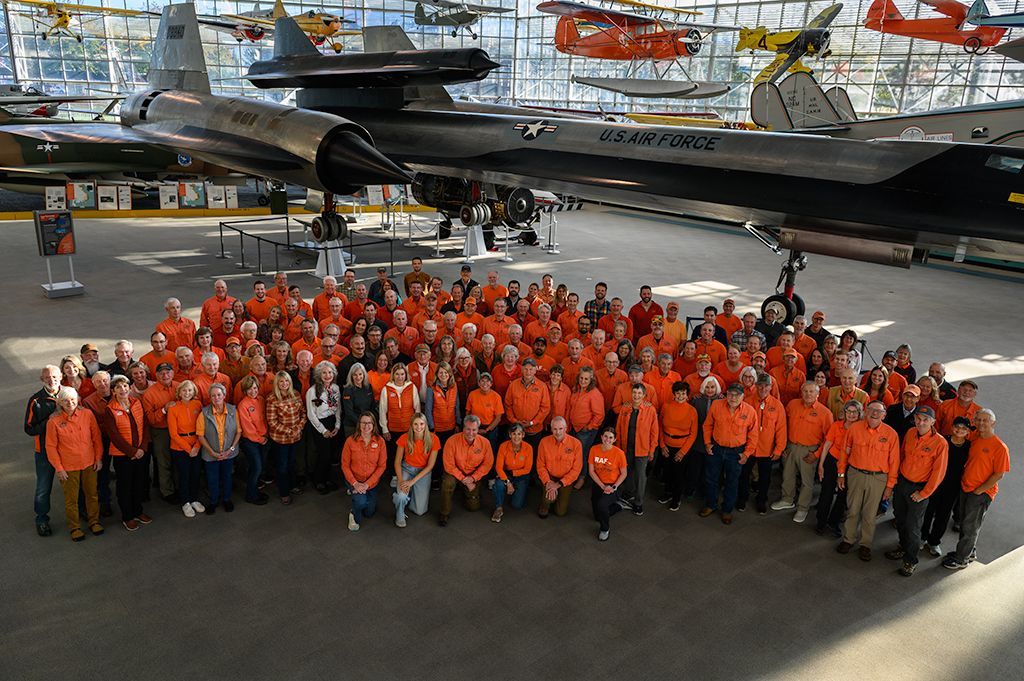
RAF key volunteers from across the nation gathered at Seattle’s Museum of Flight for a two-day RAF Educational Conference that ended Saturday, September 26. The days were filled with discussions about ways to further the RAF mission, beginning with the US Forest Service. The RAF Board of Directors and AOPA co-president Katie Pribyl and board member Peter Burwell updated the group over breakfast, and RAF Liaisons reported on airfield projects. Other presentations included author Richard Kyte on the importance of community, the RAF Safety, Education and Etiquette (SEE) committee reported on its messaging to pilots, Garmin presented its new Axis platform, author Richard Holm presented on the history of aviation’s role in the Idaho backcountry, and RAF Georgia Ambassador Dhruv Thakkar discussed the use of Digital Control Towers. Attendees also received an update on the RAF Airfield Guide and heard from RAF staff on tips for holding work parties and connecting RAF supporters. RAF Utah Liaison Wendy Lessig, RAF New Mexico Liaison Ron Keller, and Oregon Ambassador Kevin Johnson were presented with the RAF's Wind Beneath Our Wings Award for outstanding volunteer contributions to the RAF mission. Among the attendees were National RUS Liaison John Nadeau and his wife, who drove thousands of miles from Maine to join. "It was well worth the trip to learn about important projects fellow volunteers are working on from coast to coast, and how they successfully handle difficult situations using the RAF Way." The conference concluded with a talk from former and current principals of the adjacent Raisbeck Aviation High School. Dinner was later held in the high school, at which retiring RAF Director Steve Taylor was honored. Attendees enjoyed seeing their fellow volunteers and meeting new friends. Volunteers walked away feeling inspired and energized, with new ideas to continue their efforts preserving, improving, and creating airstrips for recreational access. Submitted September 1, 2026 Photo by Jake Peterson
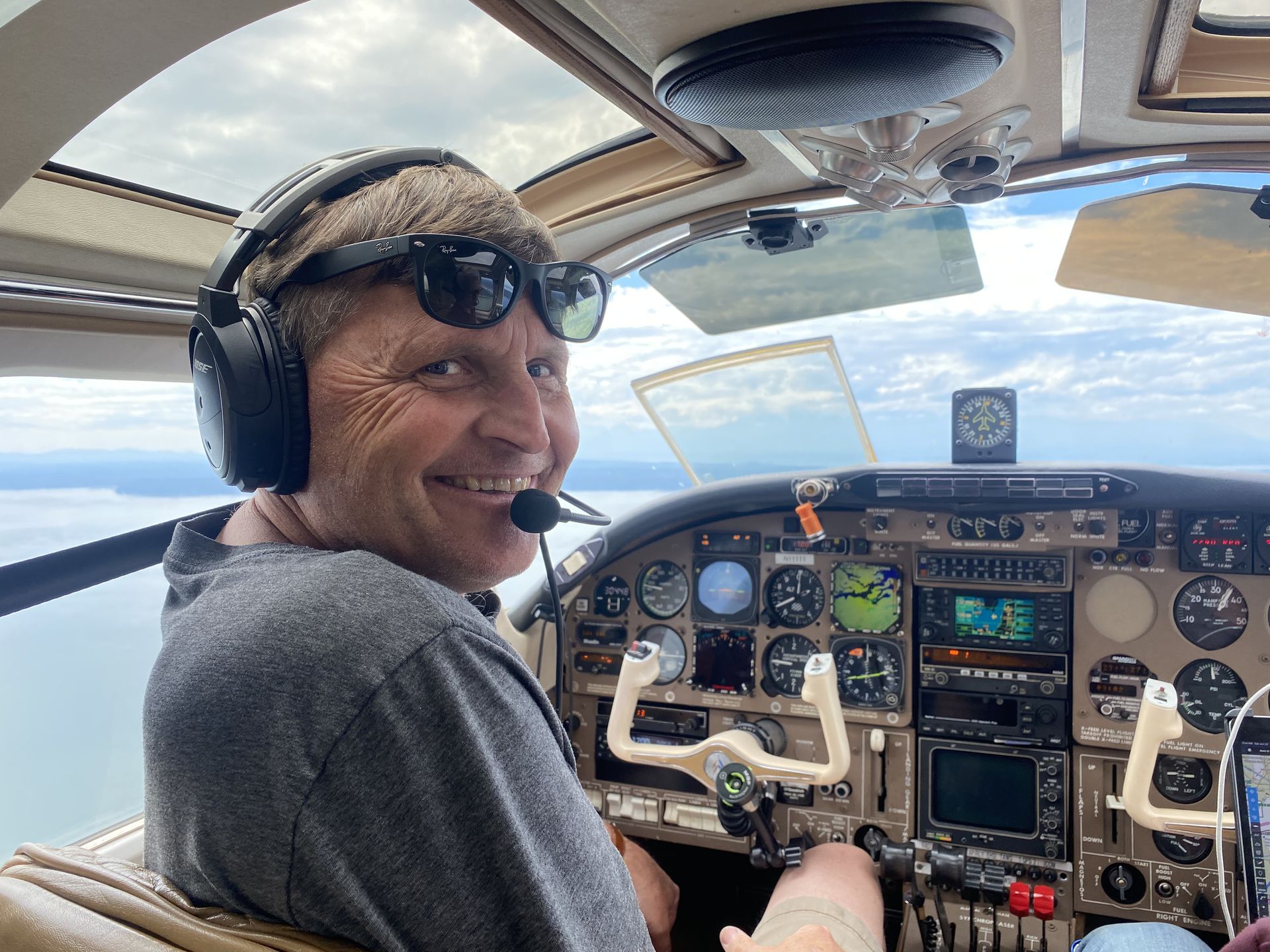
The RAF extends its appreciation to Steve Taylor of the Seattle area for his dedicated service on the RAF Board of Directors from 2019 to 2025. Throughout his time on the Board, Steve generously shared his aviation experience, perspective, and relationships in support of the RAF mission. He contributed to numerous RAF efforts, including the RAF Kodiak missions in support of airstrip work on the Nez Perce-Clearwater National Forest, and has been a valued advocate for the organization and recreational aviation. Steve also played an important role in helping bring the RAF’s 2026 National Educational Conference to Seattle. The gathering gave RAF volunteers, supporters, and partners an opportunity to learn, connect, and spend time together at the Museum of Flight and Raisbeck Aviation High School—two places that reflect Steve’s long-standing commitment to aviation and aviation education. In recognition of Steve’s service to the RAF and his support of the next generation of aviation leaders, the RAF made a donation to Raisbeck Aviation High School in his name during the conference. Steve’s contributions to the RAF extend well beyond any single project or event. We are grateful for the time, experience, relationships, and enthusiasm he has shared with the organization over the years, and we are proud to recognize him as a Director Emeritus. “We can't thank Steve enough for his devotion to the ongoing success of the RAF. He has ‘changed the game' for us in many ways and raised our stature as a volunteer organization,” said RAF President Bill McGlynn. Submitted September 1, 2026