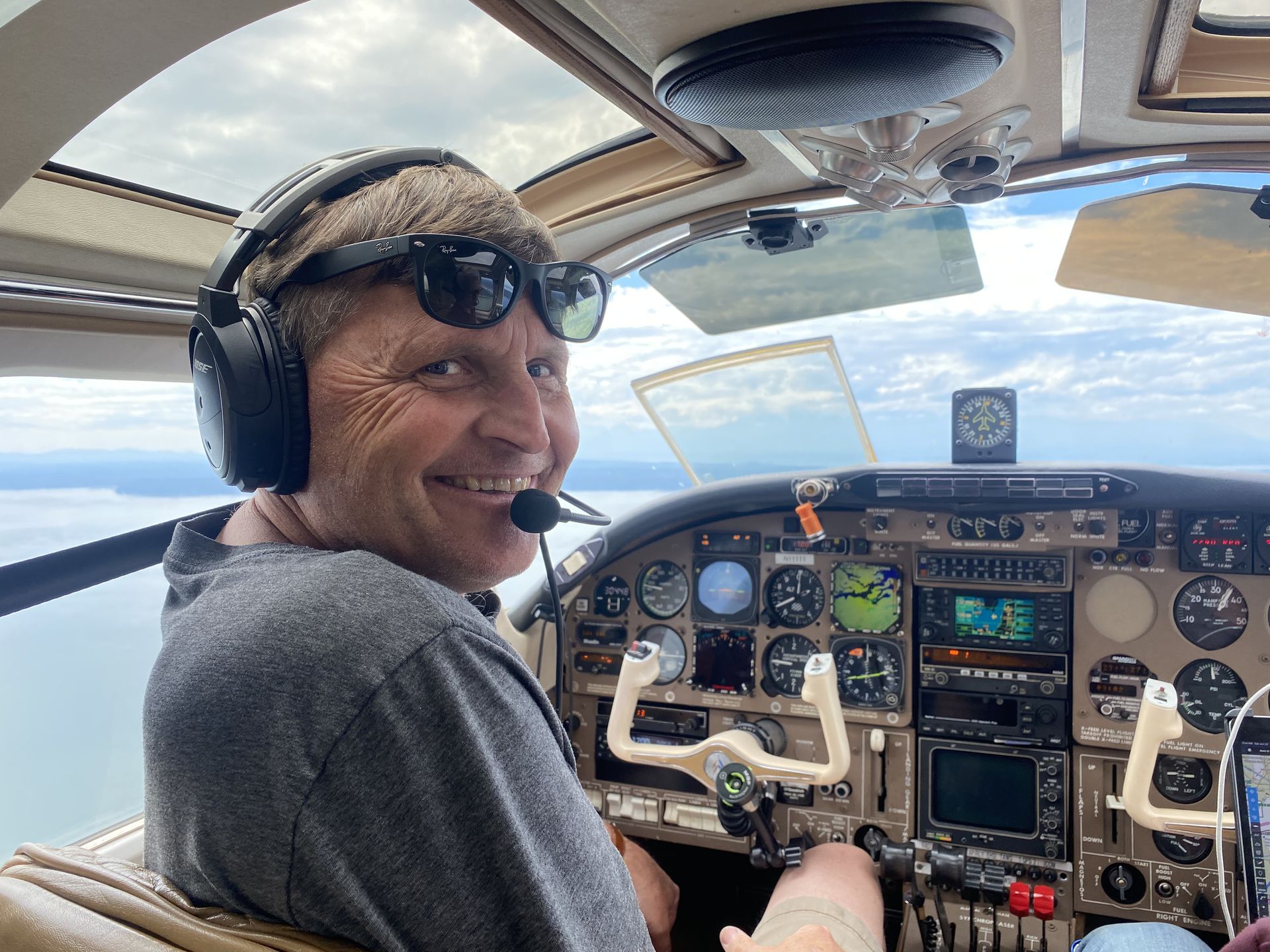
RAF FEATURED SUPPORTER: ROBERT MILLER
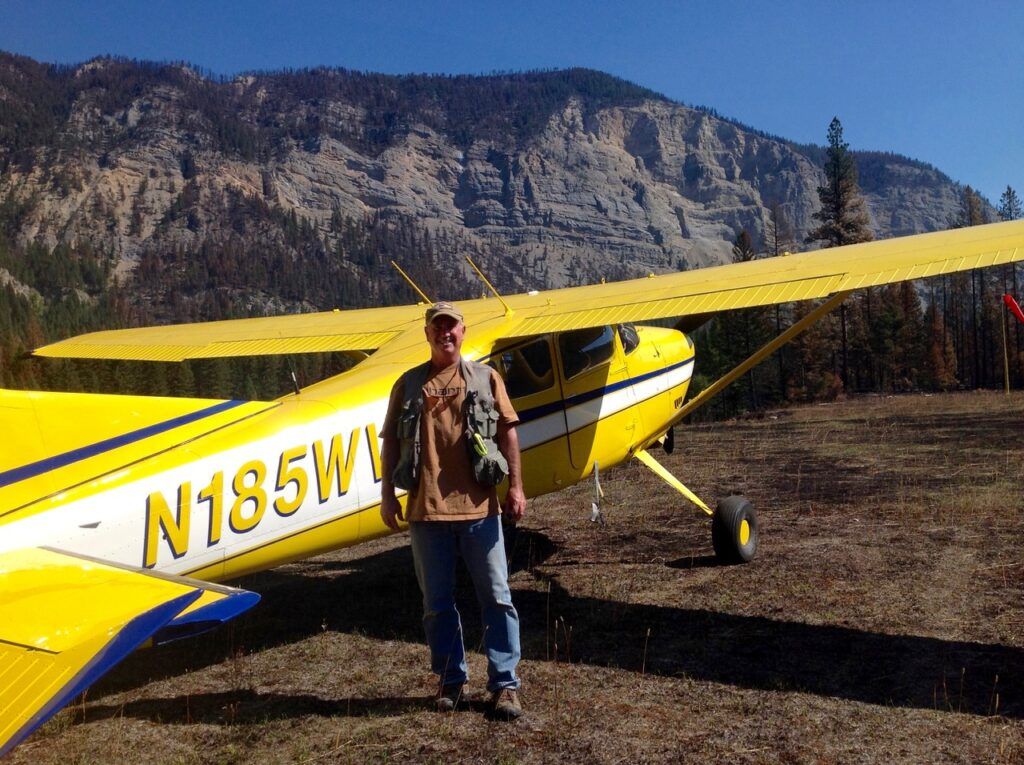
From flying in and helping build amenities at Ryan Field, MT, to flying delivery missions for projects at Forest Service airstrips in Idaho, RAF Supporter Robert Miller’s contributions to the RAF over the years have been many.
Robert Miller was raised “one ridge over” from Charleston, West Virginia’s airport, close enough that he was one of those kids hanging on the airport fence watching airplanes. His father’s friend founded West Virginia’s Aeronautics department and flew the governor, which gave Robert a glimpse into the world of aviation. Robert initially studied in the medical field, then “made a hard right” and decided to pursue his passion for aviation when he realized it was a possibility, and he began earning his ratings.
Starting in corporate aviation flying several Cessna models, a King Air and a Citation, his airline career began with Henson/Piedmont on the Beech 99, Shorts 330 “Box with wings”, and the STOL four engine Dash 7, “where we’d get cleared for Washington, DC’s crosswind runway and stop before the traffic using the main runway,” he explains. Finally landing his dream job at Piedmont Airlines, “I came out the other side, retiring from American Airlines,” he says. During that career, he took time to practice his interest in mountain flying, and in 2000 he bought his C185 that he still enjoys flying today. He flew the Idaho and Montana backcountry with Lori MacNichol and Amy Hoover. “I love everything about the serenity, the beauty, where you can be by yourself or be as social as you want,” he says.
“My hobby is to take a nice piece of land, and turn it into something pretty,” he says. His definition of pretty? An airfield! And he has done just that, four times, beginning in West Virginia, where he built “a crooked one way in, one way out airfield.” While living and working ten years in the Seattle area, he built a 1,200-ft strip on land he turned so beautiful it became a wedding venue. Flying in that area included exploring the nearby Olympic and Cascade Mountains, and San Juan Island airfields.
His love of the Montana and Idaho mountains drew him a bit east, where he spent ten years living on a beautiful airfield he built on the Flathead River just east of Kalispell City airport. While living there, he volunteered for many work parties at Ryan Field.
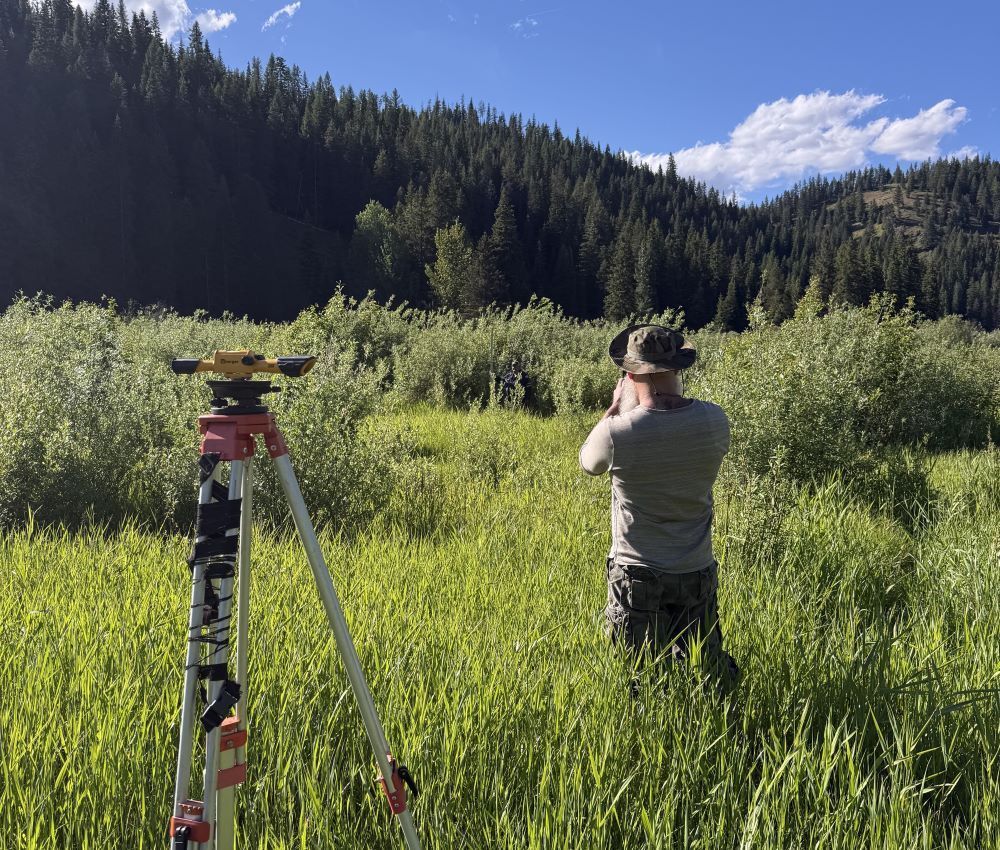
With his experience and love of mountain flying, Robert has flown many volunteer delivery missions for the RAF throughout US Forest Service cooperative projects. He made multiple deliveries of USFS personnel, AmeriCorps and RAF volunteers, construction materials, meal supplies, and “even the camp cook and his dog” into Moose Creek USFS airstrip. Daher donated the use of both the Kodiak 100 and 900 for the project. Using the 900, he brought a full load of shingles into Shearer’s 2,000 x15-ft runway.
Considering his accumulation of off-the-pavement flying experiences, it makes sense that Robert bases his flying decisions on a foundation of safety. He made an informal presentation on safely flying Idaho’s backcountry to a group of pilots at his local airport, and will present again in Lexington. He appreciates the RAF emphasis on safety and respect for the backcountry, especially with today’s social media’s videos of risky behavior, “It’s the new normal,” he says.
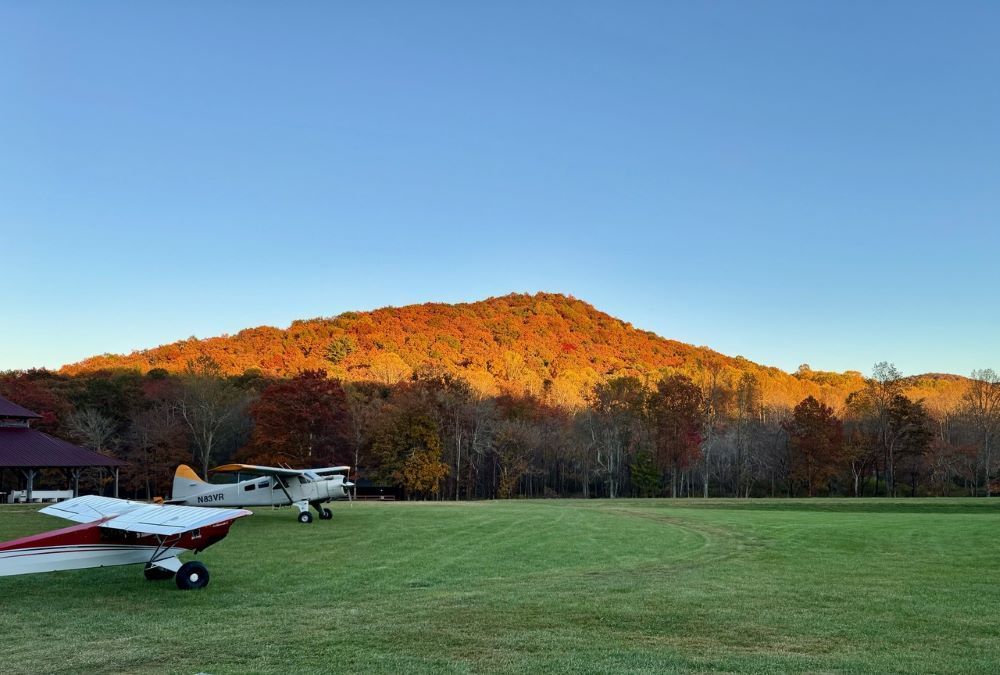
Now he and his fiancée have settled back east near Lexington, Kentucky, where they turned another large parcel of land into something pretty – an airfield surrounded by the neighbor’s thousand-acre horse farm, and a vineyard. They like to fly low and slow over the bluegrass country, and look at horse farms. “There must be a hundred thousand miles of white rail fencing around Lexington,” he notes. “It’s a different kind of beauty.”
Robert wants to help the RAF expand flying destinations in Kentucky and West Virginia for its abundant hiking, whitewater sports, and climbing opportunities. Now recreational flying in this scenic and historic part of the country is becoming another attraction for visitors.
Submitted March 13, 2025
By Carmine Mowbray
Posted in Featured Supporters
Recent Posts