RAF GRANT HELPS SAVE ISLE AIRPORT
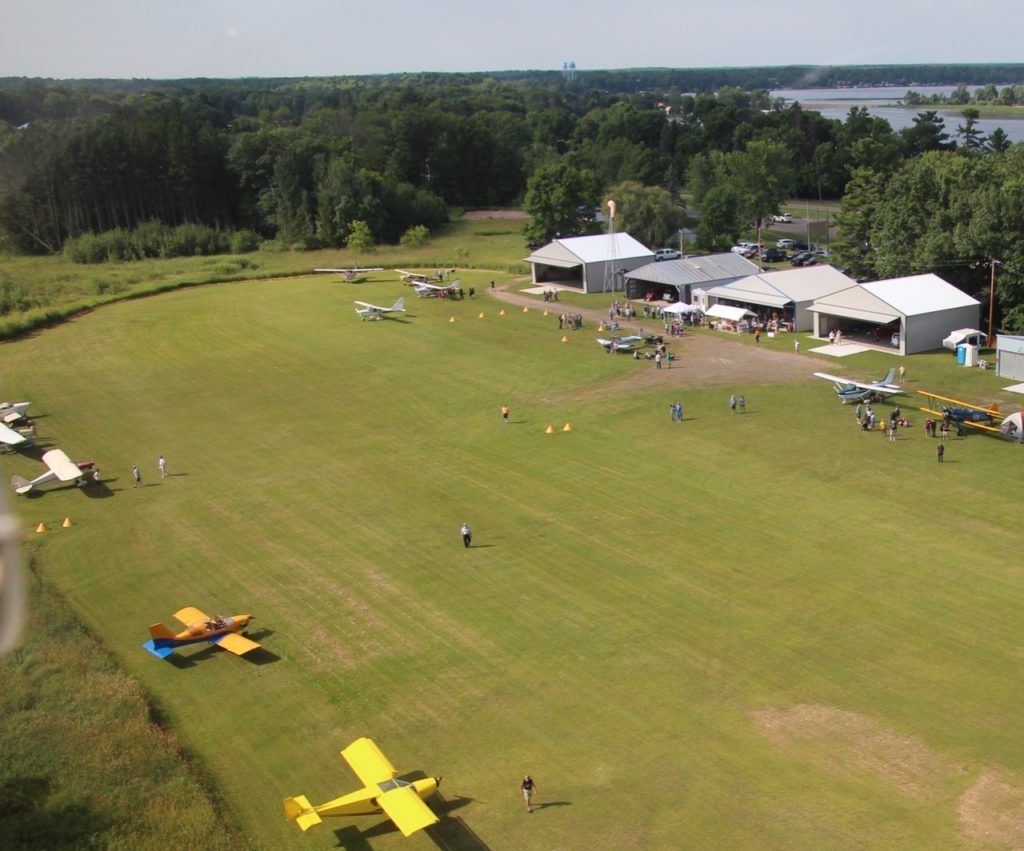
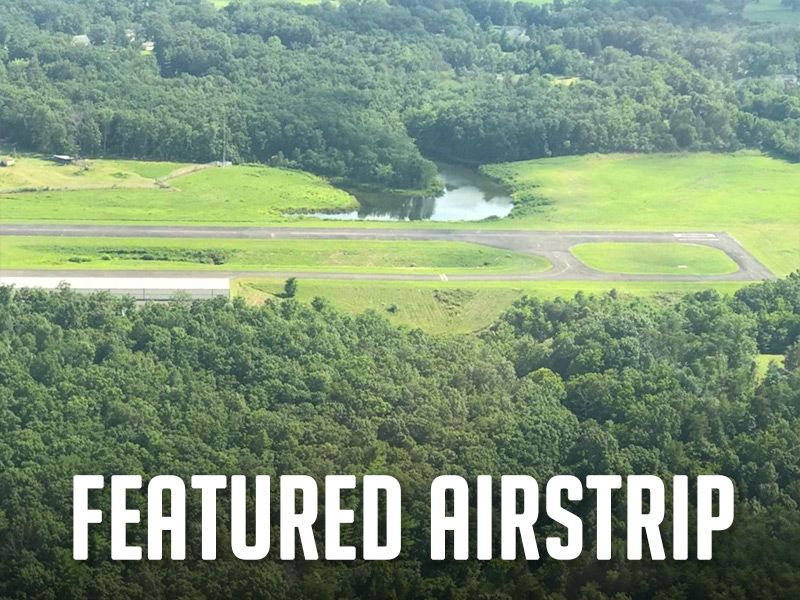
The RAF has granted $14,000 toward the preservation of Minnesota’s Isle Airport, (MY72). Minnesota Liaison Kirk Hiner and RAF Director Emeritus Peter Burwell met with Isle Airport management to agree on cost sharing a project to remove encroaching trees that were threatening to close the airport. In June, the RAF reported that the city council voted to keep the Isle airport open, in response to the positive input resulting from the RAF’s Call To Action. This tree-removal project will ensure that the airport survives to serve the community and region around Isle.

Over the past few decades, trees beyond the south end of the runway presented a major hazard to aviation and a decision last year by the State of Minnesota to close the airport. After extensive negotiations with the city, the Isle Airport Association agreed to pay for professional tree removal. In spite of IAA’s best efforts to raise the money, there was a shortfall, and the RAF grant will cover that portion.

In return for the grant, the IAA is giving all RAF members a pass to land at Isle, without having to request prior permission.

Isle Airport is a well-maintained turf airport and has many recreational attributes. Visitors can enjoy underwing camping, access to two airport cars and several bicycles for transportation to the many fishing resorts, restaurants, and other attractions of this central Minnesota lakes region. 

Tree removal must be done after the ground freezes, and is expected to be completed by year-end.

“This is a great airport that the RAF was able to participate in saving, and will remain open for years to come,” Burwell said. “Fishing on Lake Mille Lacs might be in the future for some RAF members,” Hiner added.

Submitted November 19, 2020


Posted in News

Recent Posts
By Kodi Myhre December 23, 2025
At about this time, every year, we have this conversation at the RAF about what our year end letter (code for asking for your financial support) should say to you, and about the RAF and the accomplishments of the past year.
By Taylin Trafton December 23, 2025
Our many RAF supporters have such vast and varied experience, and we’re capturing some of their words of wisdom to share with you. This guest editorial is by Stef Goza, a pilot and an RAF Alaska liaison.
By lellington December 21, 2025
Bill credits aviation for much of his success in business and the ability to serve his companies and family. What began in a Champ, and a Tri-Pacer owned by five people, turned into what Bill calls, “a key business tool” in which he accumulated 9,000 hours – in a Cheyenne, a Pilatus, and a TBM, where ninety-five percent of his flying was for business. “My retirement enabled me to recall ‘Why I Learned to Fly’, a slogan from an old RAF video.” Bill’s son, Patrick, purchased the C185 they now share. “While attending a business function, some associates arrived in corporate jets. As they joined up on the tarmac, the jet pilots gathered around Patrick’s 185, and one of the passengers asked, ‘What’s special about this?’ No explanation needed for this RAF audience,” Bill says. “My involvement in the RAF is, in a partial way, repaying the rewards aviation has endowed me with. Having been involved in many worthwhile nonprofits, this is one where financial support is only part of the picture. Physically participating in great projects that have a lasting effect, with good people, returns a great personal benefit,” he says. “My only regret is that I wasn’t there at the start.” Bill and his wife Jane are privileged to be able to split time between their long-time home in eastern Nebraska and Scottsdale, Arizona. While still serving on several boards, he enjoys golf “about every third shot,” biking, cars, and reading, but always looks forward to the time he can be involved in the RAF. “It’s flying with a purpose,” he adds. Bill can be reached at bdugan@theraf.org
December 15, 2025
AR Ambassador
By Taylin Trafton December 11, 2025
A Christmas gift of flight lessons from his parents started Scott Anttila’s aviation journey in 1985. “I learned at Johnson Field, a small grass strip tucked into the woods in Michigan’s Upper Peninsula, and that early exposure to simple backcountry flying stuck with me,” Scott says. Growing up in the U.P., he spent a lot of time outdoors and found that flying was another way to get to the places he liked to explore—especially the ones most people never saw. As he earned more ratings and eventually moved to the Detroit area for work, Scott realized he needed a way to stay connected to northern Michigan. He bought an airplane and used it to get back to the smaller airstrips and lake country he enjoyed. Along the way, he also flew gliders out of Frankfort, soaring along the Sleeping Bear Dunes and towing sailplanes over the Great Lakes. “Those flights gave me a different appreciation for the landscape and made me even more interested in the small, out-of-the-way airports scattered around the state,” he says. Visiting those kinds of places, Scott first came across the Recreational Aviation Foundation. He started using RAF-supported airstrips both inside and outside Michigan. “I noticed how well-kept they were and how much access they opened up,” he says, adding, ”Over the years, I’ve watched a number of grass strips close, which made the RAF’s mission feel especially important to me. Maintaining these airstrips keeps aviation connected to the outdoors and makes it possible for more people to reach the quiet, remote areas that inspired me to fly in the first place.” Scott joins the other two RAF Michigan Liaisons, General Grant and Tanmoy Ganguly. He can be reached at santtila@theraf.org . Submitted December 11, 2025.