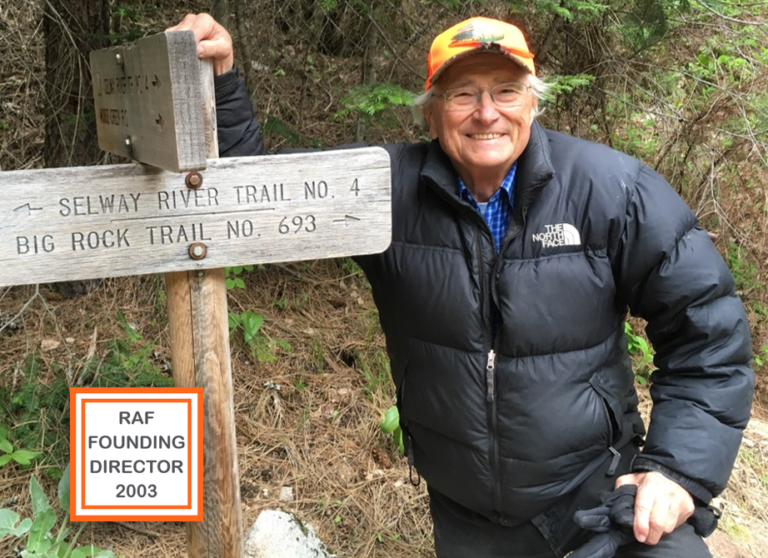
Jerry Cain

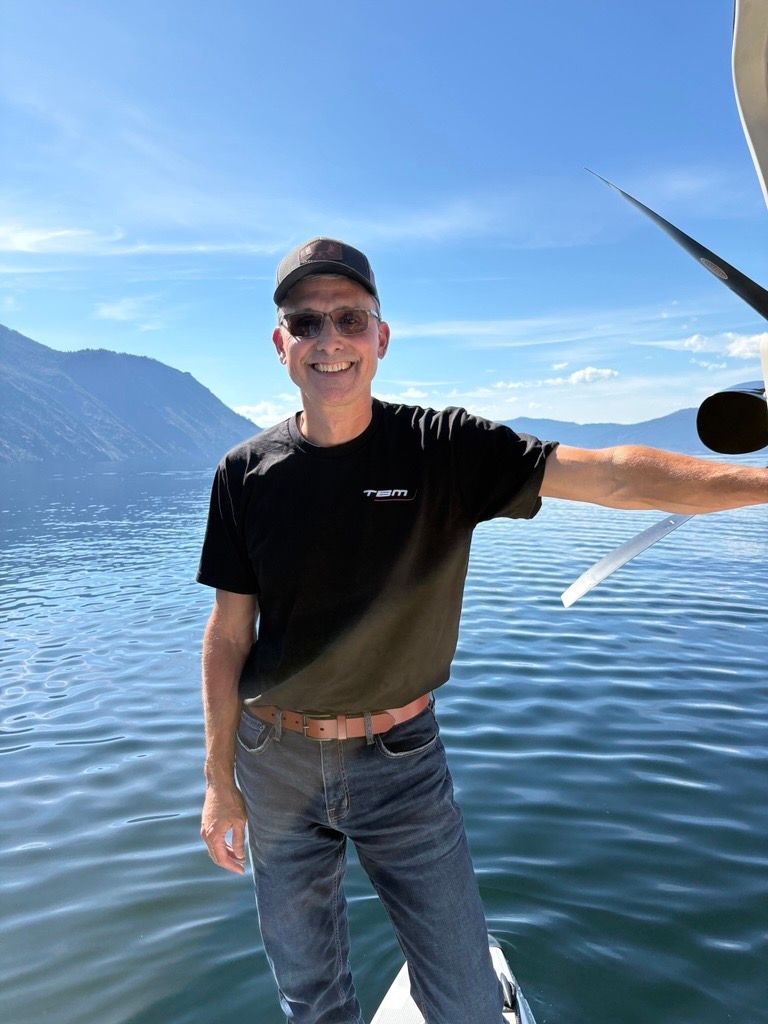
“When I raised my hand at a Montana Pilots Association’s Directors retreat in Bozeman in September of 2003, I had no idea what I was getting myself into,” Jerome “Jerry” Cain says of his role in the eventual formation of the RAF.


Jerry, as one of the original six Founders, tapped his Defense Department Federal Executive experience and lost no time completing the application for the RAF’s official Montana State and federal 501(c)(3) nonprofit public charity status. By December 2003, the RAF had the credentials to solicit tax-deductible donations. “Jerry was one of those who stepped up and said, “I got this,” and his knowledge and follow-through were invaluable, laying the groundwork for success,” RAF Chairman John McKenna says. Jerry then volunteered to take on the vital task of Secretary/Treasurer on the RAF board.

During fundraising efforts for backcountry airstrips, Jerry and his wife Liz, both animal lovers, donated dog sled rides around their Lincoln, Montana home. “By the end of 2004, we had about $15,000 in the bank and a roster of several hundred,” Jerry recalls. By the time he retired from that role eight years later, RAF membership had grown to several thousand, from all fifty states and about a dozen foreign countries. “I was spending ten to fourteen hours almost every day trying to keep up with it,” he adds. “It’s extremely satisfying to observe how the RAF is progressing and growing.”

Jerry and Liz purchased their retirement ranch a few miles west of Lincoln in 1990 and are devoted to their horses. Liz is a published authorwww.elizabethcainauthor.com, and is passionate about poetry, music, and horses. She campaigned by horseback around her Montana House District during her two runs for State Representative. 


The Cain’s ranch purchase included a hangar at the Lincoln Airport, S69. This motivated Jerry to earn his pilot license in 1993. Having recently sold his Cessna 182, Jerry still keeps his Husky in his hangar there, and

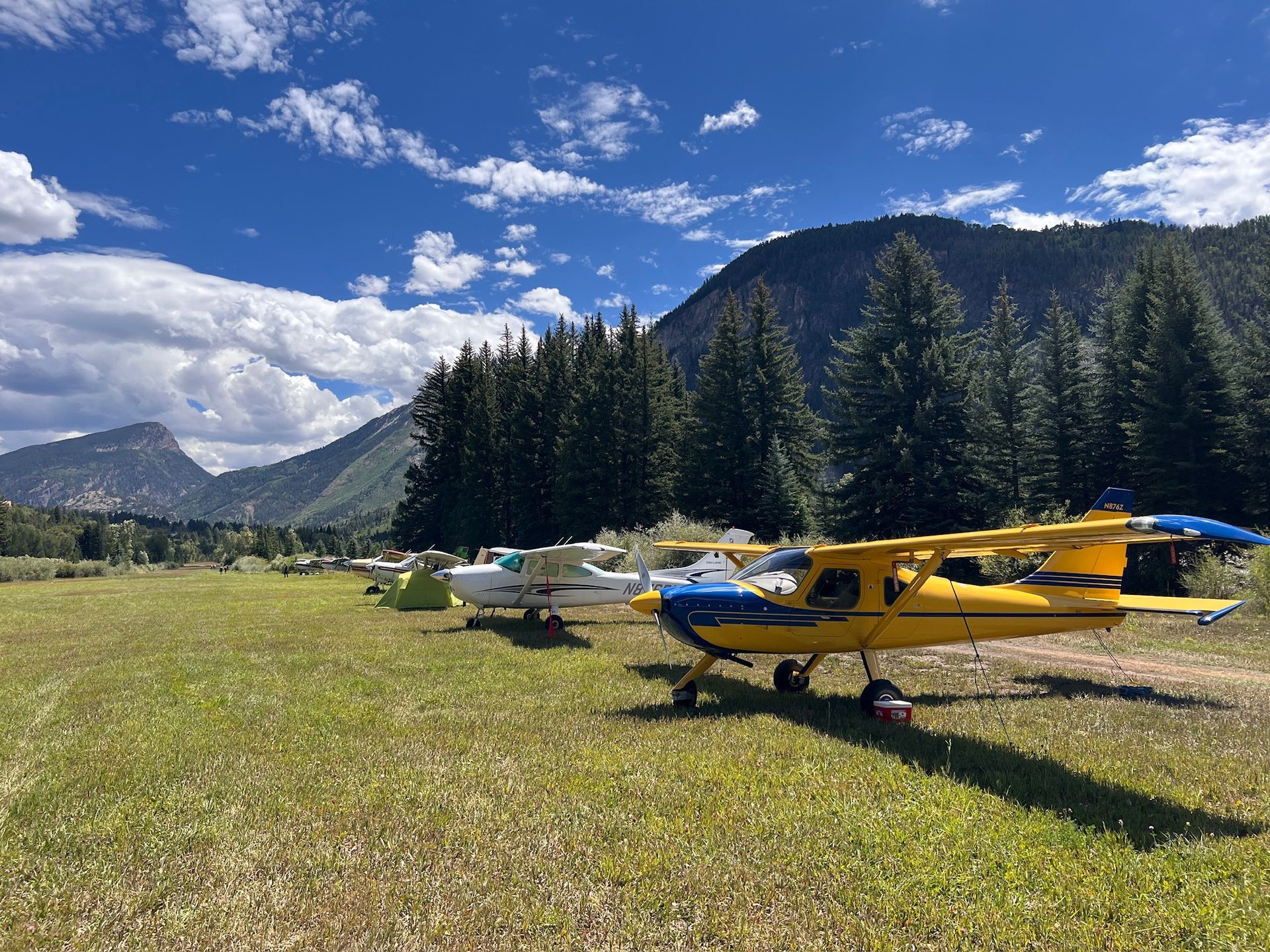
organizes an annual barbecue potluck in July for the local and flying community. Fly-in visitors are invited to camp in the adjacent campground along the Blackfoot River, and hike or bicycle the short distance into town and tour the unique “Blackfoot Pathways Sculpture In The Wild.” Montana Aeronautics Director Tim Conway says, “Although much of the [airport] funding is provided by the FAA and Montana Aeronautics Division, most of the labor is provided by a network of local volunteers, headed up by Jerry. The volunteers play an important role as the airport’s eyes and ears to maintain its safety and usability.” In 2019, Jerry formed the Lincoln Airport Foundation (LAF) as a 501(c)(3) public charity to formally assist the state in the maintenance and improvement of Lincoln Airport. Since then, the airport has remained open year round. Snow storms may close it – only until the volunteers immediately take on plowing to re-open it.


Jerry serves as a volunteer pilot for Pilots N Paws, flying shelter dogs to their new homes. Since 2017, he has personally taken on the task of coordinating rescue flights throughout the northwest (WA, OR, ID, MT, and WY) to and from all over the country, successfully completing transports five to six times each month. He recommends that pilots register with PNPwww.pilotsnpaws.org.

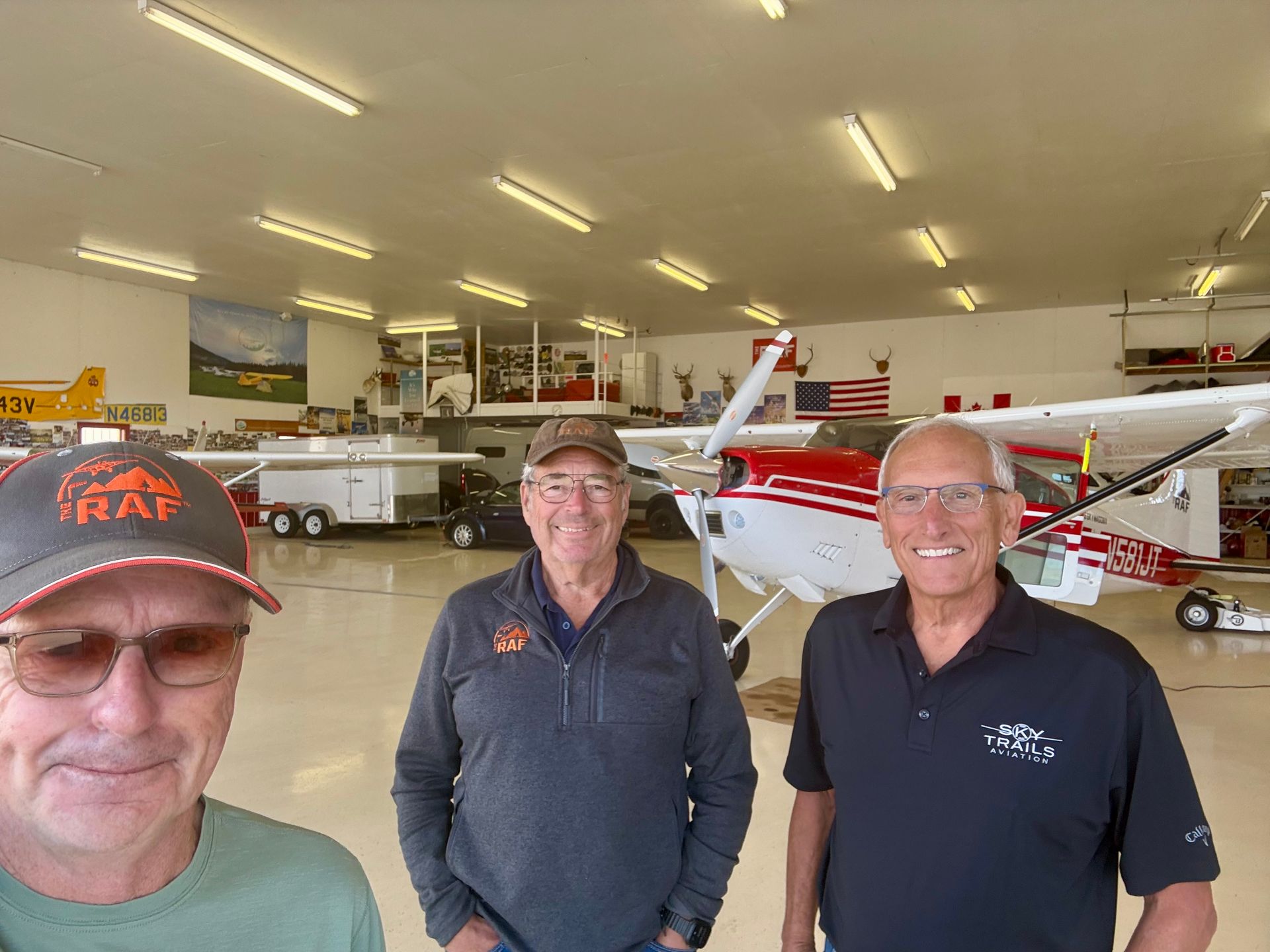
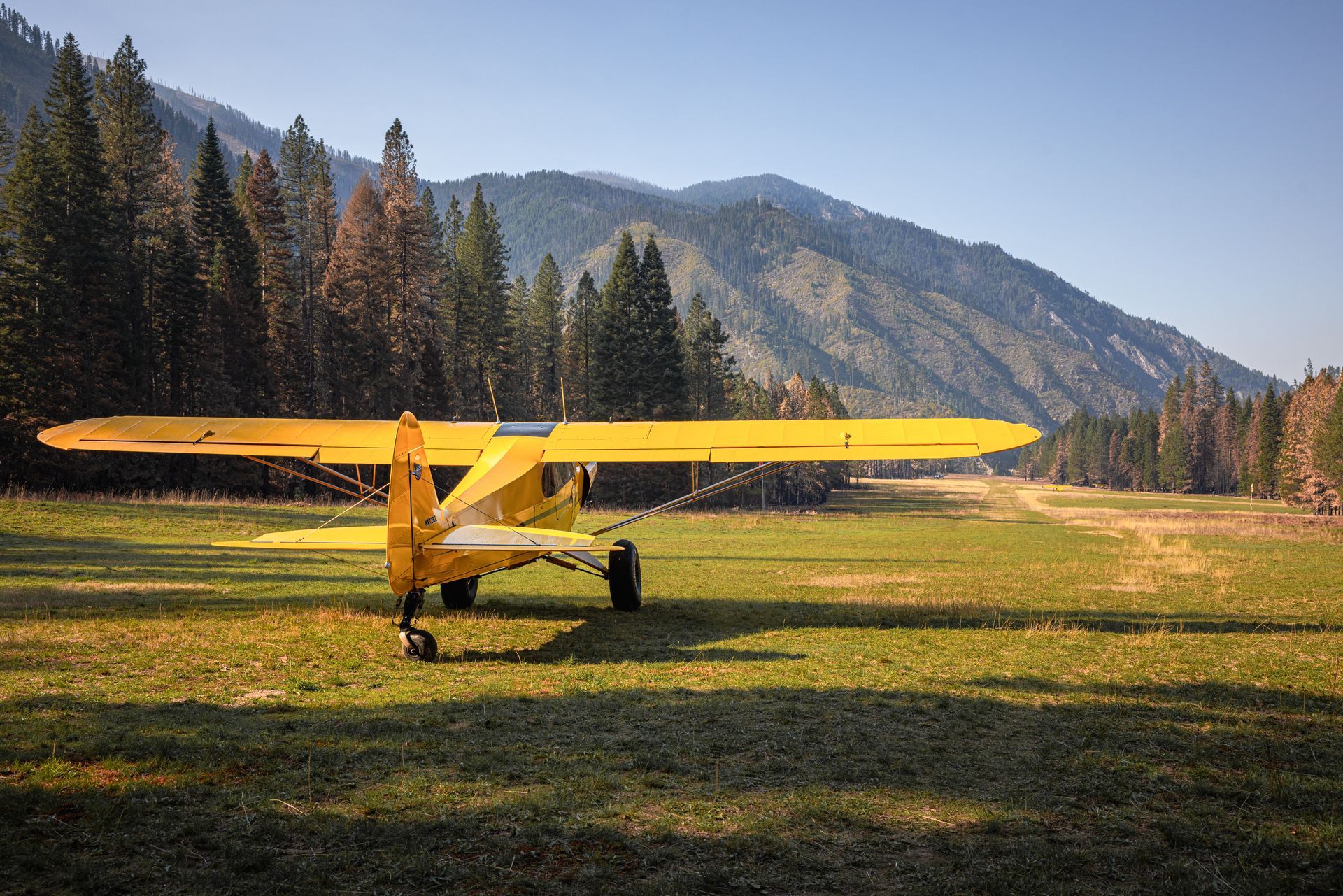
Jerry still loves backcountry flying in his Husky, and as RAF Director Emeritus, Jerry monitors RAF activities. “I could not be more proud of the RAF’s accomplishments, the Directors, and all the other volunteers who make this all possible through their generous support of both their time and their dollars. The RAF is now nationally recognized as the ‘go to’ organization for anything related to recreational and backcountry airstrips.”


Submitted on August 10, 2023.

By Carmine Mowbray


Recent Posts

By Kodi Myhre December 23, 2025
At about this time, every year, we have this conversation at the RAF about what our year end letter (code for asking for your financial support) should say to you, and about the RAF and the accomplishments of the past year.
By Taylin Trafton December 23, 2025
Our many RAF supporters have such vast and varied experience, and we’re capturing some of their words of wisdom to share with you. This guest editorial is by Stef Goza, a pilot and an RAF Alaska liaison.
By lellington December 21, 2025
Bill credits aviation for much of his success in business and the ability to serve his companies and family. What began in a Champ, and a Tri-Pacer owned by five people, turned into what Bill calls, “a key business tool” in which he accumulated 9,000 hours – in a Cheyenne, a Pilatus, and a TBM, where ninety-five percent of his flying was for business. “My retirement enabled me to recall ‘Why I Learned to Fly’, a slogan from an old RAF video.” Bill’s son, Patrick, purchased the C185 they now share. “While attending a business function, some associates arrived in corporate jets. As they joined up on the tarmac, the jet pilots gathered around Patrick’s 185, and one of the passengers asked, ‘What’s special about this?’ No explanation needed for this RAF audience,” Bill says. “My involvement in the RAF is, in a partial way, repaying the rewards aviation has endowed me with. Having been involved in many worthwhile nonprofits, this is one where financial support is only part of the picture. Physically participating in great projects that have a lasting effect, with good people, returns a great personal benefit,” he says. “My only regret is that I wasn’t there at the start.” Bill and his wife Jane are privileged to be able to split time between their long-time home in eastern Nebraska and Scottsdale, Arizona. While still serving on several boards, he enjoys golf “about every third shot,” biking, cars, and reading, but always looks forward to the time he can be involved in the RAF. “It’s flying with a purpose,” he adds. Bill can be reached at bdugan@theraf.org
December 15, 2025
AR Ambassador
By Taylin Trafton December 11, 2025
A Christmas gift of flight lessons from his parents started Scott Anttila’s aviation journey in 1985. “I learned at Johnson Field, a small grass strip tucked into the woods in Michigan’s Upper Peninsula, and that early exposure to simple backcountry flying stuck with me,” Scott says. Growing up in the U.P., he spent a lot of time outdoors and found that flying was another way to get to the places he liked to explore—especially the ones most people never saw. As he earned more ratings and eventually moved to the Detroit area for work, Scott realized he needed a way to stay connected to northern Michigan. He bought an airplane and used it to get back to the smaller airstrips and lake country he enjoyed. Along the way, he also flew gliders out of Frankfort, soaring along the Sleeping Bear Dunes and towing sailplanes over the Great Lakes. “Those flights gave me a different appreciation for the landscape and made me even more interested in the small, out-of-the-way airports scattered around the state,” he says. Visiting those kinds of places, Scott first came across the Recreational Aviation Foundation. He started using RAF-supported airstrips both inside and outside Michigan. “I noticed how well-kept they were and how much access they opened up,” he says, adding, ”Over the years, I’ve watched a number of grass strips close, which made the RAF’s mission feel especially important to me. Maintaining these airstrips keeps aviation connected to the outdoors and makes it possible for more people to reach the quiet, remote areas that inspired me to fly in the first place.” Scott joins the other two RAF Michigan Liaisons, General Grant and Tanmoy Ganguly. He can be reached at santtila@theraf.org . Submitted December 11, 2025.